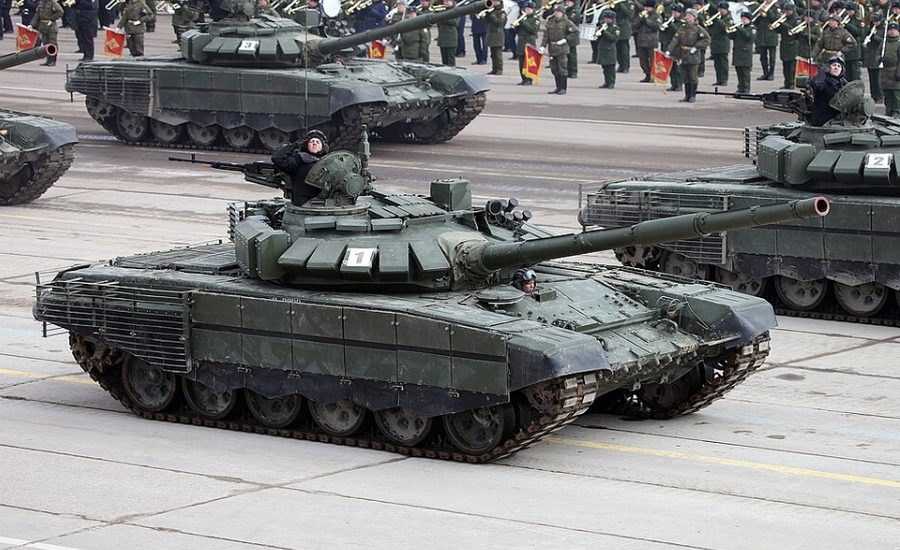
New Delhi: India’s push for defence self-reliance has taken a major step forward with the AVNL indigenous engine family project. Armoured Vehicles Nigam Limited (AVNL) is planning to develop a complete range of engines from 400 HP to 1500 HP for tanks and infantry vehicles. This move aims to reduce dependence on foreign suppliers and strengthen India’s military capabilities under the Aatmanirbhar Bharat initiative. The new engines will power both upgraded legacy platforms and next-generation combat vehicles, improving speed, mobility, and battlefield performance. What is AVNL Indigenous Engine Plan AVNL, a state-owned defence company formed after restructuring the Ordnance Factory Board, is working on a multi-tier engine ecosystem for different categories of armoured vehicles. Power range: 400 HP to 1500 HP Purpose: Upgrade old fleets + power future combat platforms Goal: Full indigenisation of critical engine technology Read also: How India Quietly Ended Its Dependence on Russian Tank Engines: Inside AVNL’s 100% Localisation Milestone This project is seen as a key step in making India self-sufficient in defence manufacturing. Boost for Infantry and Light Armoured Vehicles 400 HP Engine for BMP-II Upgrade Designed to replace older 300 HP Russian engines Will improve acceleration and mobility Better performance in high-altitude and desert regions India operates a large fleet of BMP-II “Sarath” vehicles, and this upgrade will significantly enhance their operational capability. 600 HP Engine for Wheeled Armoured Vehicles Targeted for 8×8 wheeled platforms Enables carrying heavier weapons and armour Improves speed and rapid deployment capability Wheeled vehicles are increasingly preferred due to lower maintenance and faster movement in modern warfare. Powering India’s Heavy Tanks 1350 HP Engine for T-90 Tanks Designed for upgraded versions like T-90 MkIII Enhances agility and battlefield manoeuvrability This will help keep India’s frontline tank fleet competitive in future combat scenarios. 1500 HP Engine for Next-Gen Tanks Intended for future main battle tanks (MBTs) Will support platforms like upgraded Arjun tanks and upcoming NGMBT Required to handle heavier armour and advanced electronics Modern tanks are becoming heavier, making high-power engines essential for maintaining speed and combat efficiency. AVNL Indigenous Engine Plan: Key Challenges Developing such high-performance military engines is complex. Key challenges include: Advanced metallurgy for durability Efficient cooling systems for extreme conditions Precision manufacturing standards Rigorous testing in harsh climates (deserts, mountains, cold regions) AVNL Indigenous Engine Plan: Future Technology Integration AVNL is also exploring hydrogen-powered engines, which could: Reduce heat and noise signatures Improve stealth against thermal sensors Offer a cleaner and sustainable energy solution This could be a game-changer for future armoured warfare. Strategic Importance for India This initiative will: Reduce dependence on Russian and Western engine imports Strengthen domestic defence manufacturing Support future projects like FRCV and FICV Boost India’s position as a global defence exporter It aligns with India’s long-term goal of becoming a defence manufacturing hub. Read also: Shaurya NG Missile Trial: Features, Speed, Range, and Strategic Importance Explained