“Doctrine is the last refuge of the unthinking.”
General J.F.C. Fuller’s warning was not about rejecting doctrine but about failing to adapt it. In modern warfare, that failure can be fatal.
Over the past two decades, militaries across the world have acquired precision weapons at a rapid pace. Missiles are smarter. Drones are cheaper. Sensors are everywhere. Yet history reminds us of an uncomfortable truth; technology without doctrine is like trying exploit the mirage in the desert, not advantage.
The real question confronting India today is not whether it possesses precision capabilities. It does. The harder question is whether India’s war doctrine has evolved fast enough to exploit precision warfare fully, coherently, and jointly.
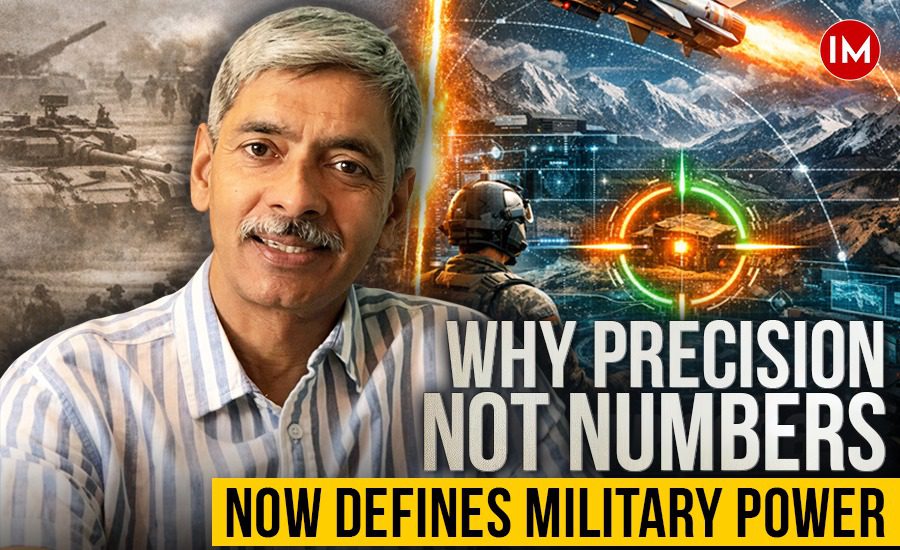
Precision warfare is not a tactical upgrade. It is a doctrinal disruption.
Traditional doctrines were built around mass, sequential planning, and hierarchical control. Precision warfare operates on systemic dislocation. It demands integration across domains, compressed decision cycles, and decentralised execution guided by clear strategic intent. Firepower no longer compensates for doctrinal rigidity.
The ongoing Russia–Ukraine war exposed this gap why the advantage was lost.
Russia entered the conflict with formidable inventories and numerical depth. What it lacked was doctrinal alignment with precision warfare. Massed artillery and armour were deployed without sufficient protection from precision-guided strikes, drones, and real-time intelligence. Logistics hubs, command posts, and bridges became high-value targets. The result was operational paralysis despite numerical strength.
Ukraine, with fewer resources, compensated through better intelligence fusion, decentralised decision-making, and selective precision strikes. It did not seek battlefield saturation. It sought systemic disruption. Doctrine, not numbers, shaped outcomes.
The Israel–Hamas conflict presents a different but equally instructive lesson.
Israel’s military doctrine places precision at the core of operational planning driven by intelligence dominance, rapid targeting cycles, and tightly controlled escalation. Precision strikes are integrated not only with battlefield objectives, but with political and narrative considerations. Yet even here, the limits of employment of precision doctrine are visible. Urban density, civilian presence, and asymmetric adversaries expose the ethical and strategic strains of precision warfare.
The lesson is clear- precision doctrine must evolve continuously, not remain static.
The United States offers perhaps the most mature example of precision warfare doctrine. Since the Gulf War, American military thinking has centred on network-centric warfare, joint integration, and rapid decision dominance. Precision strikes against Iranian-linked nuclear and strategic facilities reflect this doctrinal maturity where force applied selectively, effects calibrated, escalation consciously managed.
However, even the U.S. experience underscores a cautionary note. Doctrine must evolve faster than adversaries adapt. Precision dominance erodes quickly if processes become predictable or over-centralised. No doctrine can claim superiority.
Where does India stand in this landscape?
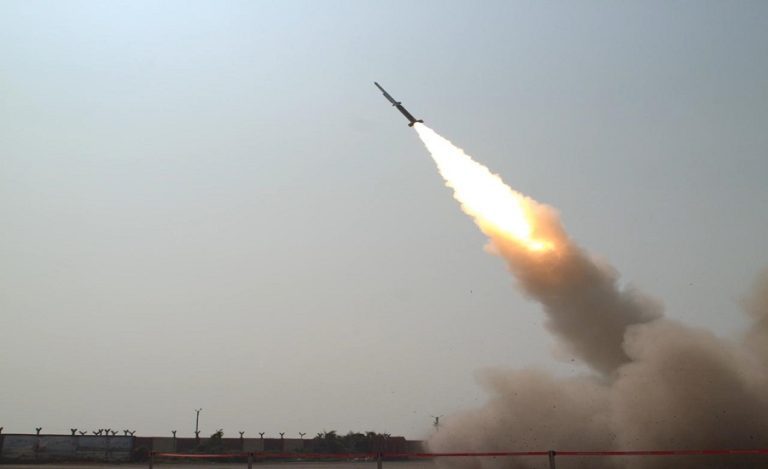
India’s doctrinal evolution has been steady but cautious. Concepts such as proactive operations, theatre commands, integrated battle groups – Rudra, Bhairav, Shaktibaan, and Divyastra brigade/ battalion/battery reflect the nature of changing warfare. Indigenous precision systems missiles, rockets, drones, and surveillance platforms have significantly expanded capability.
Yet doctrine are more than intent documents and structural reforms. It is about how decisions are made under pressure.
Precision warfare demands jointness by design, not coordination by exception. Sensors must speak seamlessly to shooters. Cyber and space must support kinetic operations as standard practice. Command authority must be decentralised enough to exploit fleeting targets, yet disciplined enough to prevent escalation missteps.
This is where doctrinal readiness is tested.
India’s strategic environment presently is unforgiving. Pakistan’s internal instability, persistent sub-conventional provocations, and nuclear overhang demand precision and restraint in equal measure. China’s rapid military modernisation and doctrine-driven integration of precision strike capabilities raise the bar for preparedness. Regional instability in Myanmar, political flux in Nepal and Bangladesh, and volatility in Iran widen the arc of uncertainty around India’s periphery.
In the prevailing environment, mass-based doctrines become dangerous and outdated.
Precision warfare also imposes a tremendous onus on leadership. It requires trust in junior commanders who are to operate missions in data-rich, time-compressed environments, and clarity of intent. As the old military adage goes, “Mission command” works only when commanders trust their subordinates and subordinates understand the mission”
Doctrine must institutionalize this trust.
India’s aspiration to be a regional superpower and a stabilising force in the Global South depends not on numerical superiority, but on doctrinal credibility. Precision doctrine offers political utility. It allows deterrence without provocation, communicating without escalation, and action without strategic overreach.
Operations like Operation Sindoor have shown glimpses of this maturity with intelligence-led targeting, controlled execution, and disciplined restraint. However, isolated successes need to be translated into institutionalised doctrine.
The risk lies in complacency for precision warfare will expose gaps in integration of processes and its final execution and penalise delay.
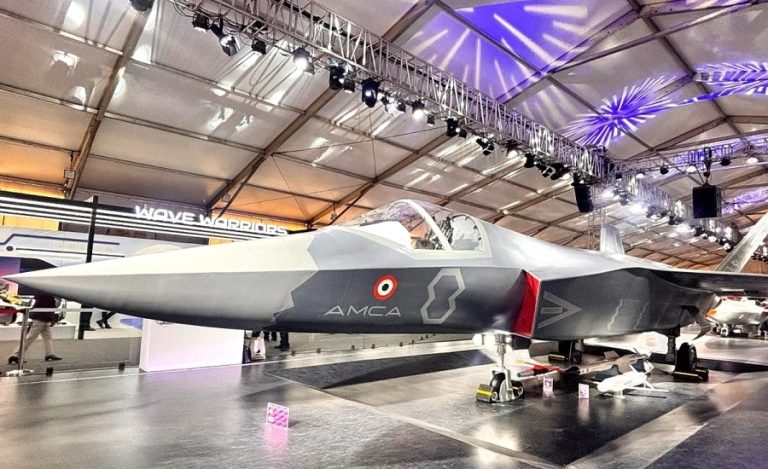
For India, doctrinal adaptation must move from concept to cockpit.
This implies faster integration of theatre-level thinking, cadence in joint training, real-time intelligence fusion, and decision frameworks with periodic doctrinal audits to challenge existing assumptions and discard them as the doctrine evolves.
India has the capability. It has the experience. What remains is doctrinal acceleration.
Finally, future wars will not offer learning time.
As Clausewitz warned, “Everything in war is simple, but the simplest thing is difficult.”
In the next war, precision will not wait for doctrine to catch up and history will rarely forgive those who arrive unprepared.