Every day, millions pass through India’s railway stations. Amid the noise of announcements, the rush to board trains, and the swirl of luggage and vendors, children slip through unnoticed. Some are lost. Some have run away. Others are being quietly transported by traffickers who promise jobs, safety or marriage.
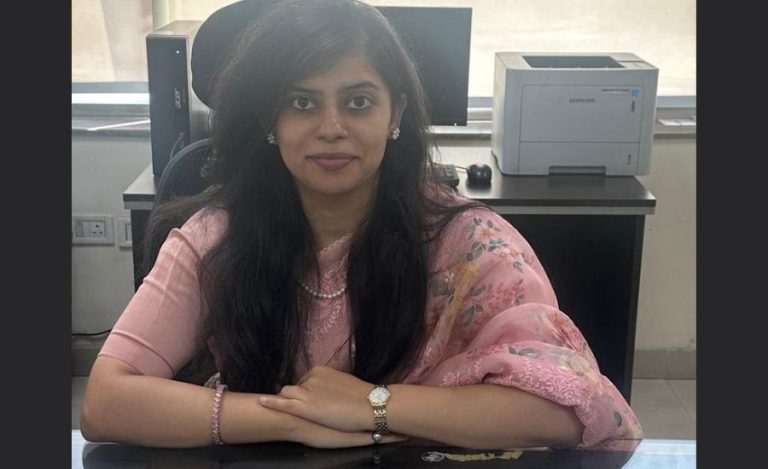
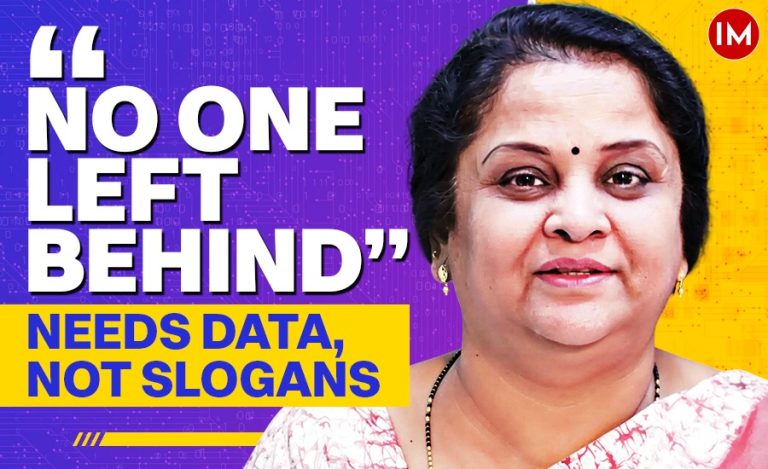
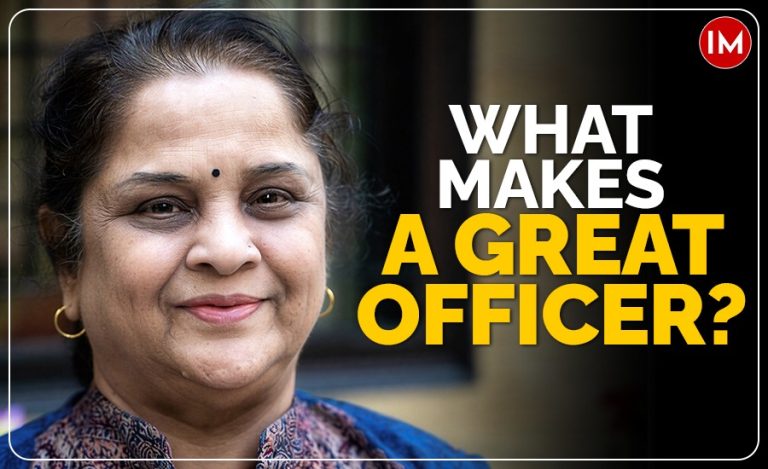
For Inspector Chandana Sinha of the Railway Protection Force (RPF), these children are never just numbers. Over the past three years, she has led the rescue of more than 1,500 children across Uttar Pradesh’s railway network. In 2024 and 2025 alone, her division recorded hundreds of interventions involving missing minors, runaways and trafficking victims.
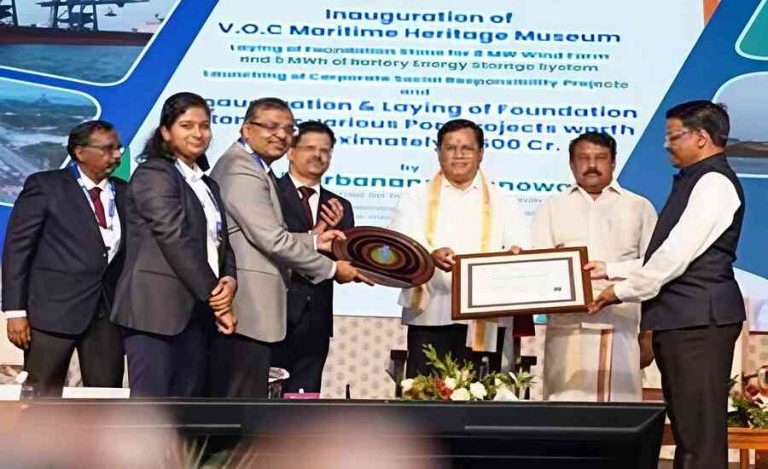
For her contribution, she received Indian Railways’ prestigious Ati Vishisht Rail Seva Puraskar earlier this year. But hours after the ceremony in Delhi, she was back in Lucknow. A child had been spotted alone on a platform. Duty resumed immediately.
TURNING RAILWAY PLATFORMS INTO RESCUE POINTS
Ms Sinha is posted in Lucknow and has led operations from the busy Charbagh railway station. While the RPF’s traditional role focuses on railway property and passenger safety, child protection has increasingly become part of its daily work.
Under initiatives like Operation Nanhe Farishte and anti-human trafficking drives, RPF teams are trained to identify vulnerable children before they disappear into unsafe situations.
Unlike dramatic rescue scenes shown in films, most real-life interventions begin quietly. There is rarely a dramatic chase. Instead, it starts with observation.
- A teenager sitting alone with a school bag.
- A child clutching a small packet of biscuits, looking confused.
- An adult standing slightly away from a minor, pretending not to know them.
“These situations don’t announce themselves,” Ms Sinha has said in interactions. “You have to notice what doesn’t fit.”
Her team studies body language, clothing, behaviour patterns and travel routes. Traffickers often maintain distance from the child, using intermediaries so the main handler stays protected. Runaways typically carry very little money and appear disoriented after spending hours wandering the station.
It takes patience. Sometimes officers spend 30 minutes. Sometimes three hours. Children may repeat rehearsed stories or refuse to speak. Trust has to be built slowly.
THE NUMBERS BEHIND THE WORK
In 2024 alone, her team intercepted 494 children. Among them were 41 minors suspected to be trafficked for labour. Of those rescues, 152 were directly handled by Ms Sinha herself.
By 2025, the number of children rescued by her unit crossed 1,000 for that year. These included girls as young as six and teenagers lured by false job offers or online relationships.
Each child is handed over following proper procedure — produced before the Child Welfare Committee (CWC), counselled, and either reunited with family or placed in shelter homes if returning home is unsafe.
While statistics help measure performance, Ms Sinha insists that every case carries its own emotional weight. Behind every rescue is a story of conflict, pressure, poverty, online manipulation or family breakdown.
A SYSTEM BUILT FROM EXPERIENCE
Ms Sinha did not inherit a ready-made model. Over time, she developed a structured method that now guides her team’s approach.
It includes:
* Officers trained specifically to identify vulnerable minors.
* A network of informers and station staff who quietly alert RPF.
* Coordination with NGOs and child protection units.
* Clear documentation so cases don’t end once the train departs.
Her approach sharpened during a short posting at New Delhi Railway Station in 2022. During the rush of the Chhath Puja season, a woman and her three-year-old son were reported missing in the crowd. After two hours of searching through packed platforms, Ms Sinha found them sitting unnoticed on a bench.
That incident changed how she scanned crowds. She began looking beyond movement — focusing on stillness, hesitation and isolation.
Soon after, she was assigned to lead Operation Nanhe Farishte in her division. Her team, many of them women officers, began intercepting children travelling along known trafficking routes between Bihar, Punjab and Haryana.
THE HUMAN STORIES BEHIND THE RESCUES
One case involved a Class 10 student who left home instead of attending school. She was spotted at the station with her school bag. Initially confident and dismissive, she claimed she was travelling for studies. But after sustained questioning, she broke down.
The deeper truth involved online grooming. A man had convinced her that he would rescue her from family problems and build a future with her. He provided train details and instructions.
Another case involved a teenage girl who had been communicating online for a year with a married man nearly twice her age. She travelled alone to meet him, convinced he would leave his family for her. When intercepted, she defended him.
“These are not criminals,” Ms Sinha has explained about many of the children. “They are vulnerable.”
Trafficking cases are equally complex. Often, distant relatives or acquaintances pose as guardians. When questioned, they produce identification documents and claim family ties. Verification requires careful scrutiny.
In one instance, two siblings were travelling with a man who claimed to be their uncle. Further checks revealed he was transporting them for labour under false promises. Intervention prevented what could have been long-term exploitation.
WORKING WITH CHILD PROTECTION AGENCIES
Once a child is rescued, the process moves beyond the railway station. Coordination with Childline services, the Child Welfare Committee, and local police ensures that proper legal steps are followed.
If parents are located nearby, reunification can happen within 24 hours. In other cases, children are temporarily placed in shelter homes where they receive counselling and education.
Reintegration is not always straightforward. Some children flee due to abuse, domestic conflict or financial stress. Sending them home without evaluation can worsen their situation. In such cases, the Child Welfare Committee determines the best course of action.
Ms Sinha’s team documents each case carefully so that records remain accessible if future issues arise.
A CAREER INSPIRED BY TELEVISION
Born in Bilaspur, Chhattisgarh, Ms Sinha grew up watching the Doordarshan series Udaan, and its protagonist, IPS officer Kalyani, played by Kavita Chaudhary. The show left a strong impression on her as a child.
She joined the RPF in 2010 after years of preparation. Over the years, she has served in various roles, including postings at the Railway Board and training assignments.
Despite recognition, she prefers to avoid publicity. Colleagues describe her as focused and disciplined. Senior divisional security commissioner Devansh Shukla has credited her for creating a team culture based on presence rather than intimidation.
“She has built familiarity on platforms,” a colleague remarked. “Officers who know what to observe.”
BALANCING DUTY AND MOTHERHOOD
At 41, Chandana Sinha is also the mother of an 11-year-old daughter. She has often said that being a parent deepens her sensitivity to cases involving girls.
Many rescued minors are teenagers lured through social media or messaging apps. With growing smartphone access, online grooming has become a major factor in child vulnerability.
She believes awareness is crucial. Passengers, she says, can play a role by staying alert. If something seems unusual — a frightened child, a suspicious escort — citizens can contact railway helplines such as 139 or approach RPF personnel on duty.
BEYOND AWARDS
While the Ati Vishisht Rail Seva Puraskar is among Indian Railways’ highest service honours, Ms Sinha sees it as recognition of collective effort rather than personal achievement.
In her view, the real measure of success lies in whether a child reaches home safely — or finds a secure alternative when home is unsafe.
Railway stations will continue to be transit points. Trains will keep arriving and departing. But thanks to officers like Chandana Sinha and her team, thousands of children who might have vanished into anonymity have instead been given another chance.