In a groundbreaking move, the Pench Tiger Reserve in Maharashtra has become the first in India to deploy an advanced sonar system to combat illegal fishing activities in the Totladoh reservoir. This technological intervention marks a significant milestone in the ongoing efforts to preserve the delicate ecological balance of this tiger reserve, which straddles the border between Maharashtra and Madhya Pradesh.
In a conversation with Indian Masterminds, 2011-batch IFS officer Prabhu Nath Shukla of Maharashtra cadre shared about the initiative in detail.
The Challenge of Illegal Fishing
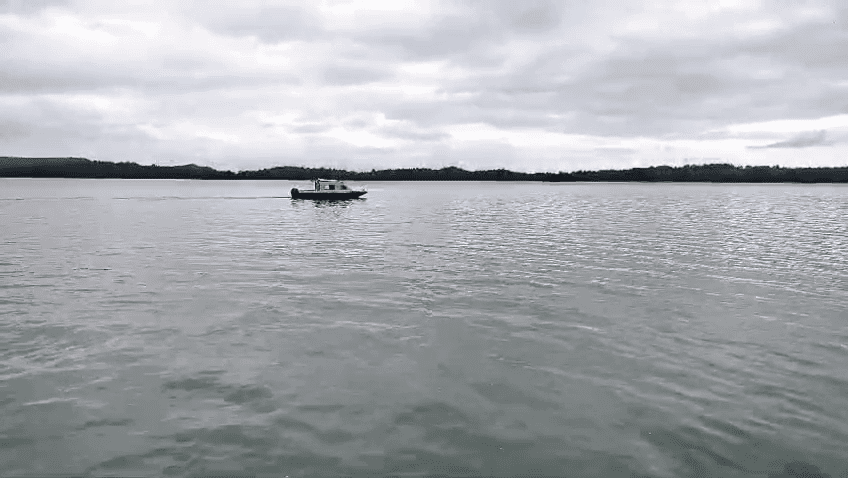
Totladoh Reservoir, a vital water body located within the core area of Pench Tiger Reserve, has long been a hotspot for illegal fishing. “The reservoir, which is shared between the Pench Tiger Reserve in Maharashtra and Madhya Pradesh, has witnessed frequent conflicts between the forest department and illegal fishermen over the past two decades,” Mr. Shukla informed. These fishermen have employed increasingly sophisticated tactics to evade detection, including hiding their boats under the water by weighing them down with stones.
Despite the deployment of the Special Tiger Protection Force (STPF), armed patrols, and even drones, the vast and challenging terrain of the reservoir has made it difficult to consistently monitor and apprehend these illegal fishing activities. Traditional surveillance methods often fall short, particularly in detecting submerged boats hidden beneath the surface of the water.
The Sonar System
In response to these challenges, Pench Tiger Reserve, under the leadership of Deputy Director Prabhu Nath Shukla, IFS, has introduced an advanced underwater detection system equipped with state-of-the-art sonar technology. This system, which is typically used in marine environments, has been adapted for use in the unique conditions of Totladoh Reservoir.
Sonar, or sound navigation and ranging, is a technique that uses sound waves to detect objects beneath the water’s surface. It is particularly effective in underwater environments because sound waves travel farther in water than radar or light waves. The sonar system deployed at Totladoh Reservoir utilizes the latest Compressed High Intensity Radiated Pulse (CHIRP) technology, which is capable of detecting objects lying flush on the lake bed. This technology offers a significant advantage over conventional sonar systems, which often struggle to identify submerged objects in shallow waters due to excessive signal scattering and interference from natural vegetation or the lake bed’s contours.
How the System Works
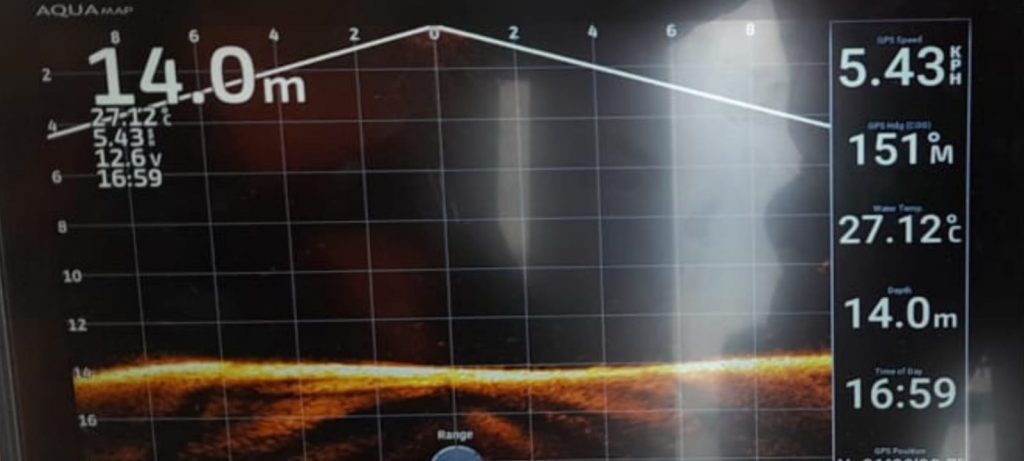
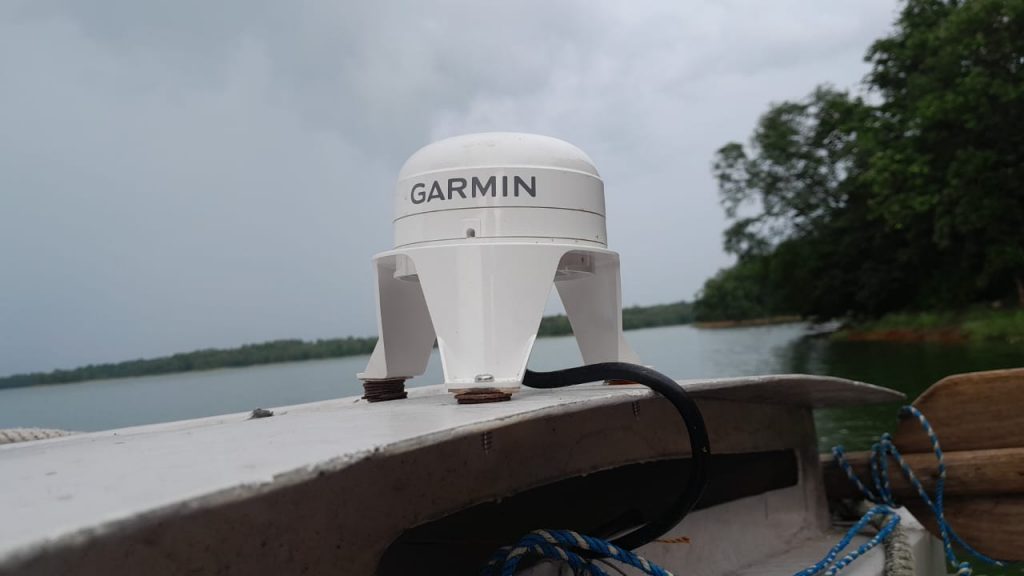
The advanced sonar system comprises a sophisticated transducer that emits sound waves and listens for echoes. This transducer is capable of forward-looking, side-scanning, and down-viewing, providing a comprehensive 360-degree view around the patrol boat. The sonar can detect objects up to 500 feet away, making it an invaluable tool for identifying hidden boats and other potential threats.
The sonar system is integrated with a high-definition display screen equipped with an integrated GPS system. This allows operators to accurately determine and mark the exact location of detected objects, enhancing the precision of patrol operations. The system is also portable, meaning it can be deployed on a patrol boat as needed and removed when not in use. This flexibility ensures that the forest department can respond quickly to emerging threats and adapt to changing conditions on the water.
The Impact of the Sonar System
Since its installation a month ago, the sonar system has already proven to be a game-changer for the forest department. According to Deputy Director Prabhu Nath Shukla, the system has significantly enhanced the department’s ability to detect and apprehend illegal fishermen, who often operate under the cover of darkness or in remote areas of the reservoir.
“Illegal fishing has been a persistent challenge in Totladoh Reservoir for the past 20 years. The area is so vast that it’s impossible to keep people there at all times. With the sonar system, we can now detect hidden boats and respond quickly to potential threats. This technology is fulfilling all our needs,” said Mr. Shukla.
One of the most significant advantages of the sonar system is its potential to deter illegal activities. Once fishermen become aware of the presence of such advanced technology, they may be less likely to hide their boats or engage in illegal fishing, knowing that they are more likely to be caught.
A New Era of Wildlife Protection
The deployment of the sonar system in Pench Tiger Reserve represents a pioneering step in the use of technology for wildlife conservation in India. By leveraging advanced sonar technology, the forest department is not only enhancing its ability to protect the reservoir’s fish populations but also contributing to the broader goal of preserving the region’s biodiversity.
“The success of this initiative could serve as a model for other tiger reserves and protected areas across the country, particularly those facing similar challenges with illegal fishing or other forms of poaching.” As the first tiger reserve in India to deploy such technology, Pench is leading the way in demonstrating how innovation can play a crucial role in safeguarding our natural heritage.
In the coming months, the forest department plans to continue monitoring the effectiveness of the sonar system and explore additional ways to integrate technology into its conservation efforts.