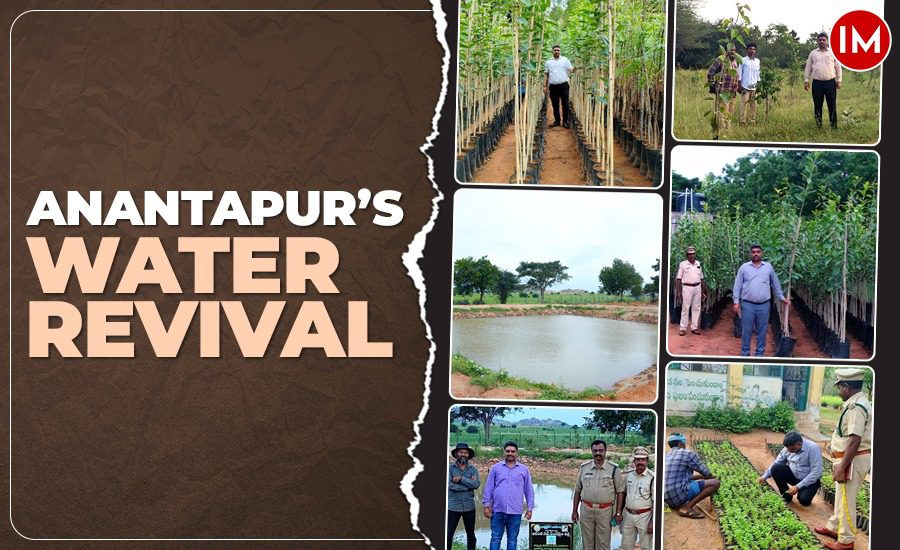
Anantapur, a district in Andhra Pradesh known for its arid landscape and recurring droughts, has long struggled with water scarcity. With an average annual rainfall of just 500 mm, erratic precipitation, and increasing pressure on groundwater, the situation has driven many residents to migrate in search of better opportunities. While irrigation projects and water-saving techniques have improved conditions in some areas, large parts of the district remain parched. Recognising the urgent need for water conservation, Indian Forest Service officer Vineet Kumar (2018-batch, Andhra Pradesh cadre), currently serving as the District Forest Officer (DFO) of Anantapur, and his wife Rupak Yadav, who is a renewable energy professional, initiated the Ananta Niru Sanrakshanam project—a mission to revive and construct water bodies for long-term sustainability.
“Water conservation is not an option anymore; it is a necessity,” IFS Vineet Kumar shared with Indian Masterminds. “We needed to take steps that not only stored rainwater but also helped recharge groundwater and improved biodiversity. That is how Ananta Niru Sanrakshanam was born.”
A MODEL FOR WATER CONSERVATION
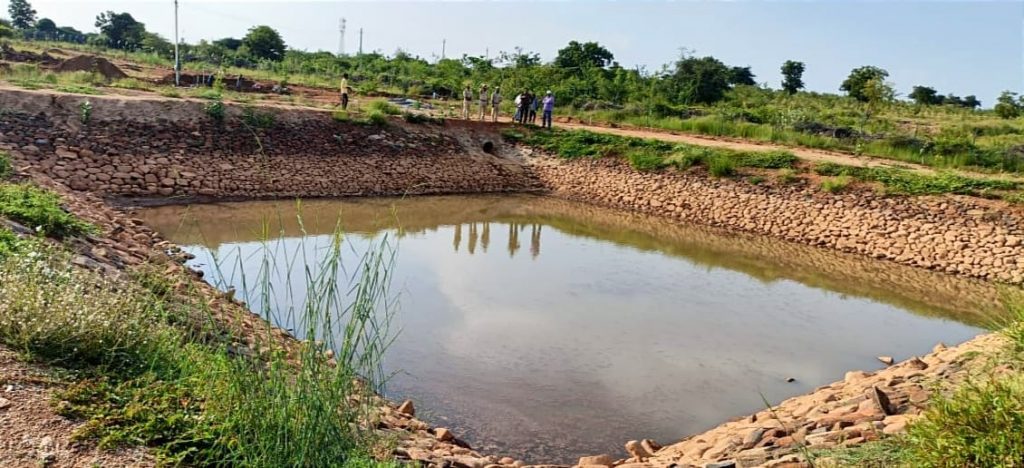
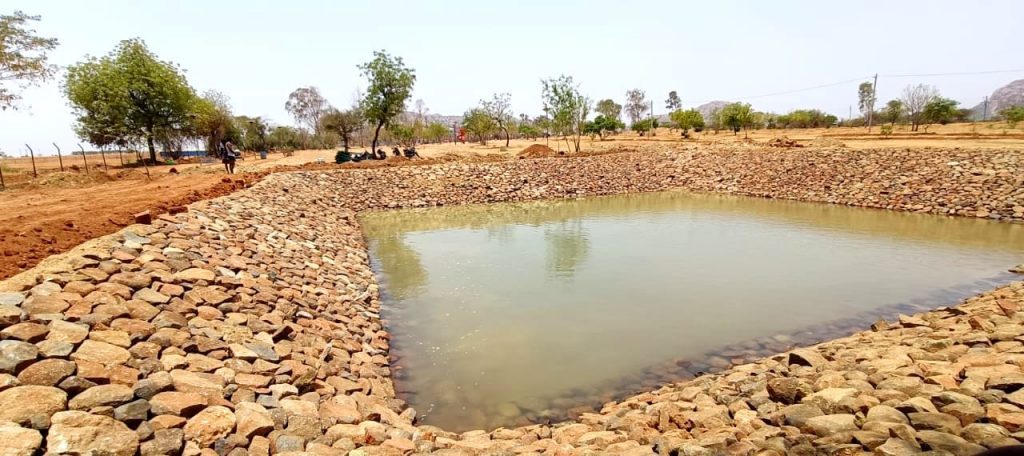
Under this initiative, ten model water bodies have been created in Kalyandurga and Rayadurga towns, each capable of storing several million litres of water. These structures serve multiple purposes—reducing runoff, preventing topsoil erosion, recharging groundwater, and supporting local flora and fauna.
The project was integrated into the Nagarvanam model, making conservation efforts visible and accessible to local communities. “When people see a dried-up area transformed into a thriving water body, it inspires them to take similar action in their own villages,” Mr. Kumar explains. The presence of water has also helped native vegetation regenerate, offering better conditions for wildlife and reducing local temperatures.
OVERCOMING INITIAL SKEPTICISM
Convincing local stakeholders about the effectiveness of the initiative was not easy. Many were skeptical about its success until they saw the results firsthand. The officer further shared informed that there was hesitation in the beginning, but once the ponds filled up during rains, the entire atmosphere changed. Now, there is more greenery, more wildlife, and a visible improvement in the local ecosystem.
The project also revived old water bodies that had turned into dumping grounds or dried up due to silt accumulation. The restoration process involved clearing garbage, removing invasive plant species, fencing off the areas to prevent further pollution, desilting, and deepening the storage capacity. Traditional stone-working techniques were used to reinforce the banks and bunds, employing skilled workers from the Vadde community.
SUSTAINABLE PRACTICES FOR LONG-TERM IMPACT
To ensure sustainability, the project focused on simplicity and community involvement. The use of locally available stone made maintenance easier, and the water bodies were strategically placed within forested areas to prevent misuse. “When people are involved in creating something, they naturally take ownership of its upkeep,” Ms. Rupak Yadav shared with Indian Masterminds.
In addition to water storage, active borewell recharge techniques were implemented in select locations. Natural filtration methods using local boulders, gravel, and sand direct rainwater into borewells, replenishing underground aquifers. “Even a single farmer adopting this technique can save lakhs of litres of water, contributing significantly to groundwater recharge.”
EMPLOYMENT AND ECOLOGICAL BENEFITS
Beyond addressing water scarcity, the project has provided employment opportunities to the local Vadde community, which specialises in the stonework. With the rise of concrete construction, their skills were at risk of being lost. By utilising traditional techniques, the initiative not only preserved their craftsmanship but also demonstrated the efficiency of Indigenous materials. “The use of local stone is not just an aesthetic choice—it’s practical, sustainable, and reinforces community participation,” Ms. Rupak Yadav shared.
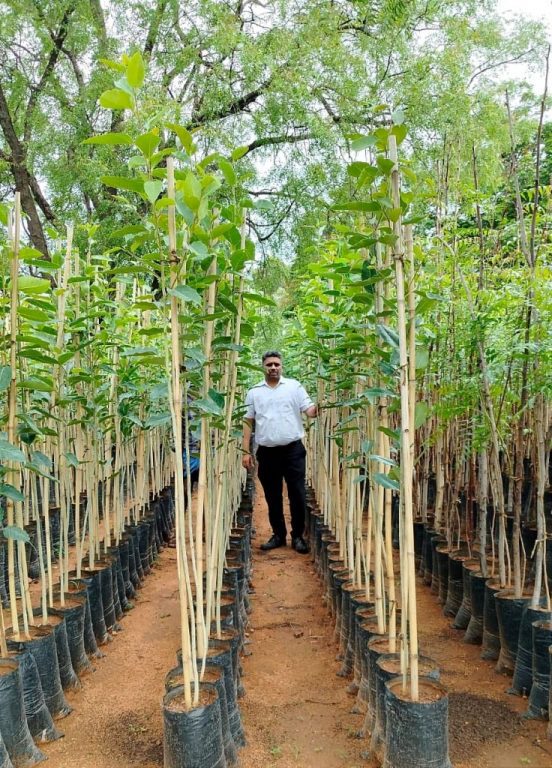
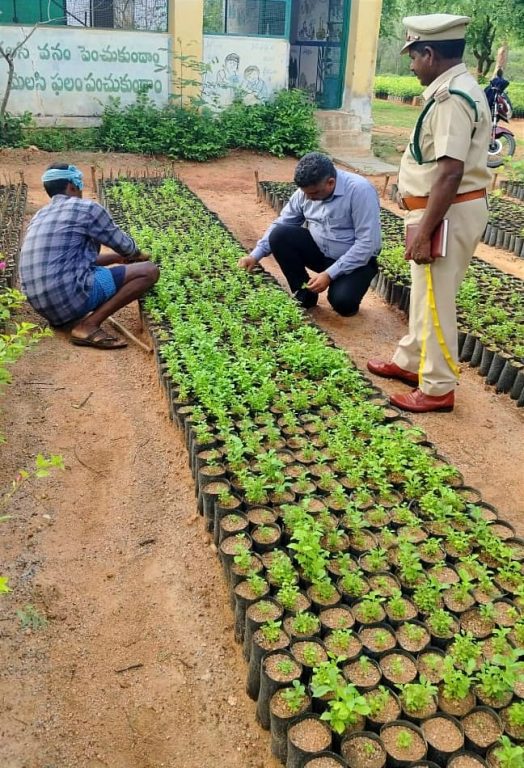
The project also introduced large-scale plantations to enhance vegetation around the water bodies. Tall plant nurseries were established, focusing on species like Peepal, Banyan, Gular, and Neem, which support local biodiversity. Over 5,000 trees have been planted in these areas, while more than five lakh saplings have been distributed across the district.
LOOKING AHEAD
The success of Ananta Niru Sanrakshanam serves as a blueprint for other drought-prone regions. While securing funding, managing manpower, and dealing with challenging terrain were obstacles, the project has demonstrated that effective water conservation is possible through community-driven efforts and sustainable practices.
“This is just the beginning. Water conservation is an ongoing mission, and we hope more people join hands in making it a movement,” IFS Vineet Kumar concludes.
With its emphasis on traditional wisdom, community participation, and long-term sustainability, Ananta Niru Sanrakshanam stands as a remarkable step toward securing water resources for Anantapur’s future.