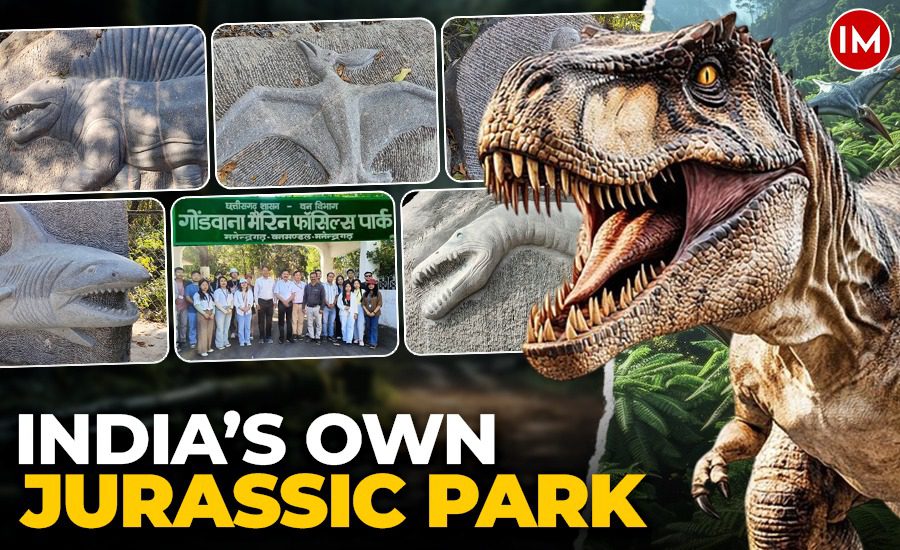
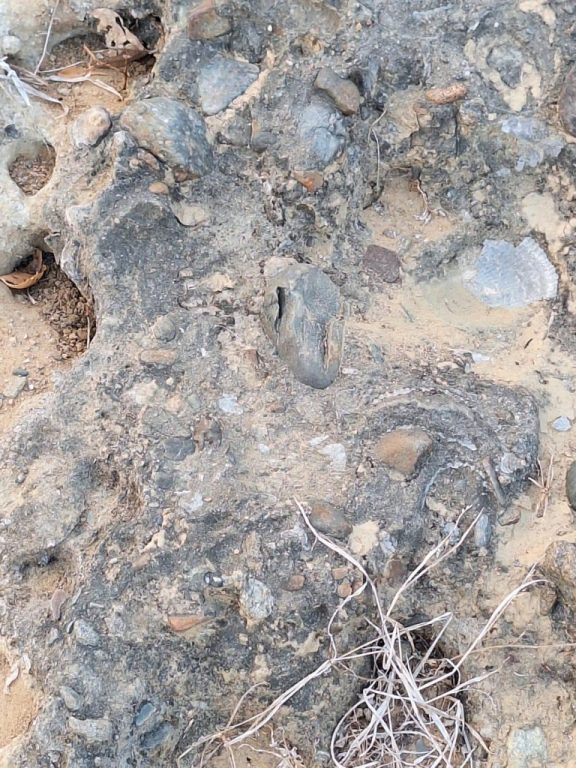
If you want to know what kind of marine life was present on earth 29 crore years ago, come to Chhattisgarh’s Manendragarh forest division. This is home to the largest marine creatures found on earth in the prehistoric era. Species like bivalves, gastropods, brachiopods, crinoids, and bryozoa might be alien to us now, but they used to rule the ancient seas. Their fossils can still be seen in Gondwana Marine Fossil Park in Chhattisgarh.
The park is undergoing a drastic transformation, promising to be a major attraction for both tourists and researchers. The initiative aims to blend education with exploration, turning the site into a unique geological and recreational destination. A Jurassic Rock Garden is being added to the Fossil Park, elevating its appeal and offering visitors an engaging way to learn about prehistoric life. Let us find out what all went into the creation of the Jurassic Rock Garden near Fossil Park.
The fossil park is one of the most significant paleontological sites in India. It is among the five recognised marine fossil sites in the country and is considered the largest in Asia. These fossils, discovered in 1954 by geologist S.K. Ghosh during coal mining operations, include remains of marine organisms that once thrived in the ancient seas covering the region. The scientific validation of these fossils by the Birbal Sahni Institute of Palaeontology in 2015 confirmed their importance in understanding Earth’s geological history.
THE VISION BEHIND THE JURASSIC ROCK GARDEN
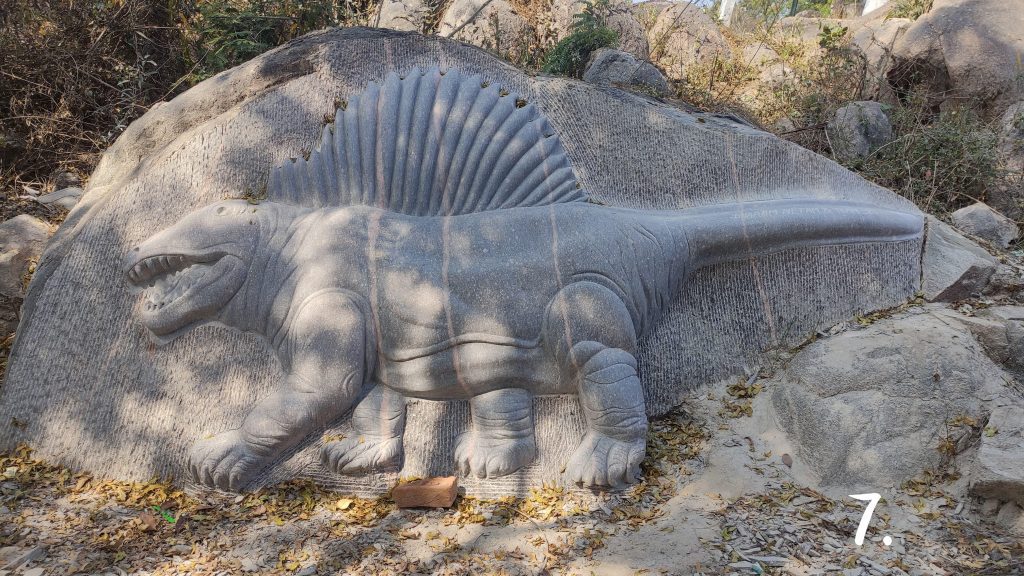
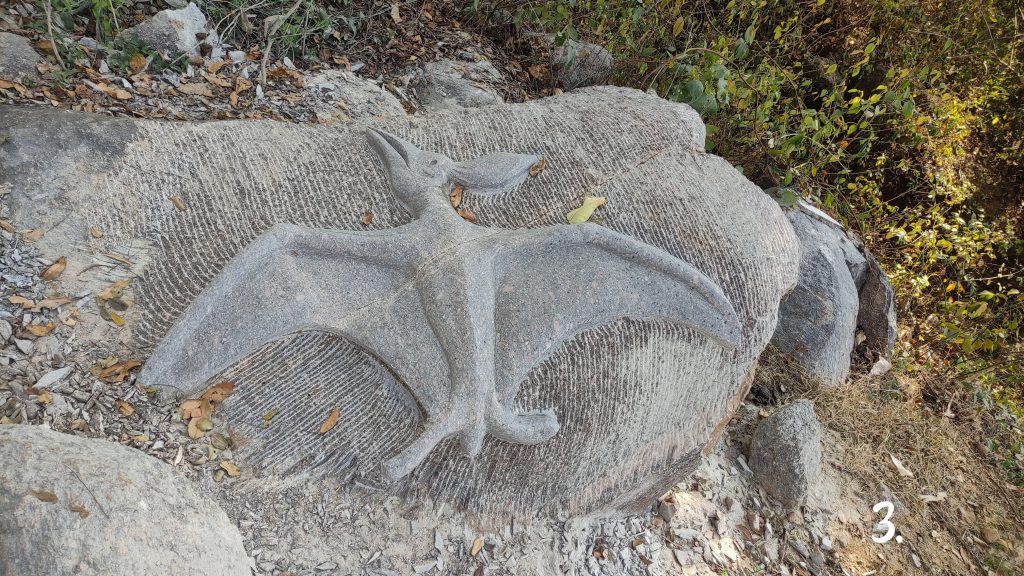
Given the park’s rocky terrain, a conventional garden was not feasible. Instead, the idea of a rock garden was conceptualised, integrating sculptures of prehistoric animals. The name “Jurassic” was chosen to immediately evoke a sense of connection with ancient life, making the concept more relatable to visitors. Divisional Forest Officer, Manish Kashyap, IFS [2015 batch, Chhattisgarh Cadre] explained Indian Masterminds, “Our focus is to develop the Jurassic Rock Garden as an educational trek. Visitors will find the names of various cactus and bamboo plants, making the experience both informative and visually appealing.”
The garden will feature an array of sculptures carved from natural granite rocks found along the banks of the Hasdeo River. These statues depict prehistoric creatures that lived in different environments—land, water, and amphibian species. So far, thirty sculptures have been completed, ranging in height from three to twelve feet. These artistic representations not only enhance the site’s visual appeal but also serve as an engaging way to illustrate prehistoric life.
OVERCOMING CHALLENGES IN DEVELOPMENT
Developing the Jurassic Rock Garden and enhancing the fossil park came with their own set of difficulties. The steep descent to the fossil site, coupled with hard granite formations, made access and development a challenge. Carving sculptures from granite proved particularly tough, as the rock’s sturdiness led to frequent breakages and even caused damage to sculpting machinery. Additionally, assembling a team of sculptors was difficult since many had never worked on a project of this nature before. However, with persistence and technical expertise, these challenges were gradually overcome.
PRESERVATION AMID GROWING TOURISM
With increasing tourist activity, ensuring the protection of these invaluable fossils has been a priority. To safeguard the site, measures have been implemented under the guidance of the Geological Survey of India and a team of researchers. Barricades and chain-link fences have been installed around fossil-rich areas, and surveillance has been strengthened with CCTV cameras and security personnel.

ENGAGING THE LOCAL COMMUNITY
A crucial aspect of the project is its integration with the local community. The day-to-day maintenance of the park has been entrusted to locals appointed by the forest department. The initiative is also creating employment opportunities, with locals being trained as guides and security personnel. Furthermore, bamboo rafting has been introduced on the Hasdeo River, offering both recreational and livelihood opportunities. “This park will provide various job opportunities, including operating the bamboo rafts. Additionally, we have allocated space outside the park for food stalls and local handicraft sales,” Mr. Kashyap added.
ENHANCING VISITOR EXPERIENCE
In addition to the Jurassic Rock Garden, an interpretation center has been established to provide visitors with deeper insights into the fossils and their formation. The centre showcases fossil specimens, informative paintings, and illustrations depicting the Earth’s evolutionary history over 450 crore years.
The park’s landscape is further enriched by a cactus garden and a bamboo section, both designed to complement the natural terrain. Bamboo rafting on the Hasdeo River adds an immersive dimension to the visitor experience, allowing tourists to appreciate the landscape from a unique perspective.
ATTRACTING RESEARCHERS AND STUDENTS
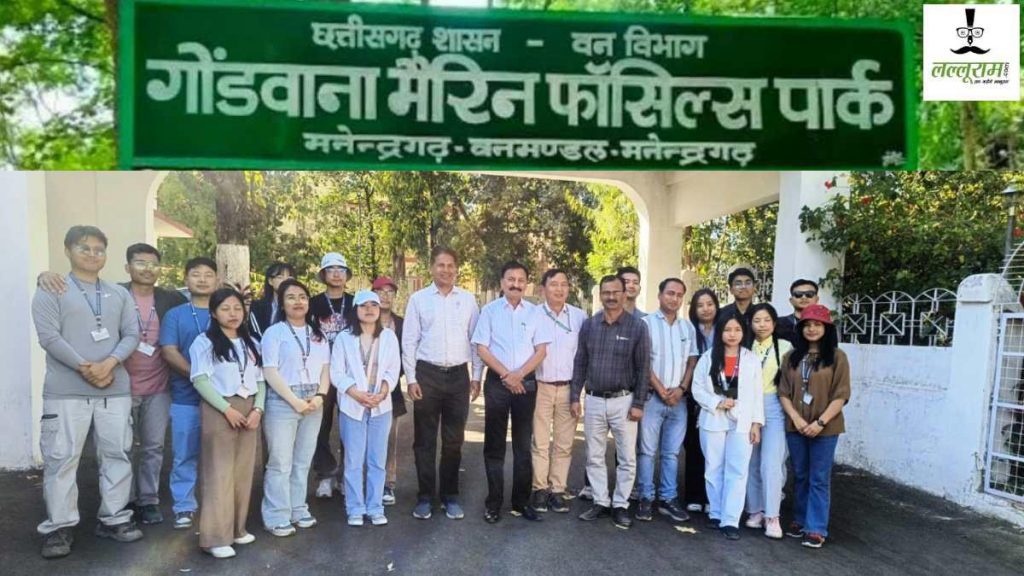
The fossil park has already garnered interest from researchers and students across the country. Recently, a group of geology students from Manipur visited the site, and inquiries for educational trips continue to grow. To further promote academic engagement, an official opening event for the Jurassic Rock Garden is being planned, with Chhattisgarh Chief Minister Vishnu Deo Sai and Health Minister Shyam Bihari Jaiswal expected to inaugurate the site.
“This is a rare site with the largest marine fossils found in India. Geologists believe more fossils could still be unearthed along the riverbank,” said Mr. Kashyap. With its scientific significance, rich history, and newly added attractions, Gondwana Marine Fossil Park is poised to become a must-visit destination for palaeontology enthusiasts and nature lovers alike.