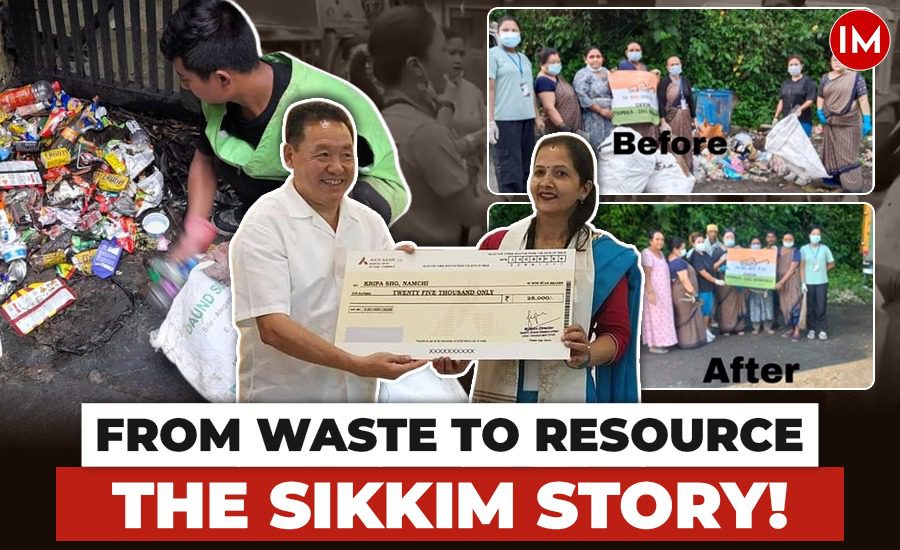
Have you ever heard officers discussing an initiative and calling it the best they’ve encountered? If so, consider the impact of that initiative. In Sikkim, this is exactly what is happening. MT Sherpa, the Secretary of the Urban Ministry and an IAS officer, has described the recent involvement of Self-Help Groups (SHGs) in the ‘Swachh Survekshan Abhiyan’ as one of the most impactful initiatives he has witnessed.
The reason behind this is significant: the initiative has transformed the community’s approach to cleanliness. In Sikkim, if someone tries to litter under the cover of darkness or improperly disposes of waste without segregating it, they are immediately held accountable by vigilant members of the SHGs. These groups are not composed of government officials but are made up of ordinary citizens who care deeply about their community. Their involvement has had a profound effect. Currently, there are 23 active SHGs in Sikkim, each playing a crucial role in promoting cleanliness and environmental responsibility.
Indian Masterminds spoke with Mr. M.T. Sherpa, Secretary of the Urban Development Ministry of Sikkim and a promotee IAS officer of the 2020 batch, to learn more about this initiative.
SWACHH SURVEKSHAN ABHIYAN
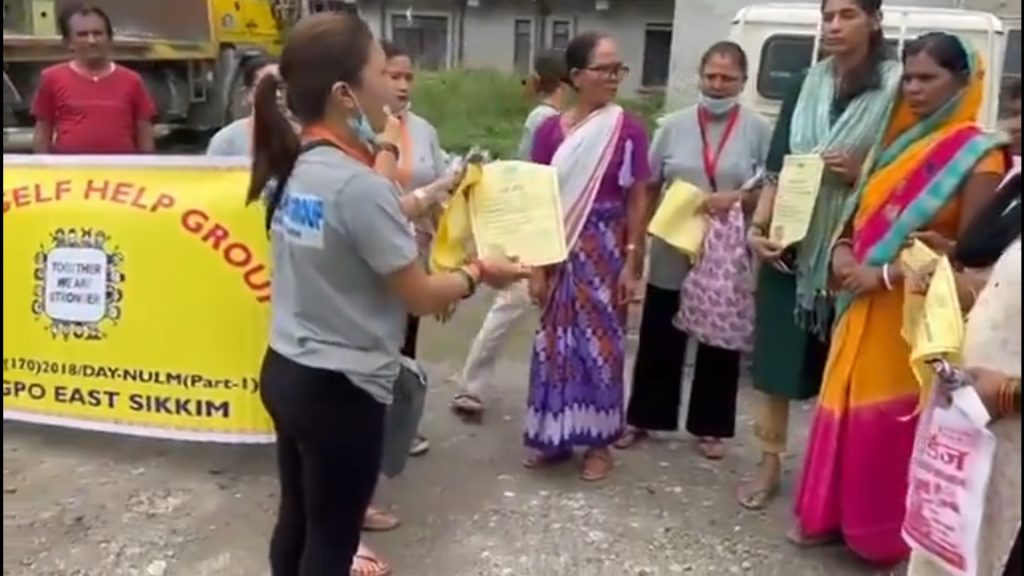
This initiative is a fine example of how community involvement can change any field or project landscape. Launched in March of this year, it quickly blossomed into something remarkable. The self-help groups (SHGs) are primarily composed of women, as they are most effective when it comes to cleanliness. With 23 active SHGs across seven urban local bodies in the state, these women engaged in a comprehensive cleanliness drive. Trained and equipped, they became ambassadors of waste segregation, spreading awareness in schools, colleges, and commercial establishments. They urged their fellow citizens to embrace the principles of responsible waste management, emphasizing the importance of segregating waste into dry, wet, and hazardous categories.
Mr. Sherpa noted, “If we leave it solely to the government, it becomes a mere government task. But when the community is involved, they feel a sense of ownership. This is why there is now a growing conversation about a holistic, community-driven approach. Women, in particular, have proven to be incredibly effective within the SHGs.”
The SHGs took this to heart. They organized door-to-door campaigns, monitoring garbage collection vehicles, and vigilantly patrolling their neighborhoods to catch litterbugs who thought they could escape under the cover of darkness. Their presence transformed the very culture of cleanliness in Sikkim. However, the initiative wasn’t without its hurdles. Some remained resistant to change, clinging to old habits. The SHGs faced moments of frustration, but they pressed on, driven by their mission.
TRAINING
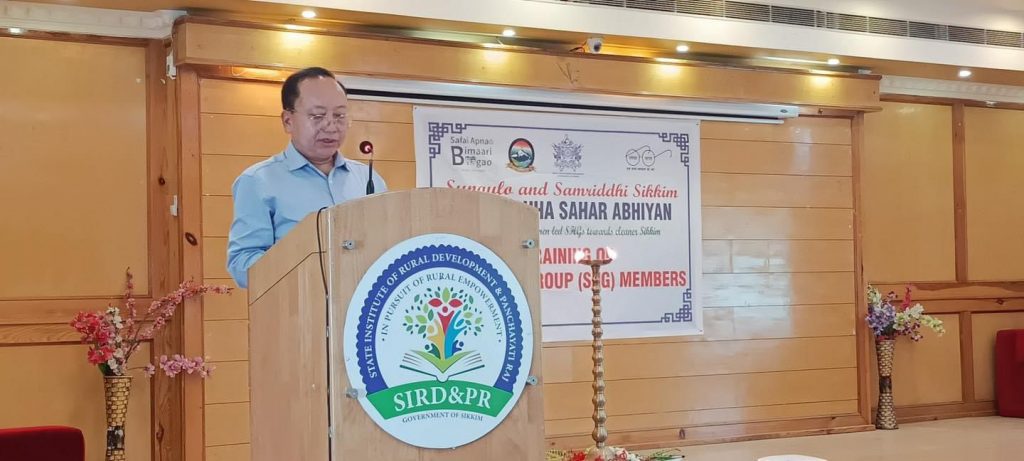
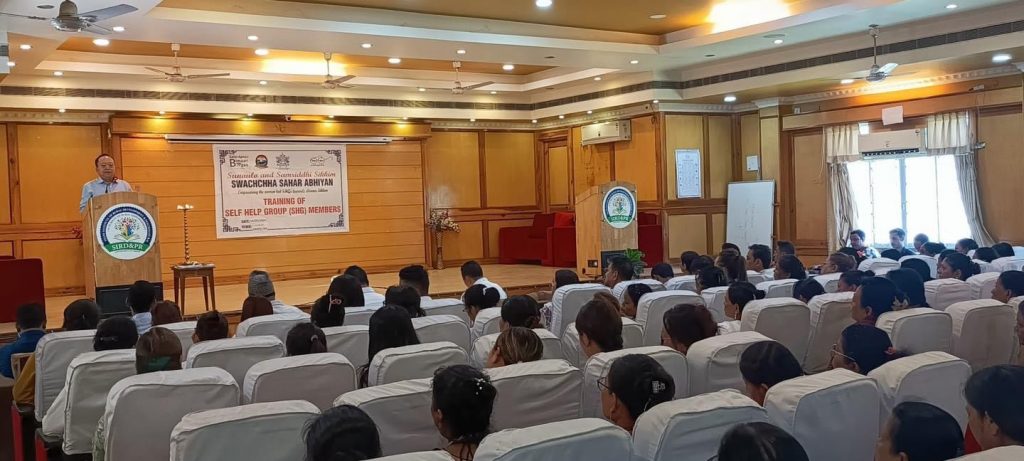
The members of SHGs received comprehensive training, including sensitization and field experience. During the training, SHG members learned what actions to take and how to implement them effectively. They conduct surveys to gather information and guide the community on solid waste management practices. Additionally, they maintain a vigilant watch over waste disposal habits, ensuring that the public adheres to proper guidelines.
After their training, these SHGs take to the field, visiting schools, colleges, and commercial establishments to educate people about the importance of source segregation of waste. They discuss the implications of landfill use and monitor whether waste is properly sorted before being dumped. This includes checking if dry, wet, and hazardous materials have been separated. Additionally, the SHGs conduct door-to-door outreach, raising awareness about effective waste segregation in the community.
MONITORING
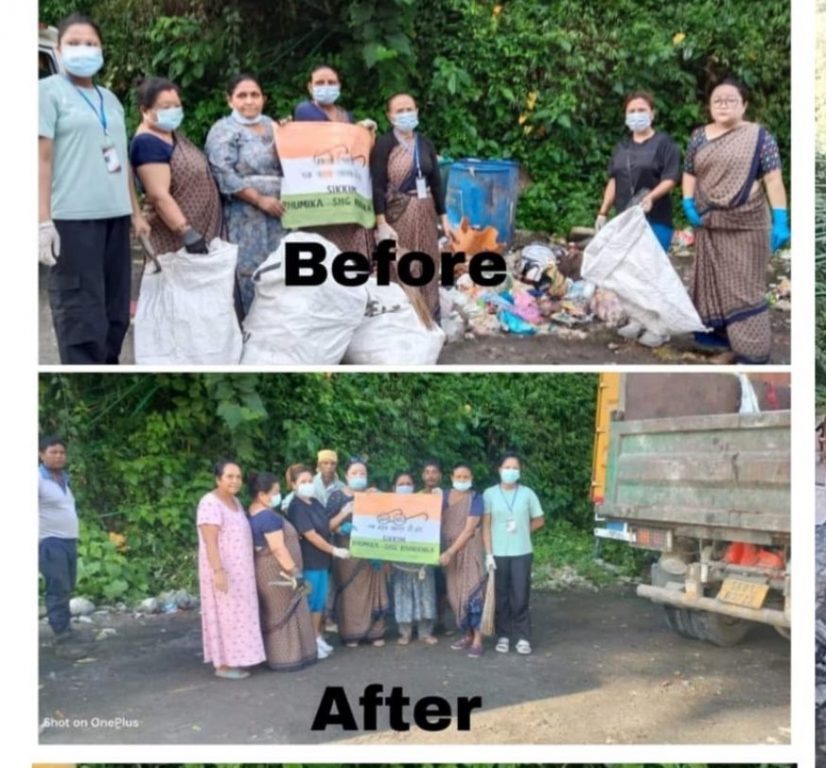
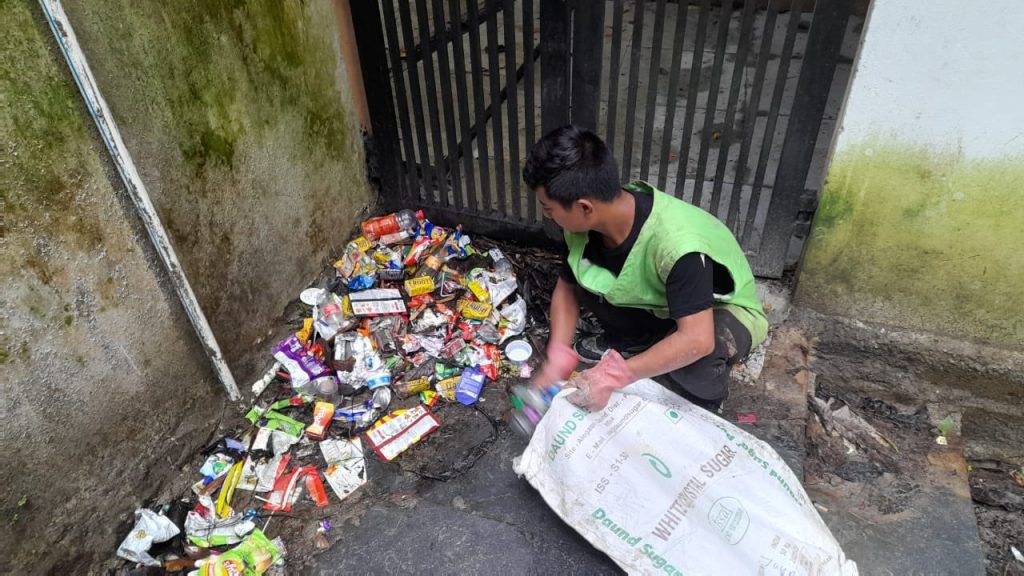
The cleanliness drive is becoming increasingly challenging due to rapid urbanization. But, the SHGs also monitored the waste that came for dumping. They checked for proper segregation and educated people on composting and recycling. The impact was evident. As citizens became more aware, the amount of waste improperly disposed of decreased significantly. The mountains of garbage that once loomed over the city began to shrink.
Rina, a passionate member of the SHG, recounted a recent encounter with a local who had carelessly discarded a plastic bag. “I approached him and explained how mixed waste could lead to environmental disasters,” she said. “To my surprise, he apologized and promised to do better.”
FINANCIAL SUPPORT
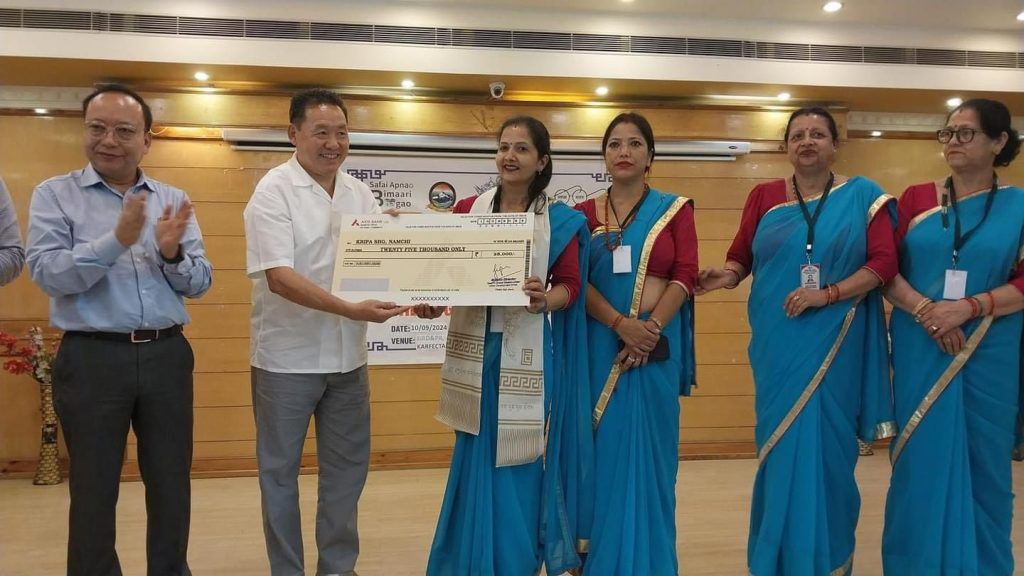
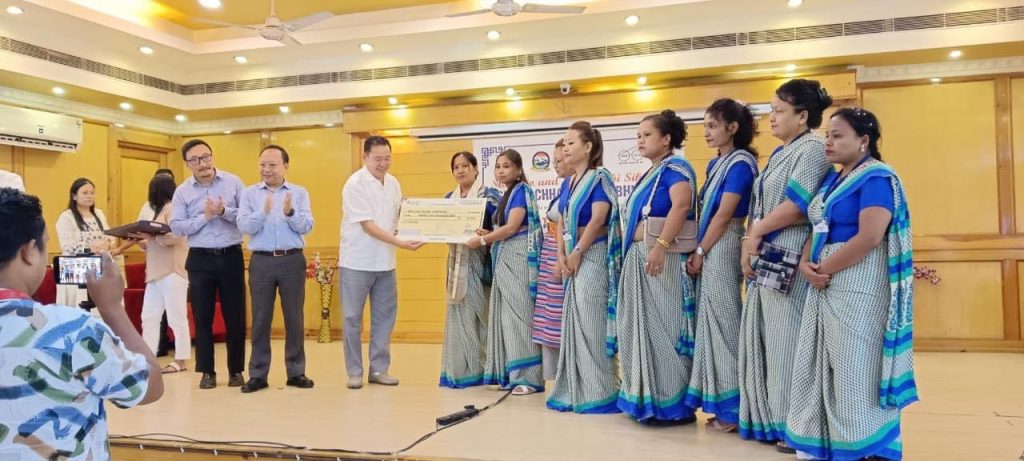
To support these groups, each SHG will receive Rs 1 lakh per year, distributed in four installments. This funding will enable SHG members to purchase essential items, safety kits, and other necessary resources to enhance their efforts.
Mr Sherpa said, “These SHG members are active in nearly all wards of the ULBs. They primarily monitor the arrival of garbage vehicles and also conduct random checks. Unfortunately, some individuals still attempt to litter under the cover of darkness, leaving waste on the streets at night. However, these SHGs are vigilant and catch those responsible. They engage with these individuals, explaining the proper ways to dispose of waste and encouraging responsible behavior.”
IMPORTANCE OF SEGREGATION
When asked about the importance of waste segregation by Indian Masterminds, Mr. Sherpa emphasized, “Without proper segregation, waste ends up directly in landfills, where mixed garbage loses its potential for recycling or reuse. This not only contributes to the creation of mountains of waste – visible in many areas—but also poses significant environmental hazards. When waste is not separated, it leads to increased pollution and detrimental effects on ecosystems, ultimately impacting our health and the environment. Effective segregation is essential for promoting sustainability and reducing the burden on our landfills.
After segregation, wet waste is directed toward composting, while some food waste is repurposed for animal feed. Materials like paper and plastic are sent for recycling. As a result, only properly sorted waste ends up in landfills. Community members are educated on this process, emphasizing that garbage should not be mixed and should be utilized according to its resources. The ultimate goal is to promote effective waste management and resource recovery.
IMPACT
In just a few months, the response to this pilot project has been remarkable. The waste in the community is significantly reduced, and public awareness is on the rise. By engaging the community, cleanliness has become a shared responsibility, fostering a culture of involvement and accountability that is making a significant difference.