Gandhinagar: In a major step toward clean energy, rural prosperity and scientific waste management, the Gujarat government has allocated ₹60 crore to expand the Bio-CNG sector and establish 10 Bio-CNG plants in phases across the state, taking forward the successful Banas model that is now being replicated nationally.
The initiative has been launched under the leadership of Chief Minister Bhupendra Patel and aligns with Prime Minister Narendra Modi’s vision of Waste to Wealth, Aatmanirbhar Bharat and green energy-led rural transformation.
According to the Chief Minister’s Office, Gujarat’s Bio-CNG ecosystem has emerged as a new national benchmark for integrating dairy, clean fuel, farmer income and environmental sustainability.
Banas Bio-CNG model now being adopted by 15 states
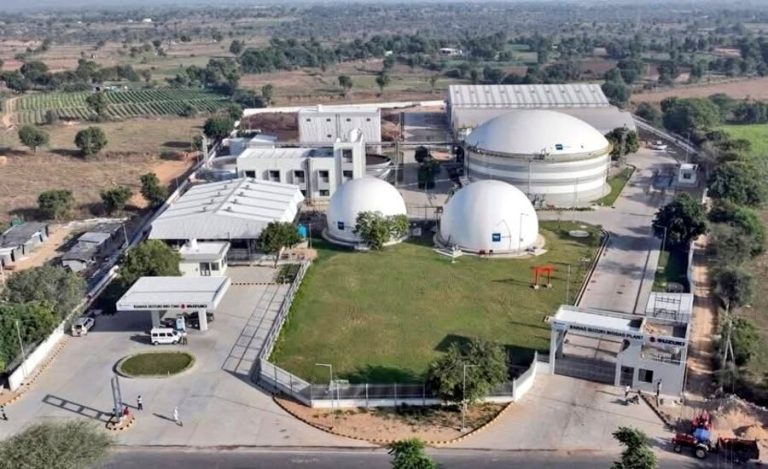
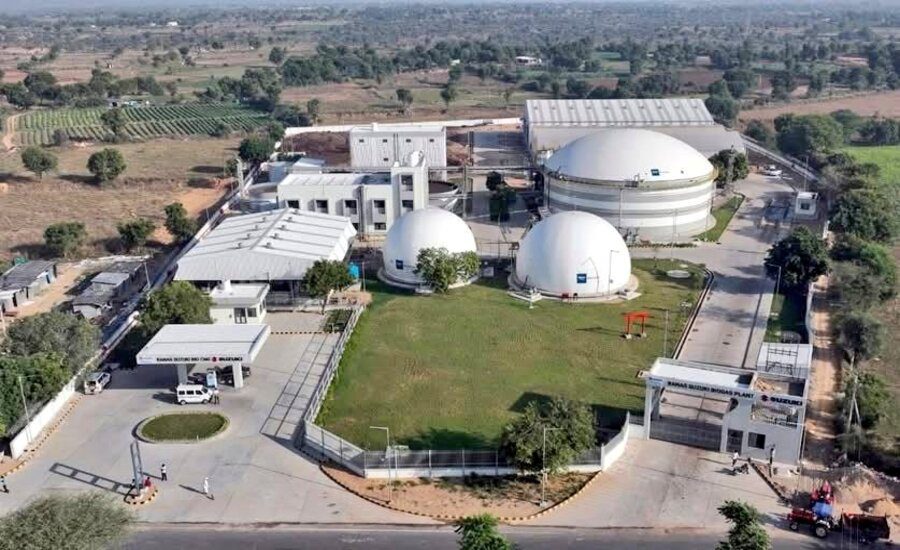
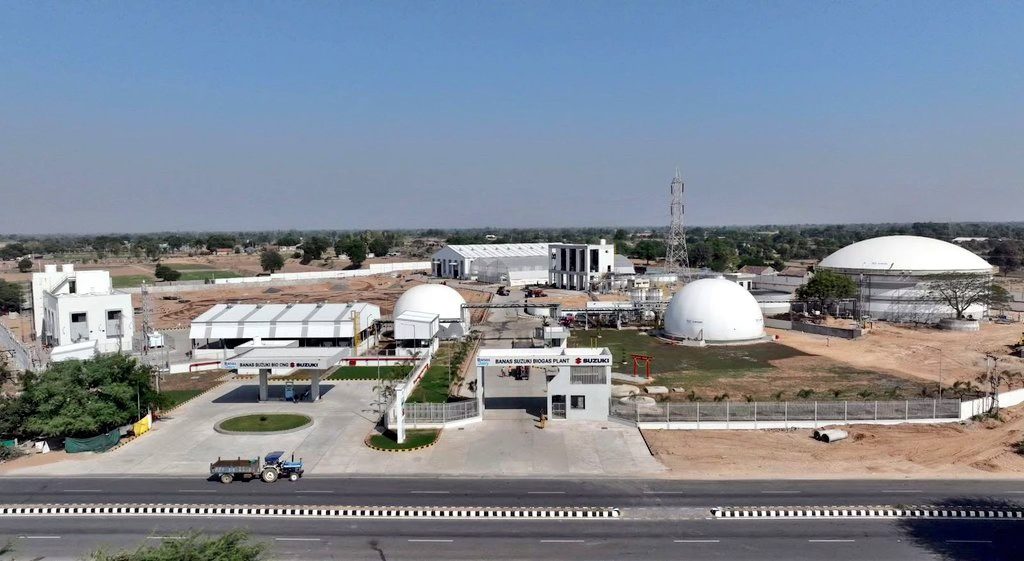
The flagship Bio-CNG model developed by Banas Dairy in Banaskantha district has attracted national attention and is now being adopted by nearly 15 states through joint efforts of the Ministry of Jal Shakti and the Ministry of Cooperation.
The model converts organic waste, particularly cow dung, into:
- compressed biogas (Bio-CNG)
- solid organic fertiliser
- liquid organic fertiliser
This integrated model has demonstrated how rural waste can be converted into long-term economic value.
₹60 crore budget provision prioritises Bio-CNG sector
Recognising the large-scale economic and environmental potential of the sector, Gujarat has placed Bio-CNG among its major budget priorities.
The ₹60 crore allocation is intended to support new plants through cooperative milk production societies and strengthen clean energy generation in rural dairy belts.
The government’s objective is to:
- transform dairy cooperatives into energy production centres
- create rural income streams
- reduce environmental burden
- support self-reliant village economies
10 Bio-CNG plants planned in phases across Gujarat
Under the phased strategy, around 10 Bio-CNG plants are proposed across the state.
The expansion begins with Banaskantha, where multiple new plants are already under implementation.
Banas plant operational for six years, serves as proven model
The existing Bio-CNG plant in Banaskantha has been functioning successfully for the last six years.
The plant processes 40 metric tonnes of cow dung daily and has emerged as a financially sustainable and technologically efficient rural energy model.
Five large plants underway in Banaskantha
Inspired by the first plant’s success, five additional large Bio-CNG plants are being developed in Banaskantha district.
Current status:
- 2 plants operational
- 1 plant in final completion stage
- remaining plants under phased development
Each new plant is designed to process approximately 100 metric tonnes of dung per day.
Each plant costs ₹50–55 crore
Each Bio-CNG unit requires an investment of approximately ₹50 crore to ₹55 crore.
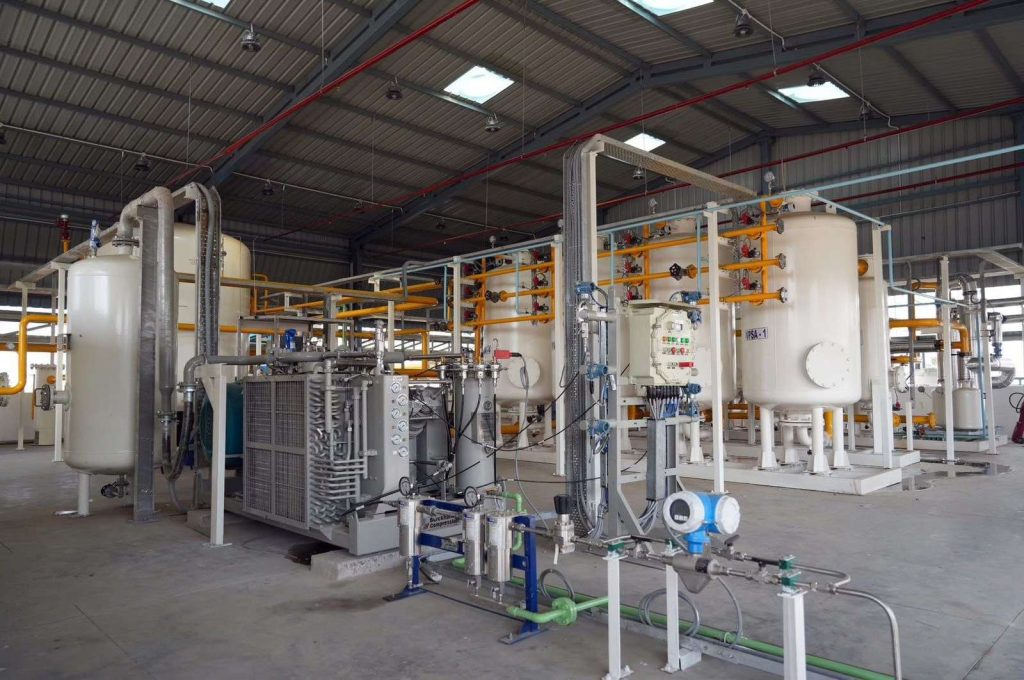
These plants are designed as advanced infrastructure systems integrating:
- scientific waste processing
- methane capture
- gas compression
- organic fertiliser generation
400–450 farmer families earning directly from dung supply
Each plant benefits animal husbandry households across 20 to 25 villages within a radius of 20 kilometres.
Farmers are paid ₹1 per kilogram of dung, creating a direct additional income source for approximately 400 to 450 livestock-owning families.
Dung collection generates rural employment
To support supply logistics, around 13 tractor-trolleys operate daily for dung collection and transport.
Each vehicle carries approximately 4 metric tonnes per trip, creating employment and supporting local rural transport activity.
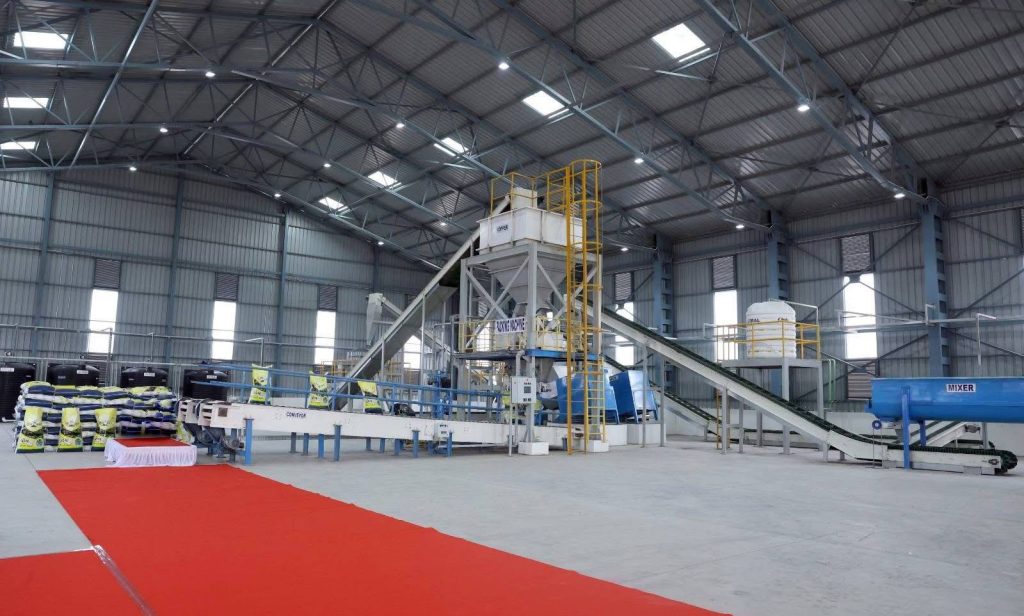
Daily production includes gas and organic fertilisers
The plant follows a diversified revenue model.
Daily output includes:
- 1,800 kg compressed biogas (CNG)
- 25 metric tonnes solid organic fertiliser
- 75 metric tonnes liquid organic fertiliser
Market pricing creates strong revenue stream
Products are sold at the following rates:
- Bio-CNG: ₹75 per kg
- Solid fertiliser: ₹6 per kg
- Liquid fertiliser: ₹0.50 per kg
Together, these generate more than ₹3 lakh revenue daily, translating into nearly ₹12 crore annual turnover per plant.
Environmental gains: 6,750 tonnes carbon emission reduction annually
Each Bio-CNG unit is also a major climate intervention.
The model can reduce approximately 6,750 tonnes of CO2 equivalent greenhouse gas emissions annually.
This makes the project significant not only for rural development but also for climate action.
Green Banaskantha moving toward Green Gujarat
Officials say the combination of:
- clean fuel production
- chemical-free fertiliser
- scientific waste utilisation
is gradually transforming Banaskantha into a green growth model for the state.
The larger goal is to expand this model across Gujarat and position rural cooperatives at the centre of sustainable development.
Model links ecology with economy
The Gujarat government views the Bio-CNG ecosystem as a rare example where:
- farmer income
- industrial technology
- waste management
- renewable energy
- environmental protection
are advancing together.
The model is now increasingly being studied as a template for national rural energy policy.