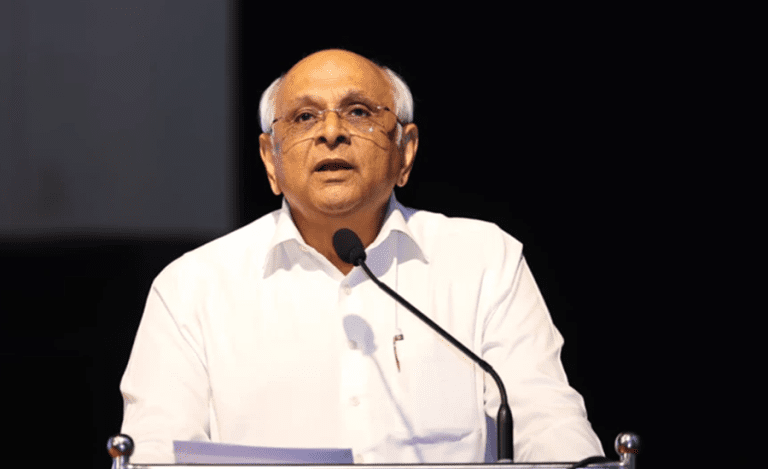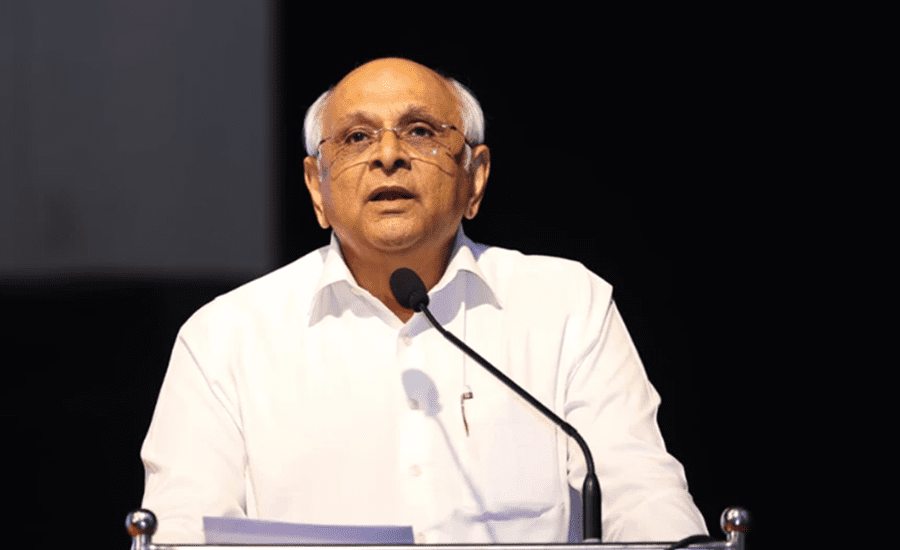
Gandhinagar: Gujarat Chief Minister Bhupendra Patel has approved a significant reduction in stamp duty for intra-family land transfers among hereditary and collateral heirs. Under the new provision, a nominal stamp duty of just ₹300 will now be applicable on relevant land documents, aimed at helping farmers and families streamline property transfers.
The decision, announced on Friday, is part of a broader effort to reduce financial burdens, promote legal documentation, and simplify property inheritance processes in the state.
Key Features of the Stamp Duty Relief
Under the new rules, governed by Section 9 of the Gujarat Stamp Act, 1958, the state government has the power to provide exemptions or reduce stamp duty. The highlights of the CM-approved relief include:
- Nominal Stamp Duty: All intra-family land transfer documents under hereditary or collateral succession will now attract a fixed ₹300 stamp duty.
- Rights Relinquishment: When one or more heirs voluntarily relinquish their rights in favor of other heirs—either in a single stage or multiple stages—the corresponding document will carry a ₹300 stamp duty.
- Entry of Heirs’ Names: Whether hereditary heirs are alive or absent, the registration of names of heirs in multiple phases during the lifetime will incur a ₹300 stamp duty per entry.
- Partition of Joint Accounts: When joint account holders of inherited land divide their shares over time, whether in one or multiple stages, a ₹300 stamp duty per division document will apply.
Special Provisions for Agricultural Land
The relief also includes specific measures for agricultural land:
- If no direct hereditary heirs are alive, rights can be transferred in favor of one or more parallel heirs in one or multiple phases.
- All such transfers, including entries of names, rights, and partitions during the lifetime of the owner, will carry a ₹300 stamp duty per document.
These provisions are expected to simplify land transfers among family members, reduce disputes, and encourage formal registration of inherited properties.
Expected Benefits of the Decision
The Chief Minister’s office highlighted several anticipated advantages of this initiative:
- Ease of Property Division: Simplifies intra-family transfers, reducing litigation and conflicts.
- Financial Relief for Farmers: Lowers the financial burden associated with dividing hereditary agricultural land.
- Transparency and Legal Clarity: Encourages proper documentation, reducing ambiguities in land ownership.
- Simplified Process: A uniform ₹300 stamp duty makes the process faster, practical, and more accessible for families and farmers.
Overall, this move is expected to promote fair and transparent land inheritance practices, reduce legal disputes, and make intra-family property transfers more affordable and efficient across Gujarat.