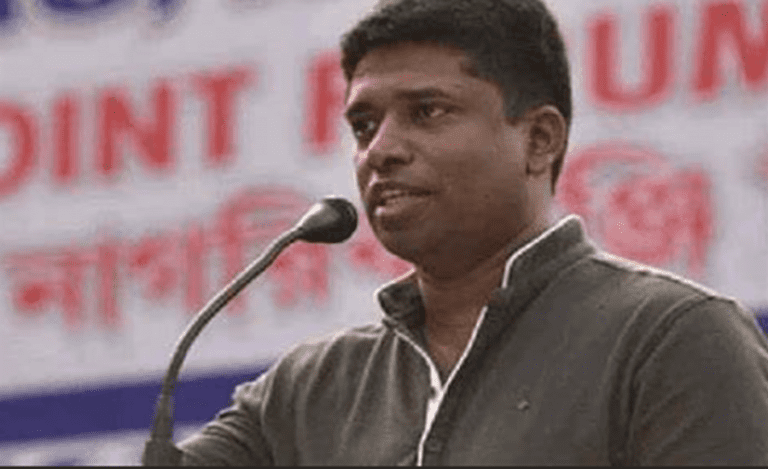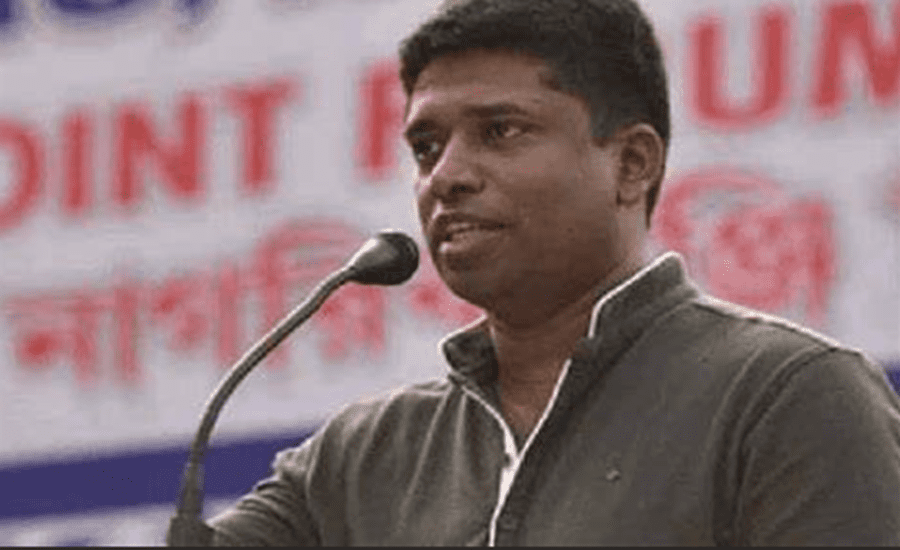
Thiruvananthapuram: Former IAS officer Kannan Gopinathan, who resigned from the civil services in 2019 after protesting restrictions imposed in Jammu and Kashmir following the abrogation of Abrogation of Article 370, has accused the Centre of deliberately keeping his resignation pending for over six and a half years, alleging that the delay is now preventing him from contesting the upcoming Kerala Assembly elections.
Gopinathan, a 2012-batch AGMUT cadre officer who joined Indian National Congress in October 2025, took to X to directly address Prime Minister Narendra Modi, calling the prolonged delay “pure harassment.”
Says Resignation Pending Despite No Salary or Formal Release
In his public post, Gopinathan stated that although he resigned in 2019, the government has neither formally accepted his resignation nor released him from service. According to him, this unresolved status has prevented him from professionally moving forward and entering electoral politics.
He wrote that he has received neither salary nor formal discharge during this period, arguing that the delay has created an unusual administrative limbo.
Direct Appeal to Prime Minister Modi
In his message, Gopinathan said: “Your government has refused to process my resignation for 6.5 years. No salary and no release. This has stopped me from professionally moving on. And has also prevented me from contesting elections in Kerala.”
He further termed the situation as harassment and urged the Prime Minister to intervene personally in the matter.
Links Delay to Democratic Rights
The former officer also said he had avoided raising the issue publicly earlier because millions of people face larger hardships, but added that denying an individual the right to resign and participate in democratic politics was unacceptable.
He wrote that blocking his resignation effectively restricts his ability to participate in the democratic process, regardless of his political views.
Background: Resignation After Kashmir Protest
Gopinathan resigned from the IAS in 2019 after publicly opposing restrictions imposed in Kashmir after Article 370 was revoked. His resignation became nationally significant because he was among the few serving IAS officers to openly dissent over the move.
After several years of activism and public engagement, he formally joined Congress in October 2025, signaling a direct shift from bureaucracy to electoral politics.
Political Implications Ahead of Kerala Elections
His latest statement comes at a politically sensitive time as Kerala moves toward Assembly elections. If his resignation remains formally unaccepted, questions may continue over his eligibility to contest, despite his active political role.
The issue also revives debate over how long resignation cases of civil servants can remain pending and whether such delays can affect political participation.