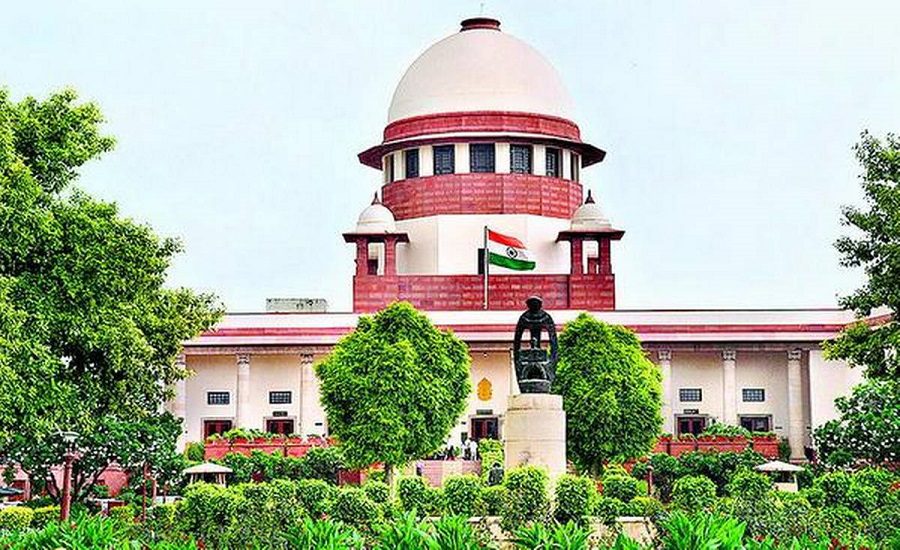
New Delhi: The Supreme Court has raised serious concerns about the mandatory three-year practice requirement for law graduates seeking to join the judicial service, particularly noting how it may disproportionately affect women aspirants. This issue came up during the hearing of review petitions challenging last year’s May 2025 judgment that restored the three-year practice condition as an eligibility criterion for entry-level judicial service posts.
Background: What Is the 3-Year Practice Rule?
In May 2025, the Supreme Court reinstated a rule requiring candidates to have at least three years of legal practice as an advocate before they can apply for the Civil Judge (Junior Division) and other entry-level judicial service posts. The Court clarified that the practice period would count from the date of provisional enrolment with a State Bar Council, not from passing the Bar exam.
This rule, enforced across India, aims to ensure candidates have real-world courtroom experience before taking on judicial responsibilities. Critics argue this creates a career gap for fresh law graduates and may limit their opportunities.
3-Year Practice Rule for Judicial Service: Supreme Court Hearing
On February 26, 2026, a bench led by Chief Justice of India Surya Kant, along with Justices K. Vinod Chandran and A.G. Masih, heard multiple review petitions challenging this three-year practice condition. During the hearing, the Court expressed oral reservations about the rule’s practical impact, especially on young and female candidates.
Women Aspiring Judges: Why the Rule May Hurt Prospects
The bench observed that while courtroom experience is valuable, the rigid three-year requirement may disproportionately disadvantage women, many of whom could face societal pressures related to marriage, relocation, or family responsibilities. CJI Surya Kant highlighted that around 60% of current judicial officers are women, stressing the importance of not creating barriers that discourage their participation.
This kind of “career vacuum” for fresh law graduates might deter talented individuals from pursuing judicial careers immediately after completing law school. The bench indicated that the Court must balance the need for professional experience with broader fairness and inclusivity concerns.
What Happens Next?
The Supreme Court has now sought responses from the Registrar Generals of High Courts on these review petitions. The ongoing hearings will determine whether the three-year practice condition will be maintained, modified, or scrapped. Until a final order is passed, the existing practice requirement continues to be the standard eligibility condition.
Why This Matters
- Fresh law graduates across India may have to wait three years before becoming eligible for judicial service exams.
- Women aspirants could be disadvantaged due to social or family dynamics.
- The review could reshape judicial recruitment policies for years to come.