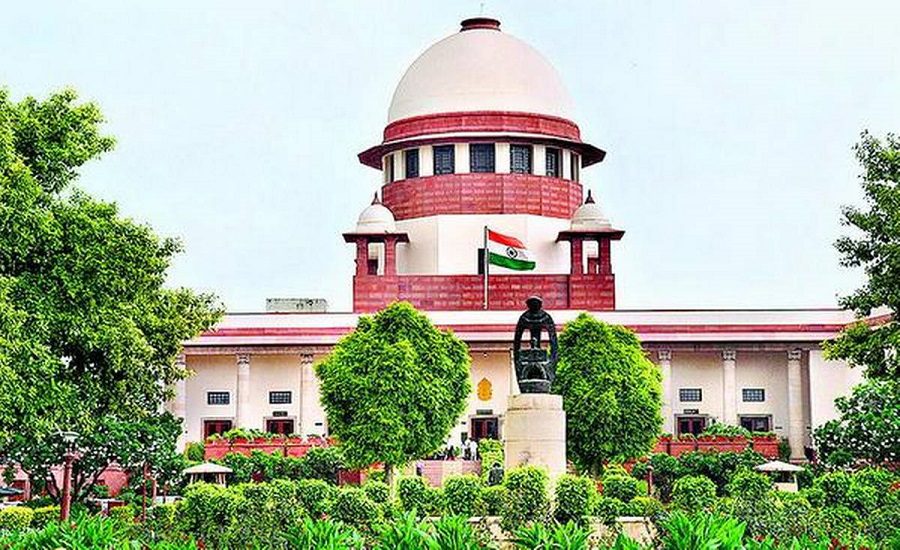
New Delhi: The Supreme Court of India directed the Central Government to frame such a policy. The court said people who suffer serious side effects after COVID-19 vaccination should have access to a fair compensation system. The directive came while hearing petitions filed by families who alleged deaths due to adverse reactions to COVID-19 vaccines. The apex court emphasised the need for a structured framework that provides compensation without forcing victims to prove negligence or fault.
Vaccine No-Fault Compensation Policy: Supreme Court Key Direction to the Centre
The Supreme Court has instructed the Union Government to develop a “no-fault compensation policy” for individuals who suffer serious adverse effects after taking COVID-19 vaccines.
Read also: Will India Finally Get Junk Food Warning Labels? Supreme Court Gives FSSAI Four-Week Deadline
Under such a policy, affected persons or families can receive compensation without proving that the government or vaccine manufacturer was negligent.
The bench said a clear mechanism is necessary to address cases where vaccination may lead to serious health complications. This step is aimed at ensuring fairness and maintaining public trust in national immunisation programmes.
Background of the Vaccine No-Fault Compensation Policy
The matter reached the apex court through petitions filed by families who claimed that their relatives died after experiencing adverse reactions to COVID-19 vaccines.
One petition was filed by Rachna Gangu and Venugopalan Govindan, who alleged that their daughters died due to vaccine-related side effects. They asked the court to direct the government to provide compensation and create an expert committee to investigate adverse effects of vaccination.
Another case arose from a petition filed in the Kerala High Court by a woman who claimed her husband died due to complications following vaccination and sought compensation.
Government’s Earlier Stand on Compensation
Earlier, the Central Government had told the Supreme Court that COVID-19 vaccination was voluntary, and people took the vaccine after being informed about potential risks.
The government also argued that vaccines used in India were manufactured by third parties and had undergone regulatory approval. Therefore, the state should not automatically be held liable for compensation in cases of adverse events following immunisation (AEFI).
However, the court observed that even if vaccines are safe and widely beneficial, rare adverse events still require a fair support system for affected families.
What Is a “No-Fault Compensation Policy”?
A no-fault compensation system allows victims to receive financial support without proving negligence in court.
Such systems are used in several countries to ensure quick and fair compensation to individuals who suffer rare but serious vaccine-related injuries. These programmes aim to protect both public health efforts and the rights of individuals affected by vaccine side effects.
Key features of a no-fault system typically include:
- Compensation without lengthy legal battles
- Expert medical review of adverse events
- Faster financial assistance to victims or families
- Greater public trust in vaccination programmes
Importance of the Supreme Court’s Directive
The directive is significant for India’s public health system for several reasons:
1. Strengthening public confidence: A compensation policy may increase trust in government vaccination drives.
2. Providing justice to affected families: Families claiming vaccine-related deaths or injuries may get a structured mechanism for relief.
3. Creating a clear national framework: Currently, India does not have a dedicated nationwide compensation scheme for COVID-19 vaccine adverse events.
4. Balancing public health and individual rights: The policy would ensure support for rare cases while continuing large-scale vaccination programmes.
What Happens Next
The Supreme Court has asked the Central Government to formulate a policy framework for compensation related to serious adverse effects of COVID-19 vaccines.
The Centre may now consult health authorities, scientific experts, and legal bodies to design the scheme. The final policy could define eligibility criteria, verification procedures, and the amount of compensation payable.
The decision could become a major step in shaping India’s future approach to vaccine safety, accountability, and public health preparedness.
Read also: Supreme Court Sends Strong Message on COVID-19 Doctors Compensation — Govt Asked to Act Fast