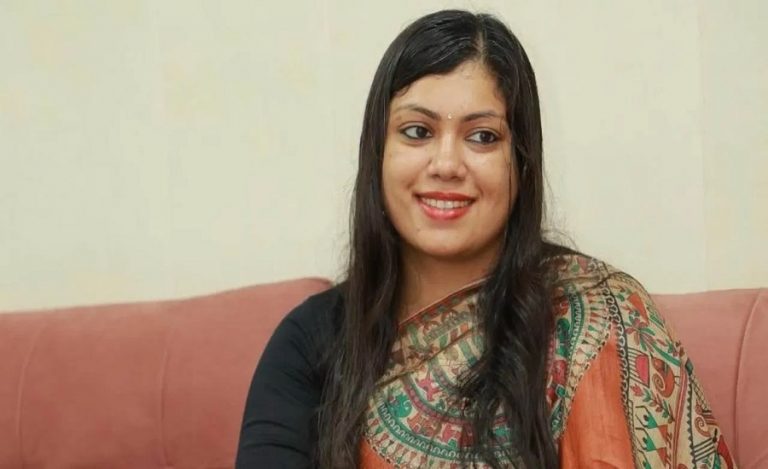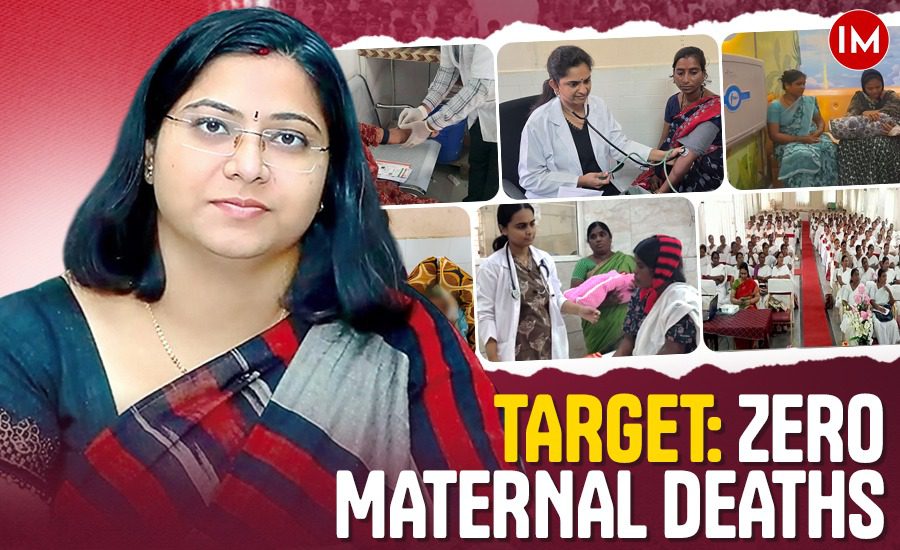
On December 14, 2024, the Nirmal district in Telangana launched Amma Rakshitha, a maternal and neonatal healthcare initiative designed to close critical gaps in pregnancy care, delivery, and postnatal follow-up. The program was initiated under the leadership of IAS Abhilasha Abhinav (2018 batch, Telangana cadre), Collector and District Magistrate, Nirmal, with a clear objective: prevent avoidable maternal and newborn deaths through early identification of risk, coordinated care, and strengthened public health systems.
Rather than focusing on isolated interventions, Amma Rakshitha works across the entire continuum of care—from pregnancy registration to postnatal monitoring—ensuring that no woman is lost to follow-up and no high-risk condition goes unnoticed.
DISTRICT CONTEXT AND HEALTH INFRASTRUCTURE
Nirmal district spans 3,845 square kilometers with a population of approximately 7.88 lakh. The public health network includes one medical college, one government general hospital, one area hospital, three community health centres, 16 primary health centres, and 106 sub-centres. Emergency response is supported by 16 ambulances under the 108 service and five vehicles under the 102 maternal transport system.
Despite this infrastructure, challenges remained. Anaemia among pregnant women, delayed detection of high-risk cases, limited specialist access, and weak follow-up mechanisms were contributing to maternal and neonatal complications. Amma Rakshitha was conceived to address these issues through district-level coordination and daily monitoring.
CLEAR TARGETS, MEASURABLE OUTCOMES
The district administration defined three non-negotiable goals:
- 100% first-trimester antenatal registration
- 100% institutional deliveries
- Zero low birth weight babies
The broader vision is to make Nirmal a maternal death-free district by 2030.
For District Collector and Magistrate IAS Abhilasha Abhinav, the approach to maternal safety leaves no room for compromise. “We must not lose any mothers in this era. We shall do whatever it takes to prevent MMR. The target is zero maternal mortality every year,” she told Indian Masterminds.
Between December 2024 and October 2025, 10,794 pregnancies were registered across the district, with 9,638 women enrolling in the first trimester. During the same period, 4,286 government institutional deliveries were conducted, including 1,173 normal deliveries and 3,113 caesarean sections.
HELP DESK MODEL
A central feature of Amma Rakshitha is the Help Desk system operating at Government General Hospital, Nirmal, and Area Hospital, Bhainsa. Six supervisory staff members are deployed—three at each facility. Each supervisor monitors four PHCs and maintains daily contact with pregnant women.
These calls are not perfunctory. Supervisors track haemoglobin levels, ensure intake of iron tablets or injections, confirm completion of mandatory scans such as the 20-week TIFFA scan, promote antenatal exercises, coordinate transport for deliveries, and reinforce exclusive breastfeeding for the first six months.
By October 2025, help desk teams had contacted all 10,794 registered pregnant women, corrected anaemia in 2,522 cases, facilitated 1,163 TIFFA scans, and ensured 142 women received cardiac evaluations through 2D echo services.
EARLY DETECTION OF HIGH-RISK PREGNANCIES
High-risk pregnancy identification begins at the sub-centre and PHC level. ANMs, ASHAs, and medical officers use a standardised checklist available in Telugu and English to identify warning signs such as prolonged fever, high blood pressure, swelling, reduced foetal movements, breathlessness, chest pain, and abnormal bleeding.
Cases are digitally tracked and colour-coded:
- Red for very high-risk
- Pink for moderate high-risk
- Green for anaemia-related cases
This system allows immediate escalation to MCH Nirmal or Area Hospital Bhainsa and ensures no case is delayed due to administrative gaps.
STRENGTHENED DIAGNOSTICS AND SPECIALIST ACCESS
Amma Rakshitha expanded access to diagnostics through T-HUB laboratories and on-site radiology services at MCH Nirmal. Pregnant women receive routine antenatal scans, growth scans, and TIFFA scans conducted by radiologists.
Specialist care was also integrated. Women with cardiac conditions undergo regular 2D echocardiography and cardiologist consultations. Weekly online gynaecology consultations through telemedicine platforms reduce delays for women in remote mandals. Mental health services address postpartum anxiety, depression, and psychosis, an area often neglected in maternal care programs.
NUTRITION AND ANAEMIA CONTROL
Anaemia was identified as one of the most pressing concerns in the district. Amma Rakshitha prioritised early screening and aggressive correction through iron folic acid tablets, calcium supplementation, and iron sucrose injections for severe cases.
Interventions extend beyond pregnancy. Nutritional awareness is promoted at school level through iron supplementation and kitchen gardens in government schools. Adolescent girls receive dietary counselling, gynaecology consultations for menstrual disorders, and iron therapy when required.
The program invested heavily in capacity building. Training was conducted for:
- 20 medical officers
- 157 ANMs
- 559 ASHAs
- 58 supervisory staff
- 37 laboratory and pharmacy personnel
Midwifery skills, high-risk pregnancy management, emergency referrals, and follow-up protocols were key components. Private hospitals were also oriented on the Clinical Establishments Act to ensure regulatory compliance and coordinated referrals.
INSTITUTIONAL DELIVERIES AND EMERGENCY CARE
Achieving complete institutional delivery coverage was central to Amma Rakshitha. Strengthened ambulance mobilisation under the 102 service ensured timely transport for antenatal check-ups, deliveries, and postnatal care.
Tertiary and secondary hospitals were formally linked with PHCs, creating clear referral pathways. Emergency obstetric care, blood bank access, and surgical readiness helped manage complex cases without delay.
LIVES SAVED THROUGH TIMELY INTERVENTION
Several high-risk cases illustrate the program’s impact. Triplets were safely delivered through caesarean section with both mother and infants stable. A woman with haemoglobin of 2 g/dl and heart failure was stabilised through cardiac evaluation, blood transfusion, and specialist care, preventing maternal death. Another case involving uterine rupture at 37 weeks was managed through emergency surgery, resulting in a healthy newborn.
These outcomes were possible due to early detection, coordinated referrals, and round-the-clock readiness.
The district’s maternal mortality ratio declined from 1.5% to 0.6%, below the state average. Infant mortality also reduced from 17 to 13 per 1,000 live births. These improvements are supported by year-wise data tracked from 2020 to 2025.
A REPLICABLE DISTRICT MODEL
Amma Rakshitha demonstrates how focused administrative leadership, daily monitoring, and field-level coordination can change maternal health outcomes within a short time frame. The program integrates prevention, diagnostics, treatment, and mental health support into a single operational framework.
As Nirmal continues its efforts toward becoming a maternal death–free district by 2030, Amma Rakshitha stands as a structured, data-driven model that other districts can adapt.
As District Collector IAS Abhilasha Abhinav notes, “Today is a struggle; tomorrow is hope. The future belongs to those who keep trying.”