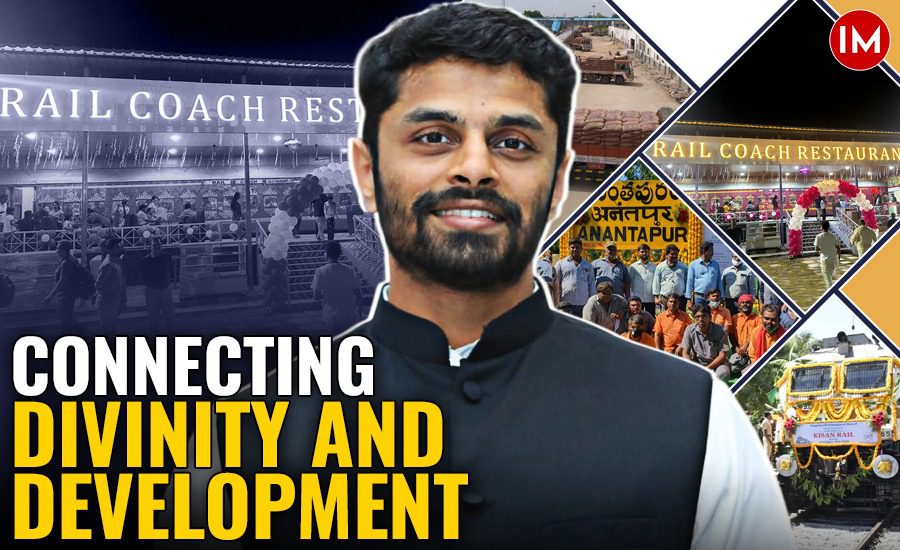
In the heart of Rayalaseema, where faith travels as much as freight, railways are not merely about movement—they are about meaning. Every day, thousands of pilgrims board trains with folded hands and quiet hopes, heading towards Tirumala, Mantralayam, Kadappa, and Ontimitta. For them, the journey itself is an act of devotion. And at the centre of this vast, invisible orchestration stands the Guntakal (GTL) Railway Division—working silently, tirelessly, ensuring that divinity remains accessible.
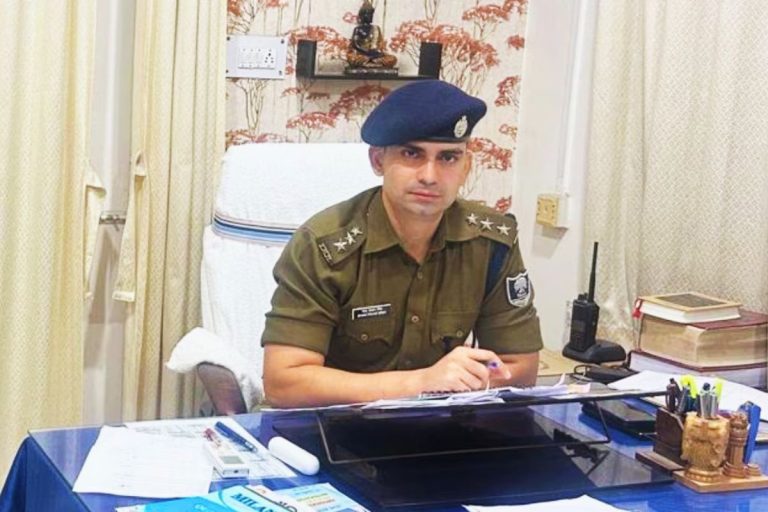
At the helm of this transformation is IRTS officer Mr. Manoj Kumar, Senior Divisional Commercial Manager (Sr. DCM), Guntakal Division, whose approach blends operational rigour with a deeply human understanding of service. Speaking to Indian Masterminds, Mr. Kumar offers a rare glimpse into how faith, efficiency, and reform intersect on one of Indian Railways’ most complex divisions.
RAILWAYS AS A BRIDGE TO DIVINITY
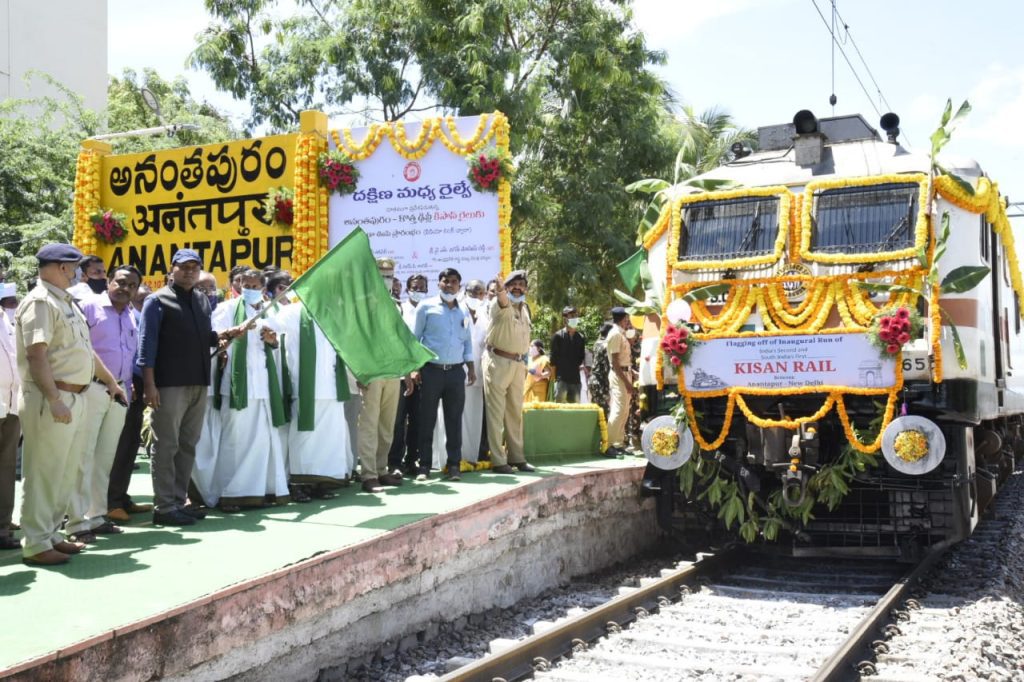
The GTL Division occupies a unique place on India’s railway map. Situated on the strategic Chennai–Mumbai route, it services the cement-rich Rayalaseema belt while simultaneously managing one of the country’s heaviest pilgrimage movements. Over 70 percent of pilgrims to Tirumala reach by train—and nearly 90 percent of them come from humble backgrounds, relying on affordable rail connectivity.
“For us, this is not just transport,” says Mr. Kumar. “This is about connecting people to their faith. Service to mankind is service to God—and that belief guides our entire team.”
Festival seasons test this commitment most sharply. As the rest of the country celebrates with family, railway staff at Guntakal often sacrifice holidays, working long hours in stations, control rooms, and tracks—ensuring a seamless spiritual journey for millions.
PRODUCTIVITY WITHOUT PRESSURE
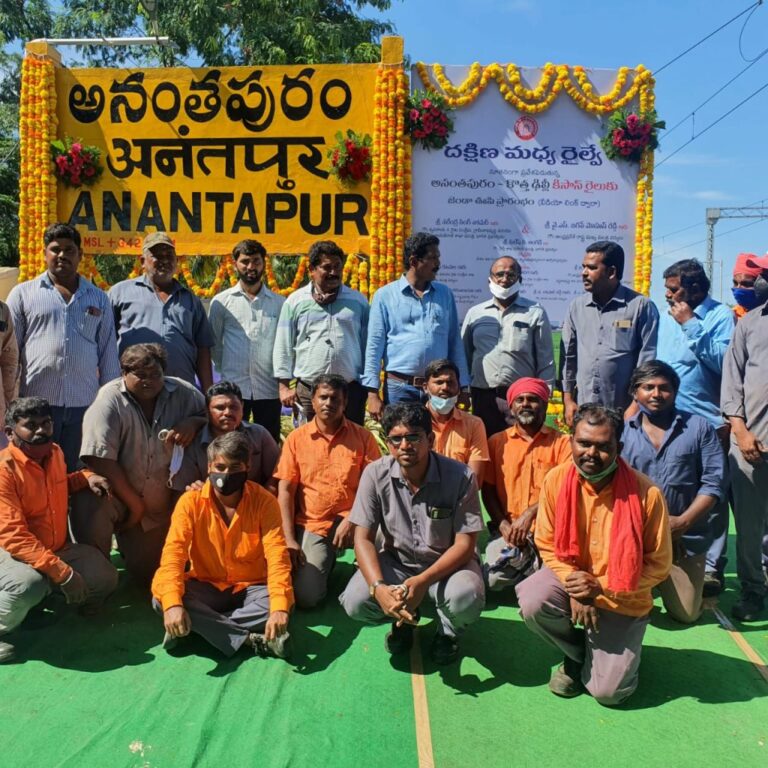
Human resources are one of the biggest cost centres for Indian Railways. Yet, over the past two years, GTL Division has achieved a remarkable 30 percent improvement in manpower productivity—without overburdening its workforce.
The change came through a mix of technology and cultural reset. The introduction of Hand Held Terminals (HHTs) for train manning staff replaced cumbersome manual systems with smart, real-time digital operations. But technology alone was not enough.
“We focused on easing the burden, not increasing it,” Mr. Kumar explains. “Alongside technology, we used thoughtful human resource strategies to overcome inertia and build ownership.”
The result: better customer service, lower operational costs, and improved morale—proving that efficiency and empathy can coexist.
FROM TRANSPORTER TO LOGISTICS PARTNER
Under Mr. Kumar’s leadership, GTL Division underwent a quiet but decisive strategic shift—from being a traditional railway transporter to positioning itself as a comprehensive logistics solution provider.
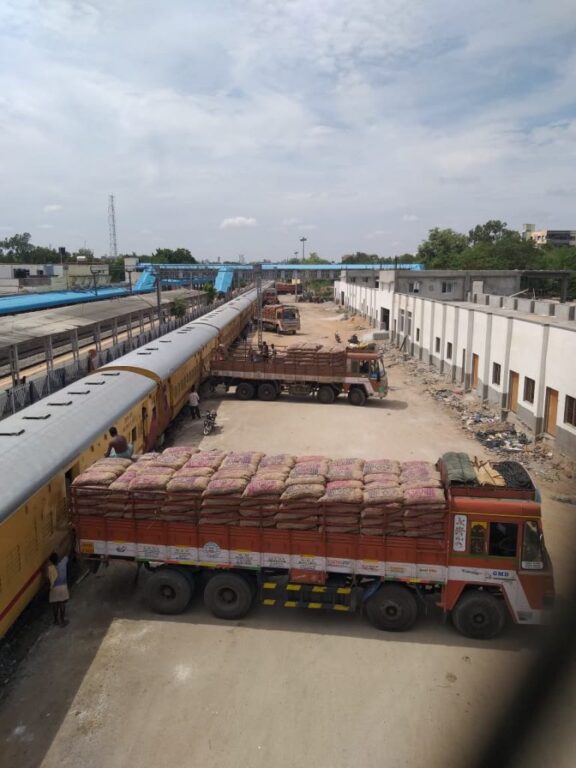
This shift delivered tangible outcomes. Parcel traffic grew by 36 percent year-on-year, with GTL now contributing 38 percent of the entire zonal parcel traffic, up from just 15 percent in 2023. Similarly, non-fare revenue rose by 20 percent, as idle railway assets were creatively monetised.
The secret lay in moving from rule-based rigidity to role-based interpretation of policies, and from customer-centricity to customer advocacy—actively anticipating needs rather than merely responding to them.
FREIGHT, FARMERS AND FUTURE MARKETS
Customer-focused interventions also led to a 25 percent year-on-year growth in freight traffic, while grievance redressal mechanisms were strengthened—resulting in a 15 percent improvement in customer satisfaction.
But perhaps the most transformative vision lies ahead. GTL Division is currently upgrading 17 stations to world-class standards and modernising 20 goods sheds to meet evolving market demands.
STATIONS AS CITY CENTRES, GOODS SHEDS AS GROWTH HUBS
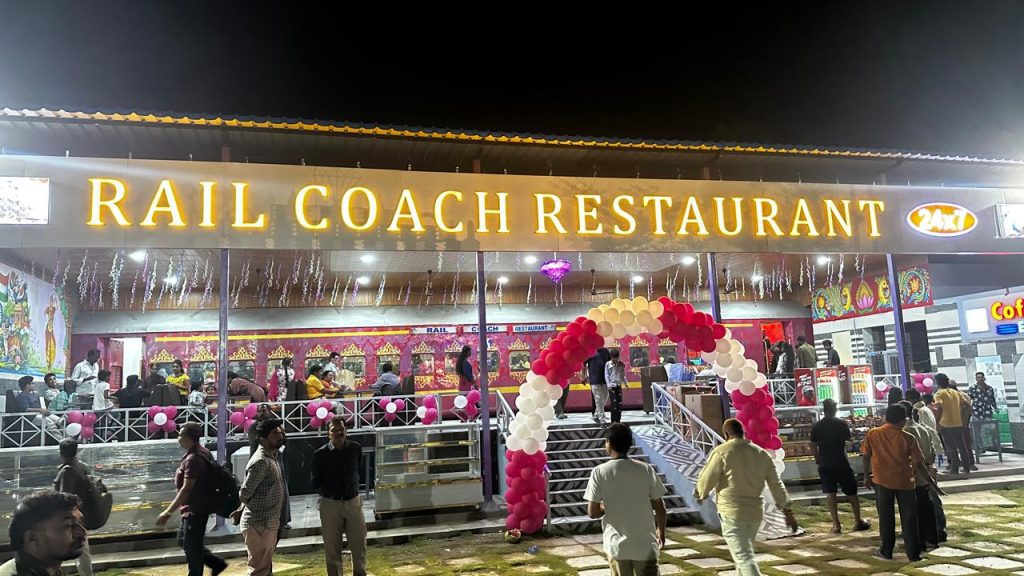
Mr. Kumar envisions stations as vibrant urban anchors—not mere transit points. Guntakal station itself now boasts a coach restaurant, open-air theatre, play zones, and drive-in commercial spaces, with plans for further amenities like swimming pools—an ambitious vision for a modest town.
On the freight side, goods sheds are being reimagined as regional economic engines. At Tadipatri, GTL Division is developing an intermodal hub for horticulture farmers, enabling them to transport produce efficiently to JNPT Port and Delhi markets, ensuring better prices for perishable goods. Collaborations with the state government for warehousing and value-added facilities are already underway.
A SYSTEM THAT NEVER SLEEPS
What keeps a railway administrator awake at night?
“The system itself,” Mr. Kumar reflects. “Railways work round the clock. It’s metamorphic—always evolving. There’s progress, but always miles to go.”
Driven by a redefined motto—from “Serving Customers with a Smile” to “Ensuring a Smile on the Customer through Service”—Guntakal Division continues its journey forward.
Quietly. Relentlessly. And with faith on every track.