20 November 2026
ADVERTISEMENT
ADVERTISEMENT

Let There Be Darkness: A Cinematic Crusade Against Light Pollution

2011 batch IPS officer Dyutiman Bhattacharya has made a documentary named ‘Let There Be Darkness’ The documentary is based on four compelling aspects of light pollution The documentary has received two awards at a film festival in Florence and is currently being screened at a festival in Vila Real, Portugal
Indian Masterminds Stories

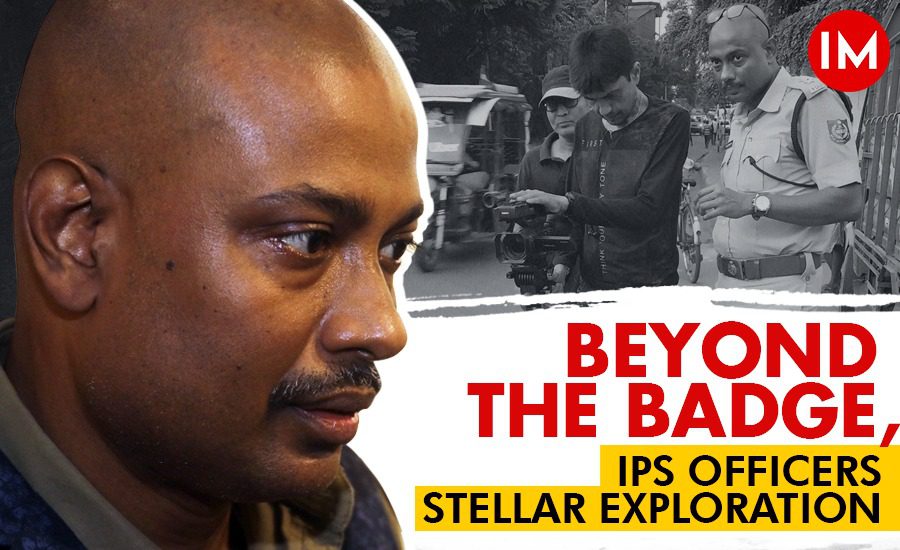
Amidst the rhythmic chaos of daily life, resides a man in khaki whose multifaceted persona transcends the realm of law enforcement. Meet 2011 batch IPS officer Dyutiman Bhattacharya, the man behind the thought-provoking documentary, “Let There be Darkness.” Beyond the corridors of justice and order, Mr. Bhattacharya is a film enthusiast, actor, writer, illustrator, graphic novelist, wildlife photographer, and a dedicated runner.

Speaking to Indian Masterminds, Mr. Bhattacharya, who is posted as SP, Cooch Behar, shared about his documentary.

LET THERE BE DARKNESS

For Mr. Bhattacharya, the love affair with film-making began long ago. With a passion for the big screen and a penchant for documentaries, he embarked on a cinematic journey that would shed light on a subject often overlooked – light pollution. ‘Let There be Darkness’ is not his cinematic debut; he previously ventured into the world of cinema with a documentary on metal workers in 2006. However, this time, the lens turned towards the skies, unveiling a celestial symphony drowned by the cacophony of city lights.

The 18-minute documentary, crafted over six months with a budget of Rs. 50,000, is more than a visual masterpiece. It’s a poignant exploration into the detrimental effects of light pollution on our environment, wildlife, human health, and aesthetics. As Mr. Bhattacharya passionately describes, “The stars are diminishing because of the city lights. Darkness is required so that we can understand the effect of light.”

The documentary has received two awards at a film festival in Florence, Italy and is currently being screened at a festival in Vila Real, Portugal.

FOUR ASPECTS

‘Let There be Darkness’ unfolds in four compelling aspects of light pollution. Firstly, the documentary captures the nostalgia of a starry sky, a luxury lost to urbanization. The stars and the milky way, once visible from city landscapes, now fade into oblivion under the relentless glow of artificial lights.

Secondly, the impact on fauna is starkly portrayed. Nocturnal creatures like crows, confused by perpetual illumination, disrupt the natural rhythm of day and night.

The third facet delves into the repercussions on human health. The constant glow of LED lights disrupts sleep patterns, affecting the well-being of the people.

illuminated insects in the streets

While discussing about the fourth aspect aesthetics, Mr. Bhattacharya notes, “Rabindranath Tagore said, ‘Light is not an end; even darkness has its beauty.'”

The documentary features insightful interviews with amateur astronomer Biswarup Ray, environmental scientist Dr. Swati Nandi Chakraborty, art historian Debdutta Gupta, and microbiology professor Dr. Ranjan Basu. Each expert sheds light on the diverse consequences of light pollution.

CHALLENGES

Shooting ‘Let There be Darkness’ came with its set of challenges, particularly capturing the myriad artificial lights omnipresent in our lives. Night shoots and capturing birds in the dark demanded a skilled crew and specialized equipment.

Fireflies

Yet, Mr. Bhattacharya’s commitment extends beyond the camera lens. A marathon runner, an illustrator for books, and a wildlife photographer, he seamlessly juggles his diverse pursuits. Asked about this balancing act, he reveals, “I don’t do all this every day. It’s about passion and commitment.”

In a reflective conclusion, Mr. Bhattacharya emphasizes the urgency of addressing pollution and climate change. “We are losing biodiversity and animals at a rapid rate. This is a fight against time; if only we can borrow some time through our good deeds.”


Indian Masterminds Stories
Join our WhatsApp Channel
ADVERTISEMENT
ADVERTISEMENT
Related Stories
ADVERTISEMENT
ADVERTISEMENT
NEWS
AI Adoption Among India's MSMEs
Microsoft, NITI Aayog's Atal Innovation Mission Join Hands to Boost AI Adoption Among India's MSMEs
Indian Navy DSC A21
Make in India Milestone: Indian Navy Receives Indigenous DSC A21 to Boost Diving and Underwater Operations
NCL
NCL Director Ashutosh Dwivedi Inspects Amlohri Project, Reviews Mining and Coal Evacuation Operations
odisha-police 1
Odisha DGP Race Heats Up: Vinaytosh Mishra to Retire on Nov 30; Sanjeeb Panda, Sudhanshu Sarangi Among Front-Runners
Haryana gov resized
Haryana Govt Transfers 3 IAS, 1 HCS Officer; A Mona Sreenivas Gets Additional Charge of Rohtak
MHA Logo
MHA Replaces 2003 DANICS Rules; Fixes 476 Posts, Introduces 50:50 Entry Grade Recruitment
Madhya Pradesh DGP
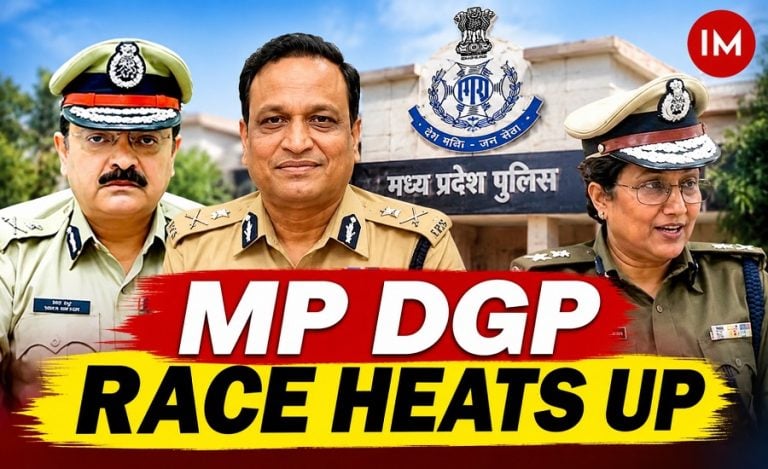
Madhya Pradesh DGP Race Heats Up: UPSC Recommends 3 IPS Officers, CM Mohan Yadav to Make Final Call
Pushkar Singh Dhami Meets PM Modi
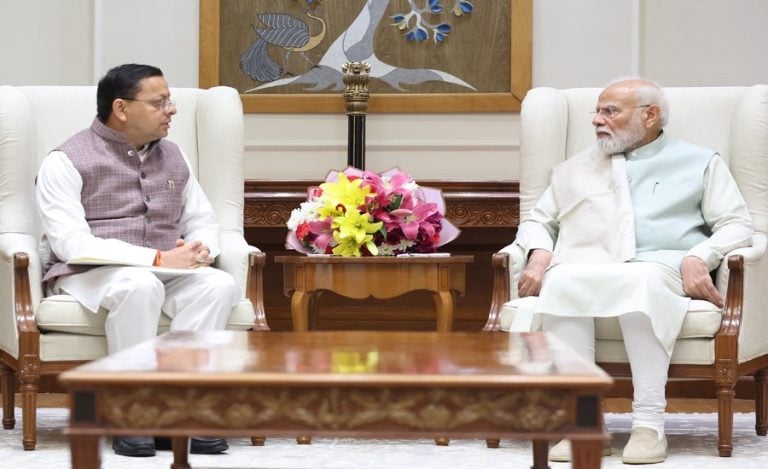
Uttarakhand CM Pushkar Singh Dhami Meets PM Modi, Seeks Support for Kumbh-2027 and Major Infrastructure Projects
ADVERTISEMENT
ADVERTISEMENT
Videos
Five years after Kargil, India sent its cricketing heroes to Pakistan where terrorism posed a deadly threat. The man guarding them, former Special Director of Intelligence Bureau, Mr. Yashovardhan Azad, reveals what all went behind the scenes during that crucial tour. 
Trust No One, Said His Instinct in Pakistan
Gajendra Singh Shekhawat
How India Plans to Boost Tourism, Create Jobs and Ease Overcrowding : Gajendra Singh Shekhawat on the Road to 2047
Dr Saket Badola IFS
Beyond Tigers and Safaris: How Corbett Literature Festival Wants to Change the Conservation Conversation
ADVERTISEMENT
UPSC Stories
Mayank Gurjar
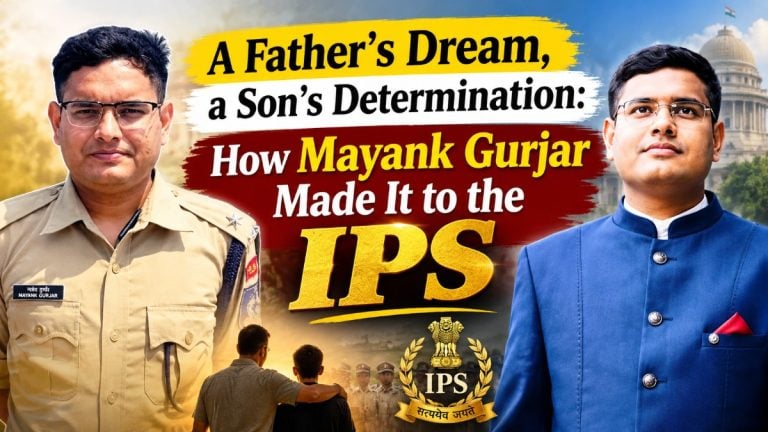
He Lost His Father in Class 12, Then Cleared UPSC in One Attempt to Become an IPS Officer
After losing his father in Class 12, Mayank Gurjar held on to his dream of public service, graduated...
Gautam UPSC
He Studied at 4 AM in a 10×10 Mumbai Slum Room; Today, Gautam Padibhar is an Indian Forest Service Officer
Meet IFS officer Gautam Padhibhar, a 2023-batch Chhattisgarh cadre officer who rose from financial hardship...
Aniket Sagar ICoAS
No Coaching, Full-Time Job and Two Attempts: How Aniket Sagar Cleared ICoAS
Aniket Sagar, a chartered accountant from Bundelkhand, cleared UPSC ICoAS 2025 after working at PwC,...
CSR NEWS
mdl
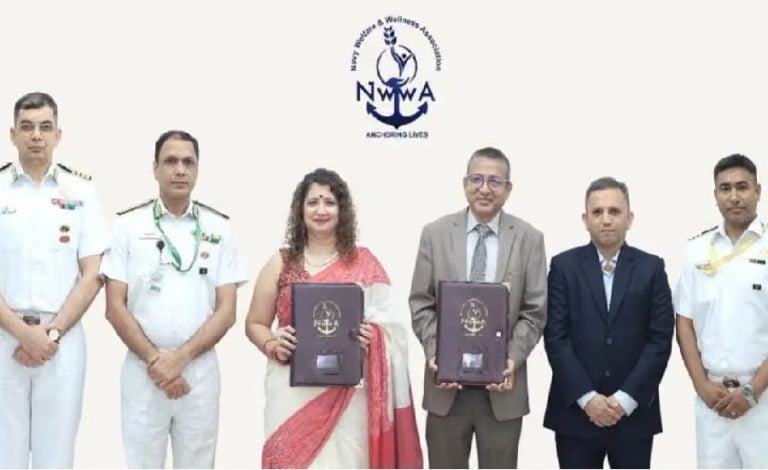
MDL Signs CSR MoUs with NWWA to Support Healthcare and Education for Naval Families
Partnership Covers Medical Equipment for Family Medical Centre, Educational Welfare of Children of Naval...
NBCC CSR Medical Equipment
NBCC India Hands Over CSR-Sponsored Medical Equipment to Mokokchung District Hospital in Nagaland 
The CSR initiative aims to improve medical infrastructure at the district hospital, which serves patients...
Coal India CSR Programme
Coal India Organises CSR Programme to Align Mining Operations with Community Development 
Initiative Aims to Strengthen CSR Implementation in Coal-Bearing Regions and Improve Community Well-Being...
ADVERTISEMENT
ADVERTISEMENT
ADVERTISEMENT
Latest
AI Adoption Among India's MSMEs
Microsoft, NITI Aayog's Atal Innovation Mission Join Hands to Boost AI Adoption Among India's MSMEs
Indian Navy DSC A21
Make in India Milestone: Indian Navy Receives Indigenous DSC A21 to Boost Diving and Underwater Operations
ADVERTISEMENT
ADVERTISEMENT
ADVERTISEMENT
ADVERTISEMENT
ADVERTISEMENT
ADVERTISEMENT
ADVERTISEMENT
Videos
Five years after Kargil, India sent its cricketing heroes to Pakistan where terrorism posed a deadly threat. The man guarding them, former Special Director of Intelligence Bureau, Mr. Yashovardhan Azad, reveals what all went behind the scenes during that crucial tour. 
Gajendra Singh Shekhawat
Dr Saket Badola IFS
ADVERTISEMENT
ADVERTISEMENT