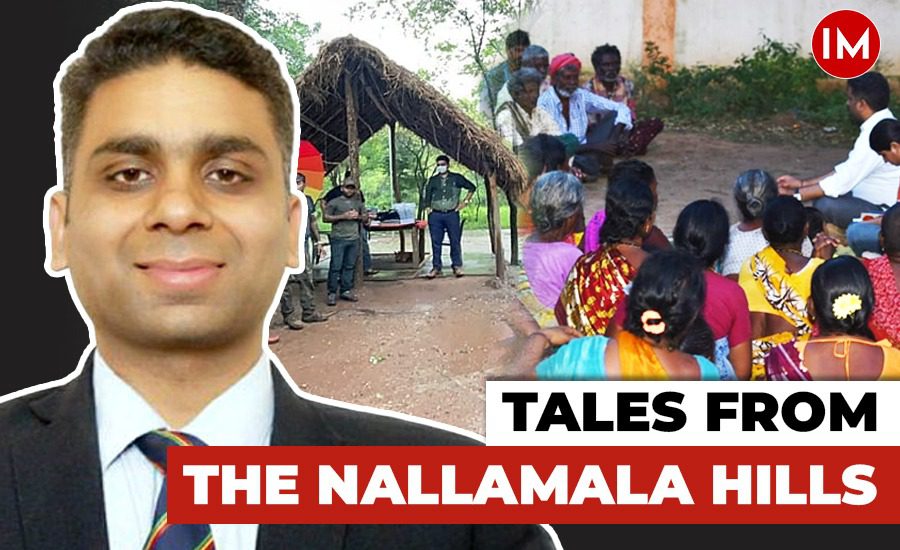
In the Eastern Ghats of Andhra Pradesh, the Nallamala hills tell a remarkable story of conservation, resilience, and partnership. This is the story of the Chenchus, one of India’s Particularly Vulnerable Tribal Groups (PVTGs), whose deep connection to their ancestral lands has not only preserved their way of life but also played a crucial role in reviving the tiger population in India’s largest tiger reserve.
Speaking with Indian Masterminds, 2018-batch IFS officer Vineet Kumar, currently posted as the DFO in Anantapur, Andhra Pradesh, shared details about the tribes and their role in tiger conservation.
The Chenchus: Protectors of Tradition and Nature
The Chenchus are the original inhabitants of the Nallamala hills. Living a life largely untouched by modernity, they embody a harmonious balance with nature. Unlike many tribes across India that have transitioned to mainstream lifestyles, often to the detriment of their traditional habitats, the Chenchus have maintained their sustainable practices and deep-rooted ethos of forest and wildlife conservation.
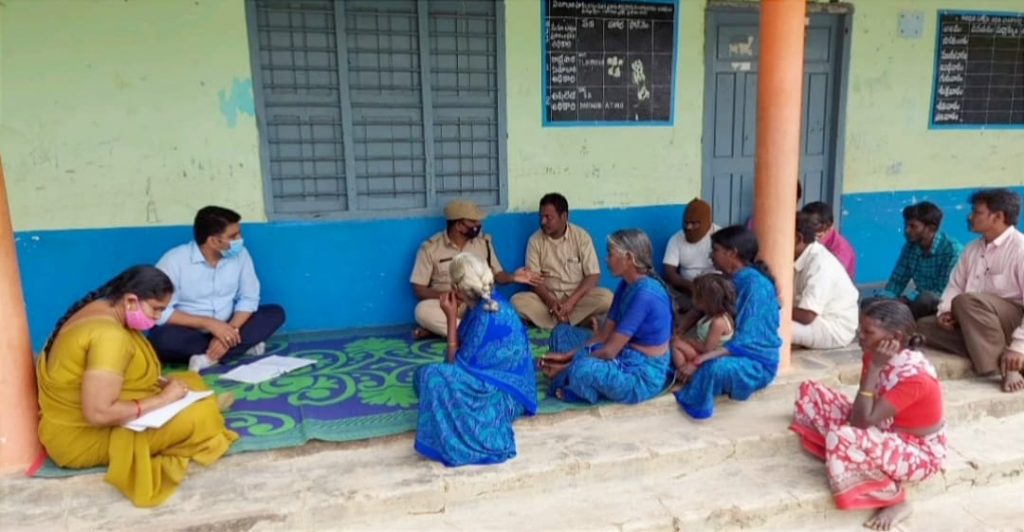
“Their intimate knowledge of the forests, wildlife, and survival skills has made them invaluable allies in the fight to protect the rich biodiversity of Nallamala. Despite being better connected to the outside world now, their lifestyle remains sustainable, with a minimal impact on the environment,” Mr. Kumar shared. This unique position has enabled them to contribute significantly to the conservation efforts led by the Andhra Pradesh Forest Department.
Early Days
The collaboration between the Chenchus and the Forest Department began in the late 1990s and early 2000s. At this time, the department started to monitor the areas more closely, recognizing the invaluable insights and skills that the Chenchus could bring to tiger conservation. Initially, only a few Chenchus were engaged as tiger trackers. Their primary task was to roam the forests, observe tiger signs, record them meticulously, and accompany forest staff during fieldwork.
These early efforts laid the foundation for a robust partnership, where both the Chenchus and the department became mutually dependent on each other for the conservation of tigers. The Chenchus’ role gradually expanded from mere tracking to a more comprehensive involvement in conservation activities.
Building a Network of Protection
In 2010, the Forest Department established base camps throughout the forests, where Chenchus were engaged as protection watchers. These camps served as the frontline defense against poachers and illegal activities. “The Chenchus, living in these camps, patrolled the forests daily, recorded wildlife signs using mobile applications, and maintained a vigilant watch against hunters and poachers,” Mr. Kumar explained.
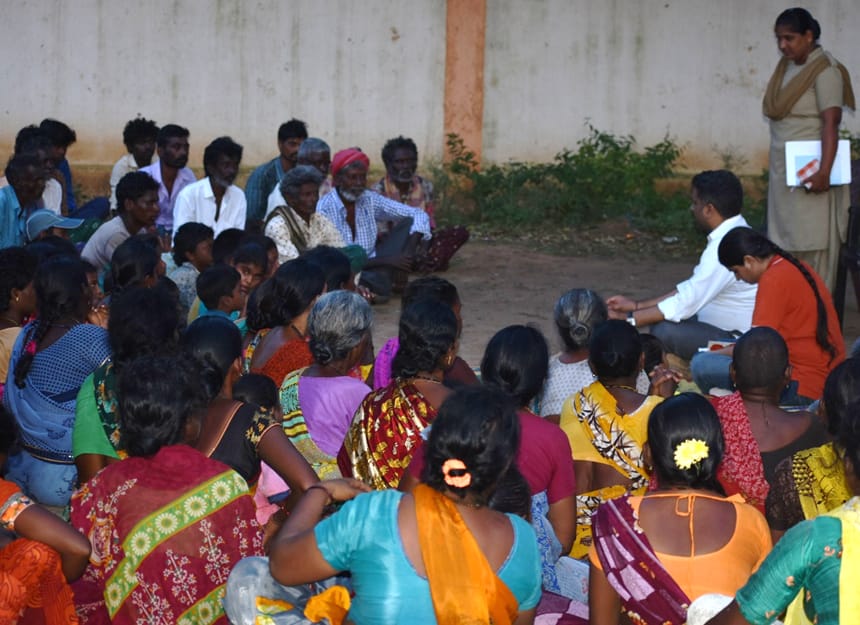
He further shared that transforming Chenchus, who were traditionally hunters and gatherers, into dedicated conservationists was no small feat. This transition was challenging, requiring immense dedication from several officers and field staff of the Forest Department. Yet, the mutual respect and trust built over the years helped overcome these challenges.
Chenchus: The Unseen Shield
The Chenchus’ profound knowledge of the forest and its inhabitants has been a critical asset in safeguarding Nallamala. Their efforts have led to numerous successes, such as the identification and arrest of a group of hunters from Chhattisgarh around a decade ago. Such incidents highlight the crucial role the Chenchus play in protecting the forest from external threats.
Their sustainable lifestyle, which traditionally does not involve hunting endangered species like tigers, has further bolstered conservation efforts. During the peak of Left-Wing Extremism (LWE) in the region, the Chenchus’ presence ensured that gaps in law and order did not result in harm to wildlife, a stark contrast to other regions where wildlife populations have suffered due to similar conflicts.
Training and Empowerment
The Chenchus’ journey from traditional hunters to modern conservationists has been facilitated by continuous training and capacity-building programs conducted by the Forest Department. “They have been trained to use various technological tools for monitoring wildlife, such as camera traps, the MSTrIPES application, and drones. Their traditional knowledge of the forests, combined with modern scientific methods, has created a powerful synergy for effective wildlife conservation,” Mr. Kumar told Indian Masterminds.
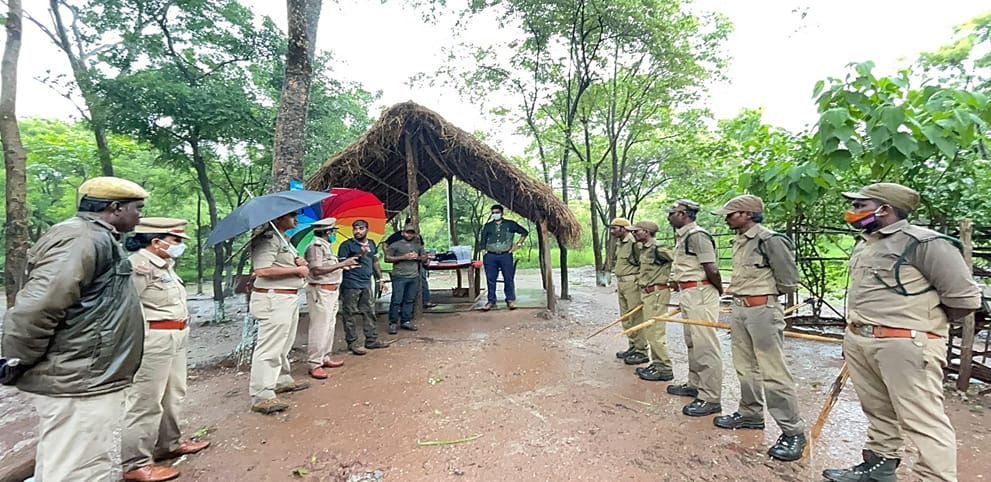
Regular visits by forest officers to the interior base camps have also provided opportunities for mutual learning and knowledge sharing. These interactions have further strengthened the bond between the Chenchus and the Forest Department.
A Model for Sustainable Conservation
The success of the Chenchus in Nallamala serves as a compelling model for other conservation efforts across India. Their involvement has not only led to a remarkable revival of the tiger population but also ensured the preservation of their unique cultural heritage. Today, the number of Chenchu protection watchers exceeds 600, underscoring their integral role in forest conservation.
“The Forest Department has supported the Chenchus through various welfare activities, including forestry works, minor forest produce collection, and livelihood training programs. Chenchus are now engaged as Swachh Sewaks for interior forest areas, trained in eco-tourism, and involved in various livelihood activities such as bag making and sewing.”
Personal Experiences and Insights
While sharing his experience with the Chenchu tribes, Mr. Kumar said, “During my working in Nallamala forests several times, I have patrolled with Chenchu watchers and have learned so many things, including forest routes, surviving in case of wildlife emergencies, being safe inside forests, etc. In one incident, I, along with 2 forest staff and 1 Chenchu watcher, almost patrolled for more than 25 km inside deep forests while losing our way, but got back safely because of the guidance of Chenchu watchers. While we feel lost inside the forest, they know the way out. This is just one example.”
As the Chenchus continue to adapt to new challenges and opportunities, their partnership with the Forest Department stands as a ray of hope for other conservation initiatives. The Chenchus’ self-motivation to protect their homeland, supported by the department’s resources and training, ensures a sustainable future for the forests and wildlife of Nallamala.
In recognition of their remarkable contributions, a documentary titled “The Chenchus – Children of The Forests” has been made by IFS Vineet Kumar with his wife Rupak Yadav, showcasing the Chenchus’ way of life and their pivotal role in conservation.
The Chenchus’ journey from traditional forest dwellers to modern conservationists is a story of adaptation and commitment to their ancestral lands.