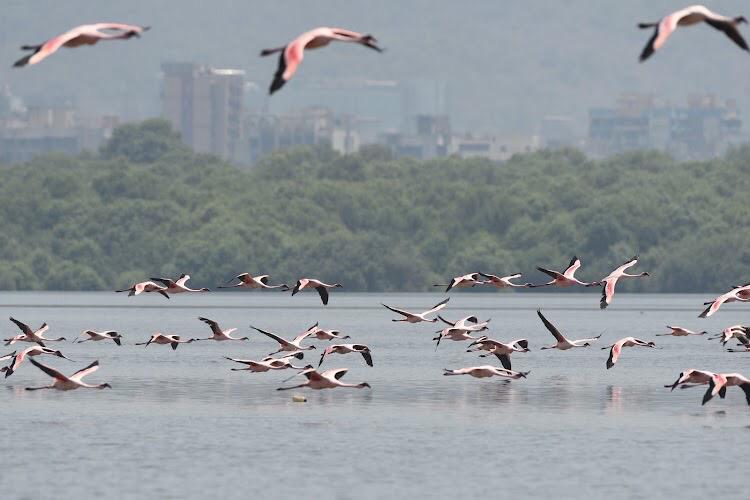
In Mumbai’s famous Juhu Beach, coconut seller Rakesh spotted a flamingo entangled in a sharp manjha thread, desperately trying to free itself, and ending up injuring itself more grievously. He immediately called a local NGO, which promptly rescued the bird.
In another incident, residents found a dehydrated Nilgai in a town in Thane district. The animal was in a state of shock. They immediately alerted the forest department which stabilised the animal. Both the flamingo and the Nilgai were later released back into their natural habitats in the Mumbai Metropolitan Region.
Such rescues exemplify the crucial role that communities play in wildlife conservation. They are often the first responders to a rescue call. And, if made more aware through periodic outreach sessions, communities can play a significant role in not just conservation, but also in minimizing human-animal conflicts.
WILDLIFE PART OF COMMUNITY
For most city dwellers, the terms ‘community living’ excludes wildlife. However, it is a fact that the community that regards wildlife as being an integral part of their ‘world’ will ensure a healthier future. This means encouraging preservation of lakes, wild or semi-wild spaces and zones which are devoid of permanent human settlements, thereby allowing wild animals to thrive in them.
Wildlife helps green a city naturally, giving residents a healthier, cleaner environment. In cities, kites and crows clean up organic waste spilling out of garbage bins. Barn owls and several species of snakes are natural pest controllers – hunting rats and other pests almost every day, cutting down chances of an infectious disease spread. The lizards and spiders, and the frogs and fish in our ponds and lakes, thrive on insects, including disease-carrying mosquitoes and flies.
ANIMALS ADAPT FAST
As cities expand, more pressure on wildlife population is imminent as their natural habitats shrink. Displacement has always been the primary cause for animal rescues. This is due to changes in land use, human activities and pollution of all kinds – light, sound, substance, and plastic. However, the good news is, many wildlife species have successfully adapted to the ways of the city, modifying what they consume and how they source food.
Senior IFS officer Ramesh Pandey, who is currently serving as IG Forests, MoEFCC, is full of optimism for urban wildlife conservation. Referring to a book he recently read, titled ‘Darwin Comes to Town: How the Urban Jungle Drive Evolution’, Mr. Pandey told Indian Masterminds that wildlife is not only surviving in urban landscapes but also evolving in cities in many ways.
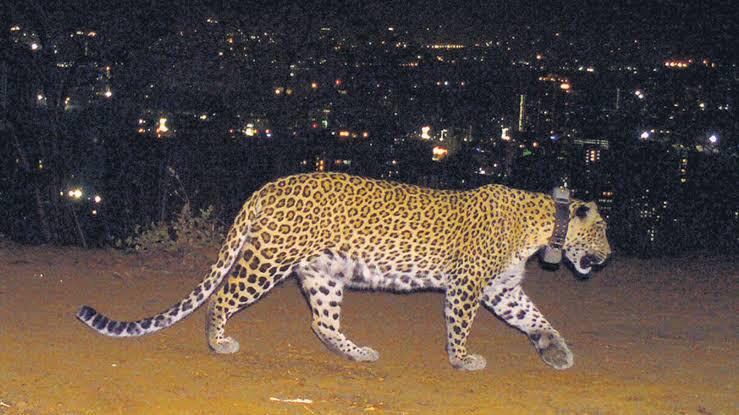
“It has been seen that many species have adapted themselves to adjust in the cityscapes and the noisy and illuminated city-life, and have survived. The species which have shown remarkable adaptations range from big cats and birds to micro faunal species,” he said.
This is evident in the capital Delhi, where the presence of other animals in and around the city has been recorded. Forested areas such as Sanjay Van, Asola Bhatti Wildlife Sanctuary and Yamuna Biodiversity Park are the prime places where one can spot wild animals.
ARE HUMANS READY?
But the question arises, is the urban population ready for peaceful co-existence with wildlife? Most people remain under the impression that wildlife belong to the jungles or forests, overlooking the fact that we have them right in our backyard.
WWF’s Living Planet Report 2020 had made an observation that in Bengaluru’s lakes, there had been a drop of over 70% of wetland bird species, both native and migratory, recorded across a 30 year period. This was observed in a lake that was once a suburban fringe locality, and is today at the heart of the city’s IT hub, surrounded by massive residential complexes.
THE WAY FORWARD
So, what is the way forward? Mr. Ramesh Pandey said, “Assessing the biodiversity of the cities and evaluating periodic changes in them can be undertaken. Biodiversity index of cities is also one of the parameters which can help in this direction. Use of technology to create awareness about reducing the noise and illumination levels in cities seems to be another important area to work on.”
Agreeing with his views, Pune City’s DCF, Tushar Chavan, IFS, said that animals can highly adapt to their surrounding and change their behaviour accordingly. “So, modern day urban wildlife conservation should be done by raising awareness among the locals about precautionary measures and support for conservation. They have to be made to understand that, now, we have to accept the presence of wildlife in urban areas and let them thrive.”
While Mumbai-based NGO, RAWW, that works in collaboration with the forest department, wants stricter enforcement by the authorities of the existing National Green Tribunal order on the manjha thread that is the cause of deaths of thousands of birds every year in the metro.
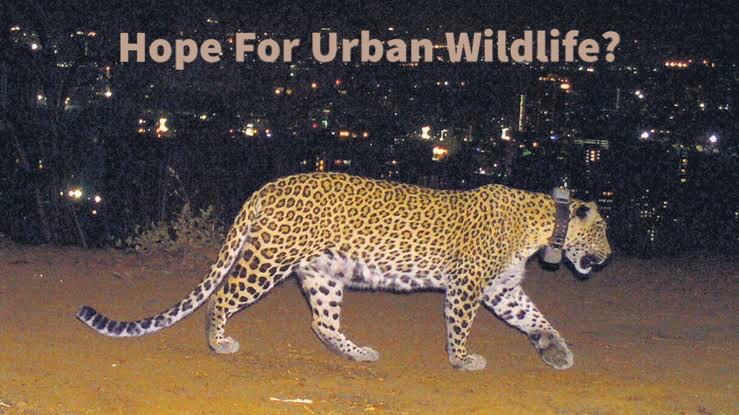
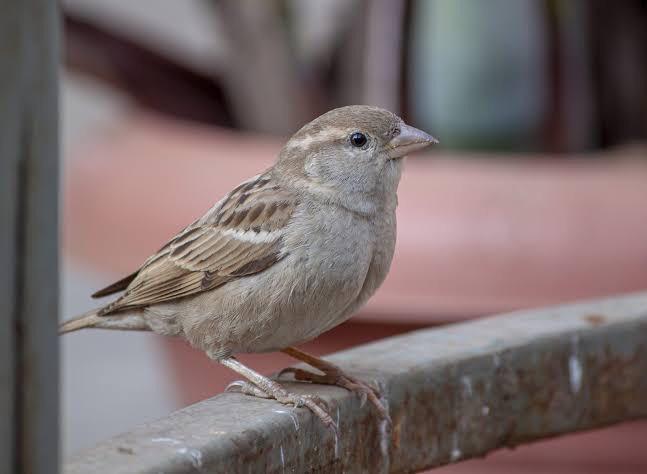
In addition to pigeons, crows, sparrows and kites, metros and cities are also home to average-sized mammals like the Indian Grey mongoose, Asian Palm civet, bat, and, of course, the big cat – leopard.
Only the awareness of such wildlife around us is likely to trigger a realisation among mega city dwellers that what they call home now was once natural forest dwelling places for birds and animals, which now have been replaced by concrete jungles.