What if safety was made easier than excuses?
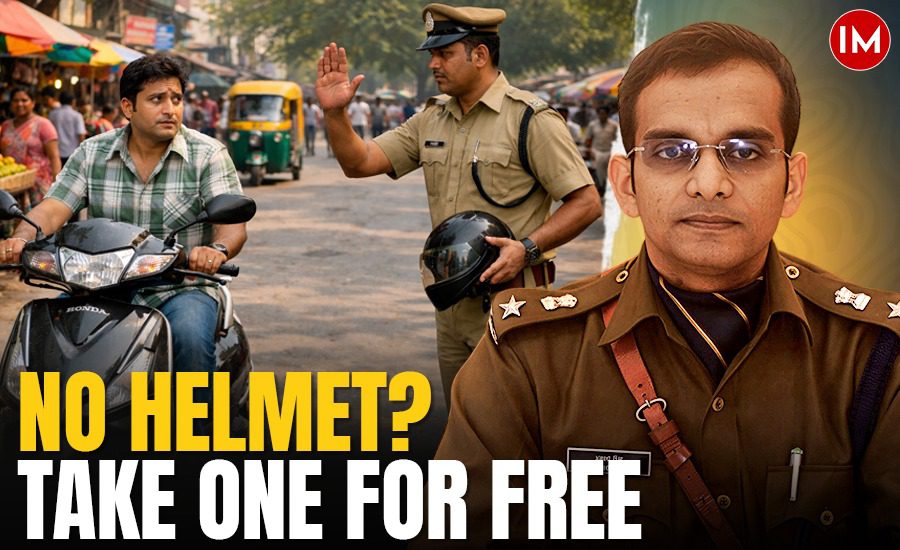
On the roads of Chhatarpur, Madhya Pradesh, a district where two-wheelers dominate daily movement, 2016 batch IPS officer Agam Jain noticed a familiar pattern. Accidents were frequent, enforcement was necessary, but excuses were constant.
“I forgot my helmet.”
“It was just a short distance.”
“I had to rush for work.”
Instead of responding only with challans and penalties, the Superintendent of Police asked a different question: what if people were given a helmet exactly when they needed one?
That question became the foundation of one of India’s most practical road safety initiatives: the Helmet Bank.
THE BIRTH OF THE HELMET BANK
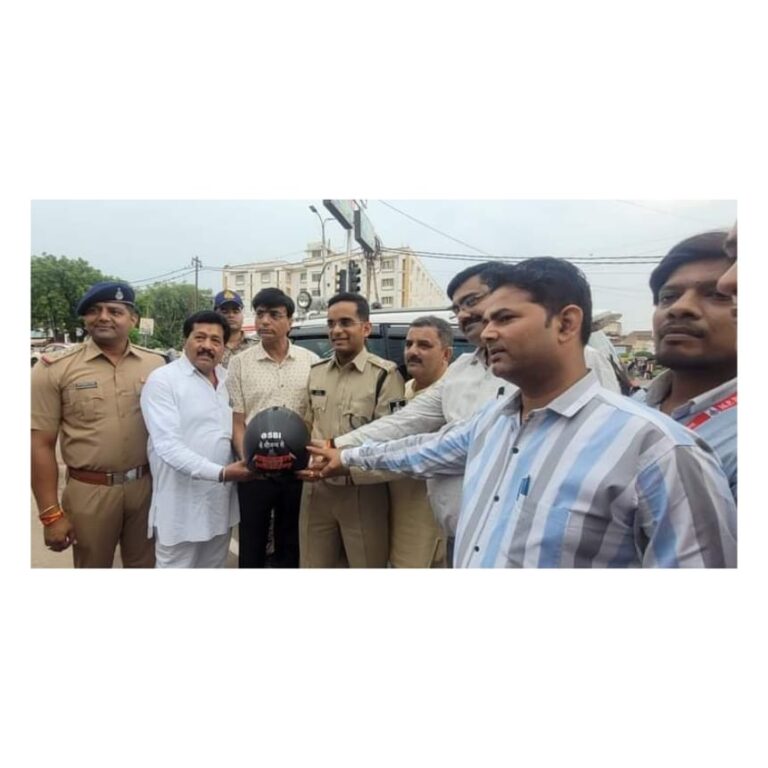
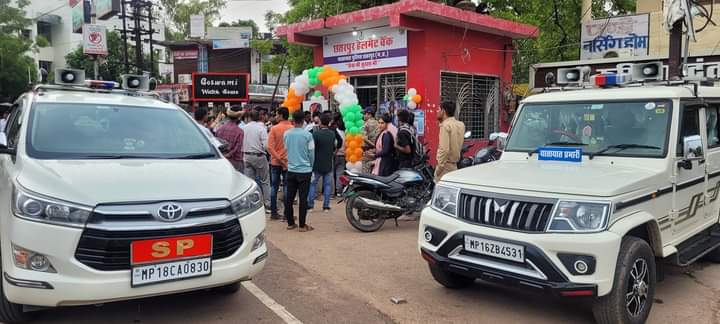
Chhatarpur Police launched what IPS Agam Jain describes as a people-first safety service. The idea was straightforward: if a two-wheeler rider is caught without a helmet due to urgency or forgetfulness, they can borrow a helmet free of cost.
The process is simple. Riders submit their vehicle registration number and Aadhaar details, take a helmet, complete their work, and return it within 24 hours. The service runs daily from 8 am to 10 pm.
“Many people don’t break rules intentionally. They step out in a hurry. We wanted to make sure that urgency doesn’t turn into injury,” Jain shared in an exclusive conversation with Indian Masterminds.
FROM ONE COUNTER TO A DISTRICT-WIDE NETWORK
The response was immediate… and overwhelming.
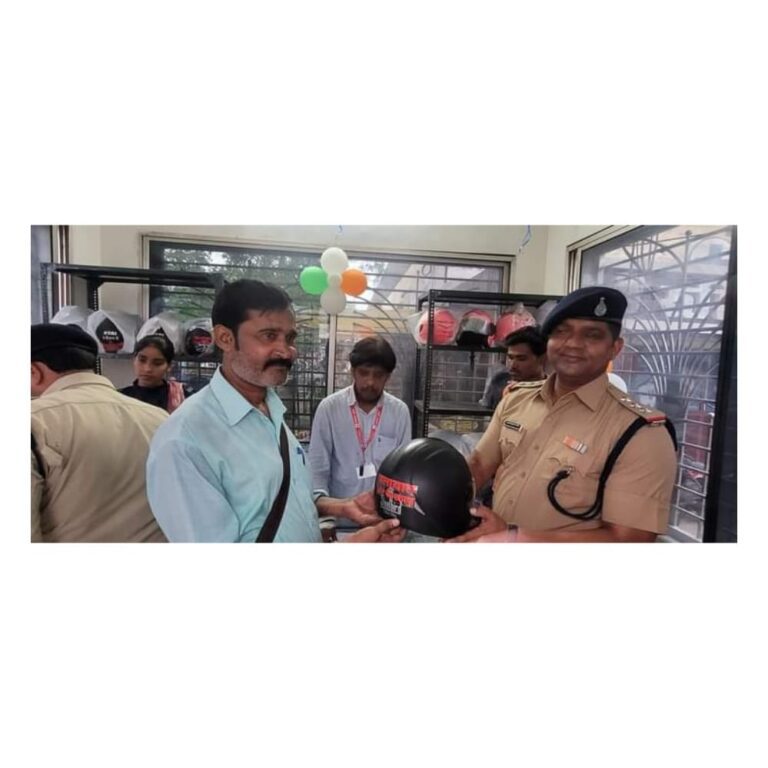
Within months, over 30,000 citizens had used the Helmet Bank. Encouraged by this, the police expanded the initiative by opening a second Helmet Bank unit at the bus stand police chowki, a high-footfall area where nearly 1,000 additional riders have already benefited.
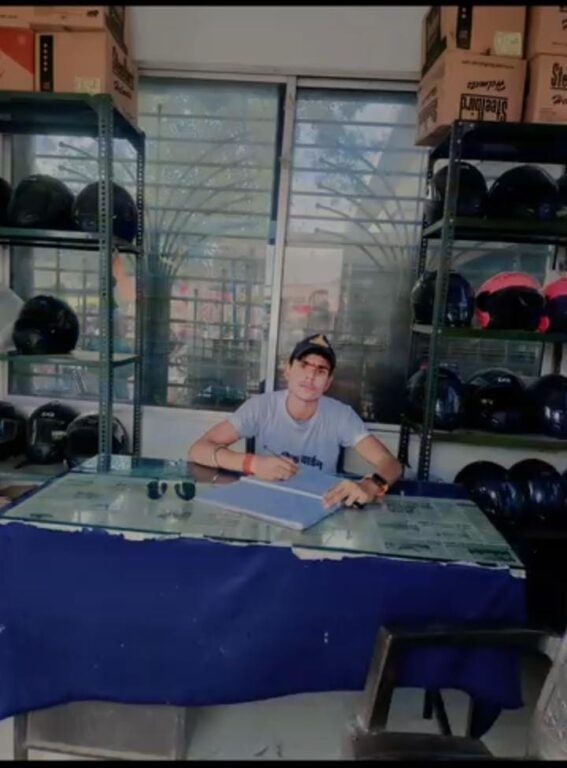
Today, the Helmet Bank maintains over 200 helmets, all managed by women traffic personnel and traffic wardens, making the initiative both efficient and inclusive.
FREE HELMETS AND AFFORDABLE OWNERSHIP
The initiative goes beyond borrowing.
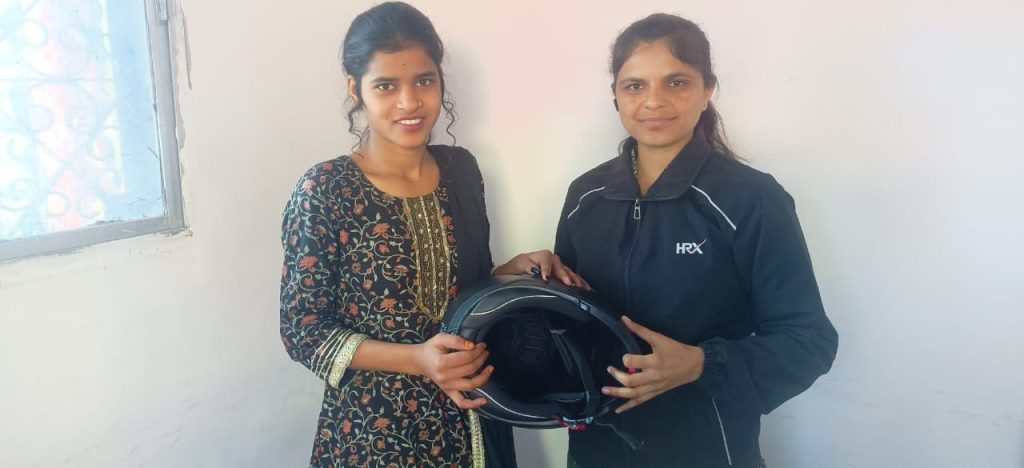
Riders who wish to own a helmet can purchase a good-quality ISI-marked helmet for around ₹500 directly from the Helmet Bank. The amount collected is not treated as revenue; it is reinvested entirely to buy more helmets.
“This way, the system sustains itself,” says Jain. “People get safe helmets at a lower cost, and we keep adding to the bank.”
As a result, monthly numbers climbed rapidly. At its peak, 2,000 riders a month began using the Helmet Bank, pushing the total beneficiaries towards 35,000–40,000.
ENFORCEMENT WITH EMPATHY
What makes the initiative striking is not just its scale, but its philosophy. The Helmet Bank was never meant to replace law enforcement; it was meant to reduce the need for punishment by encouraging safer behavior.
Police data began reflecting the change. Post-implementation, accident injury patterns showed a noticeable difference where helmet usage increased.
“Our focus was not just action. Our focus was prevention. A helmet on the head matters more than a challan in hand,” stated Jain.
TEACHING TRAFFIC, NOT JUST POLICING IT
The helmet initiative soon became part of a larger vision. IPS Agam Jain realized that awareness must start early, and must be practical.
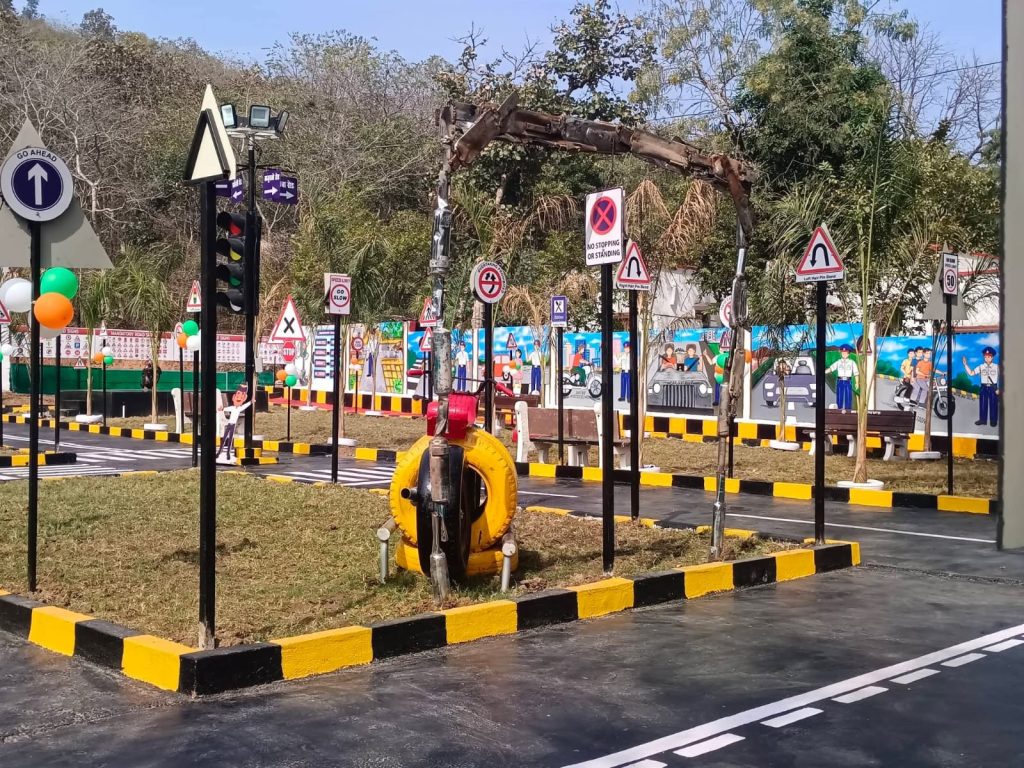
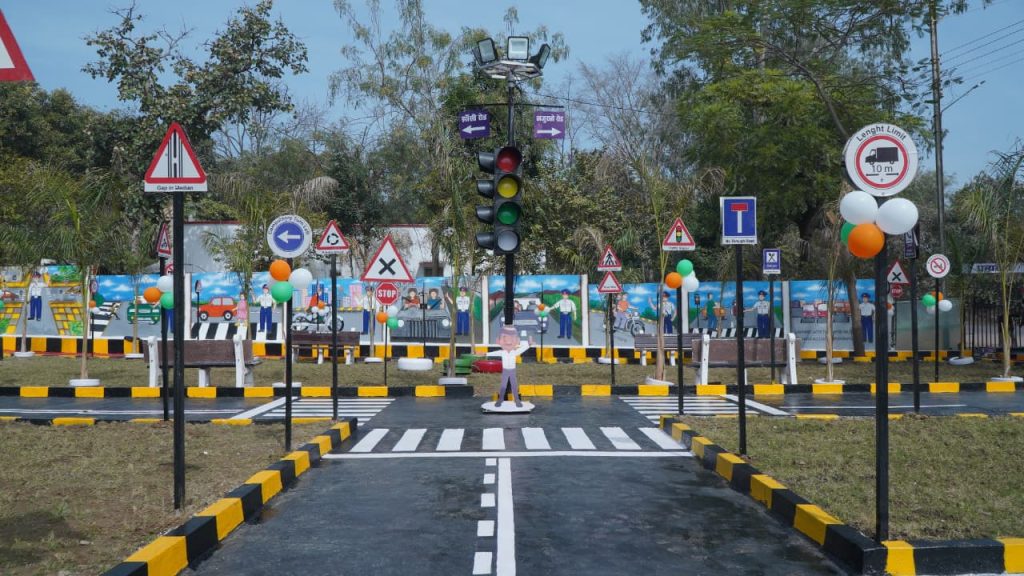
This led to the creation of Madhya Pradesh’s first active Traffic Park.
Built with realistic road layouts, lane markings, zebra crossings, dividers, signage, and speed indicators, the park allows children to physically walk through traffic situations rather than just hear about them in classrooms.
“Verbally explaining traffic rules has limits. When children walk on a mock road, see markings, stop signs, pedestrian crossings, it stays with them,” he told Indian Masterminds.
LEARNING BY WALKING THE ROAD
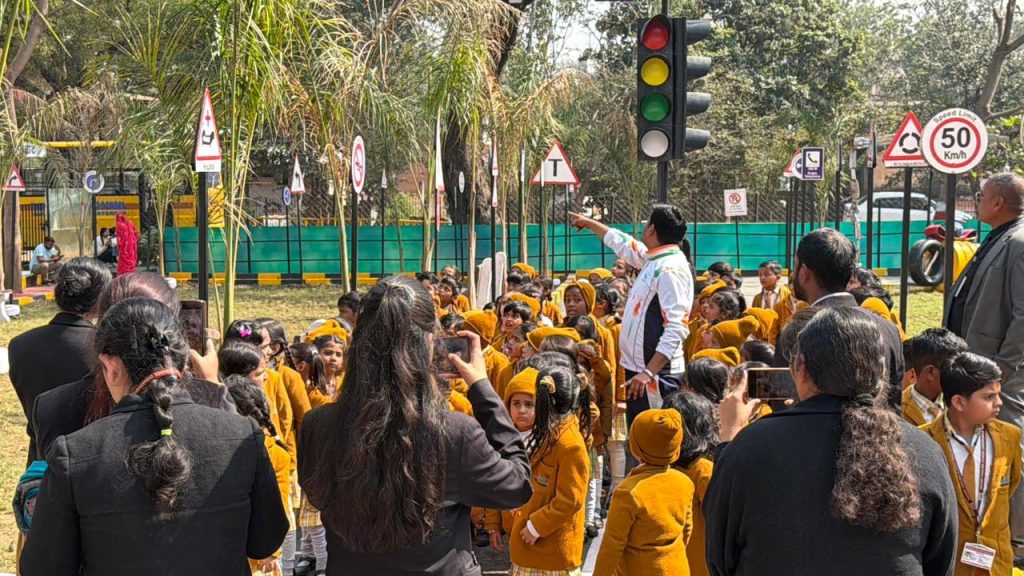
Inside the Traffic Park, students learn what broken lines mean, where overtaking is prohibited, why speed must be reduced near pedestrian crossings, and how signage silently guides drivers.
Many elements inside the park are created using recycled materials such as waste tyres, scrap, and discarded items, making it both educational and environmentally conscious.
The impact is visible. Earlier, police had to invite schools. Today, schools call the police themselves. Every day, 200–300 children, including very young students and families, visit the park.
A TRAINING SCHOOL FOR THE FUTURE
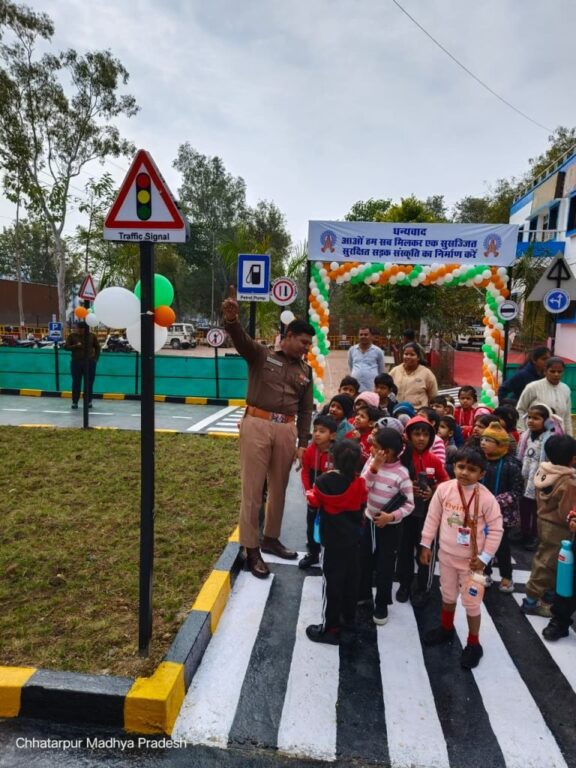
The district has also set up a traffic training centre where children are shown educational films, given structured sessions, and then taken to the Traffic Park for hands-on learning.
The approach has turned traffic education into an experience, something children discuss at home, question on roads, and carry into adulthood.
CHANGING HOW A CITY THINKS
Chhatarpur’s roads haven’t changed overnight, but the mindset has.
From two-wheeler riders who now ask for helmets instead of arguing, to children who identify road markings better than adults, the shift is steady and visible.
“We don’t want people to fear traffic police,” IPS Agam Jain says. “We want them to understand why rules exist, and follow them even when no one is watching.”
A MODEL ROOTED IN PRACTICALITY
What sets this story apart is not technology or scale; it is access, empathy, and everyday logic.
A helmet available when forgotten.
A road created inside a park for learning.
A police system that teaches before it penalises.
In Chhatarpur, road safety is no longer just enforced; it is shared, one helmet, one child, and one informed rider at a time.