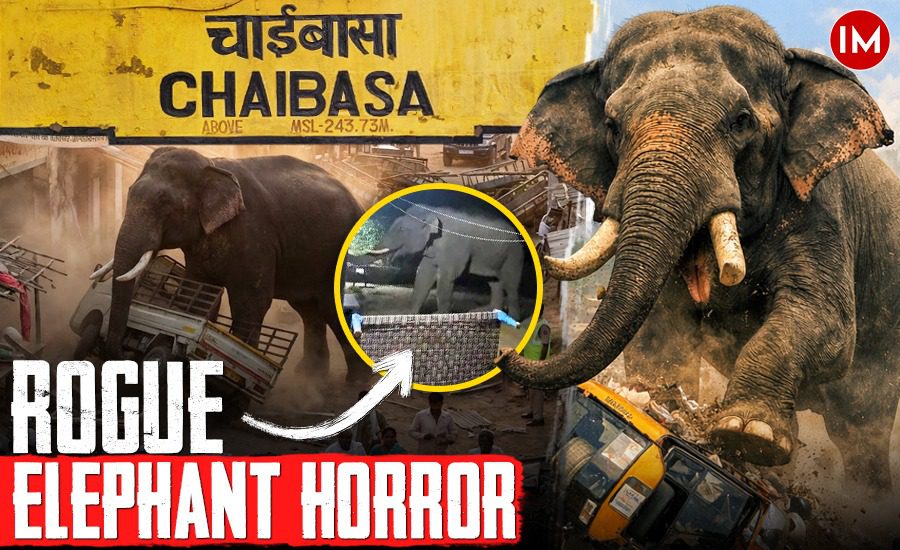
What began as the first dawn of the New Year turned into one of the deadliest human-wildlife conflicts Jharkhand has witnessed in decades. Between January 1 and January 9, 2026, a lone rogue tusker unleashed terror across forest-fringe villages of West Singhbhum district, killing at least 20 people, including children, elderly villagers, and even a forest department staffer.
The killings, spread across the Chaibasa and Kolhan (Phulan) forest divisions, have left more than 30 villages gripped by fear, forcing families indoors, night patrols by villagers, and an unprecedented mobilisation of forest officials. Even though the elephant has not been sighted for the past four days, authorities say the danger is far from over.
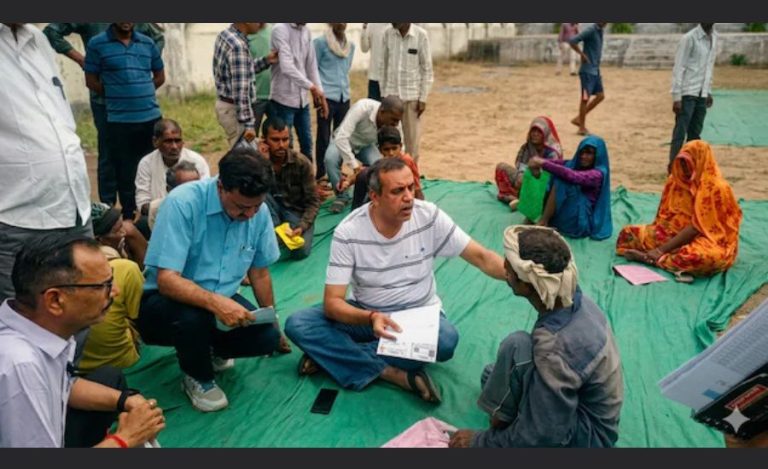
Indian Masterminds interacted with 2016-batch Indian Forest Service (IFS) officer Aditya Narayan, Divisional Forest Officer (DFO) of Chaibasa, to learn more about the issue, its origins, and how it is being addressed currently.
“At no point can we relax,” says Mr Narayan, who is leading one of the largest elephant-tracking operations the state has seen.
The Terror That Began on New Year’s Day
The elephant’s reign of terror began on January 1, 2026, when it trampled three people to death in the Chaibasa division in a single day. The victims were villagers aged between 35 and 57.
Two others were seriously injured the same day.
“This incident started on the 1st of the month,” DFO Narayan explained. “First, it killed three people in Chaibasa in one day, then it moved to Phulan division, caused casualties there, and later returned to Chaibasa.”
Over the next nine days, the elephant moved relentlessly between divisions, killing 13 people in Chaibasa and seven in Kolhan, taking the total death toll to 20.
When the Attacks Started: Death in the Dead of Night
Most of the attacks occurred late at night, typically between forest edges and agricultural fields. Villagers guarding paddy stored in fields and barns were among the primary targets.
“The tusker struck in the dead of night, mostly around forest fringes,” he said. “People were either sleeping or guarding crops. That made them extremely vulnerable.”
The most horrifying incident occurred on January 6, when the elephant crushed five members of a single family in Babaria village of Noamundi, including a husband, wife, and two young children, while they were asleep. One child narrowly escaped.
In another early attack, the elephant killed three members of a family, including children aged six and eight, underscoring the brutality of the rampage.
How Authorities Are Tackling the Crisis
The forest department has launched a round-the-clock, coordinated operation to trace and contain the rogue elephant under the leadership of IFS Narayan. Around 100 forest personnel, including four specialised teams and multiple Quick Response Teams, have been deployed, with officers camping inside forest areas and working in shifts. Drones and ground patrols are being used to track movement patterns, while teams monitor footprints and signs across forest fringes.
Experts from West Bengal and a Wildlife SOS team from Agra have been brought in to assist with tranquilisation and safe relocation once the elephant is located. “Our teams are working day and night, responding to every input we receive,” Mr Narayan said. “The priority is to prevent further loss of life and resolve the situation safely.”
Why Did the Elephant Turn Rogue?
Experts believe the elephant is a lone male in musth, a periodic condition marked by heightened aggression and surging reproductive hormones. Forest officials also suspect it became violent after being separated from its herd.
“Right now, we don’t have a confirmed reason,” IFS Narayan admitted. “Even veterinarians and experts are unable to determine why it has become so aggressive because we don’t have photographic evidence.”
The tusker’s speed has worsened the crisis. According to officials, it was covering nearly 30 kilometres a day, constantly changing direction.
“You can’t pinpoint and trace an elephant like this,” Narayan said. “It moves continuously, and this elephant moves very fast.”
A Region Frozen in Fear
As the killings mounted, fear spread rapidly across Majhgaon block, including Benisagar, Khadpos, Noamundi, Lampaisai, Bara Pasiya, and Hatgamharia areas.
Villagers altered their daily lives drastically:
- Families stayed indoors after sunset
- 15–20 people slept together in single concrete houses
- Women and children were sent to safer locations
- Men stood guard all night with torches and flashlights
“People are terrified, especially for children and the elderly,” he said. “We have urged residents to avoid forested and fringe areas completely.”
From Where Did It Come? A Mystery Still Unsolved
Despite days of combing operations, officials have been unable to determine where the elephant originated.
“This happened only at night,” Mr Narayan explained. “You cannot say from which side it came. It keeps moving. It’s very difficult to say.”
The affected areas fall within the Saranda forest belt, home to the largest Sal forest in Asia, bordering Odisha – making cross-border movement possible.
The Officer at the Frontline: Aditya Narayan Leads the Fight
As panic spread, IFS officer Aditya Narayan coordinated a massive response.
“After the 9th, we deployed all the manpower we had,” he said. “All our Quick Response Teams, teams from neighbouring divisions, everything was pooled here.”
Key Measures Taken:
- Formation of four specialised tracking teams
- Round-the-clock Quick Response Teams (QRTs)
- Camps set up inside forest areas
- Drones deployed for aerial surveillance
- Expert teams called from Bankura and Jhargram (West Bengal)
- Wildlife SOS team from Agra brought in for tranquilisation expertise
“Our teams are deployed all night,” he said. “We have set up camps in the field. Whatever information we receive, we move immediately.”
Now Where Has the Elephant Gone?
For the past four days, there have been –
- No sightings
- No fresh attacks
- No damage to life or property
“There has been no sighting of it for the past four days, nor any incidents,” Narayan confirmed.
“But even so, we are continuously monitoring and tracking it day and night.”
Officials believe the elephant may be hiding deep inside dense forest, waiting for an opportunity to re-emerge.
“It has completely stopped for now,” Narayan said. “It’s very difficult to say where it is.”
What Happens If It Is Caught?
Forest officials plan to tranquilise and relocate the elephant to a safer habitat, following standard procedures.
“We will take it to another safe place,” Narayan said. “We have our method, and our specialist team is here.”
On the possibility of neutralising the elephant, he clarified that such a decision would require orders from the Chief Wildlife Warden, following a lengthy legal process.
A Larger Crisis: Human-Elephant Conflict in Jharkhand
The tragedy highlights a broader crisis –
Nearly 1,300 people have died in elephant attacks in Jharkhand over the past 23 years, according to the Wildlife Institute of India. Across India, 80 wild elephants were killed in train accidents between 2020–21 and 2024–25.
In late December, eight elephants were killed by a passenger train in Assam. “This incident is unprecedented,” Narayan said. “I don’t remember seeing anything like this in the recent past.”
More Than 30 Villages Still on High Alert
Despite the lull, around 30 villages, especially those bordering Odisha, remain on high alert. Sensitive zones include:
- Benisagar
- Khadpos
- Noamundi border areas
- Cashew plantation belt near Odisha
Forest patrols continue day and night.
“We cannot let our guard down,” Narayan said firmly. “The safety of people is our priority.”
An Uncertain Calm
For now, West Singhbhum is experiencing an uneasy silence. The elephant that turned a New Year celebration into mourning has vanished — but not from people’s minds.
Until it is traced, tranquilised, or safely relocated, fear lingers in the forests of Chaibasa, and the vigil led by IFS officer Aditya Narayan continues without pause.