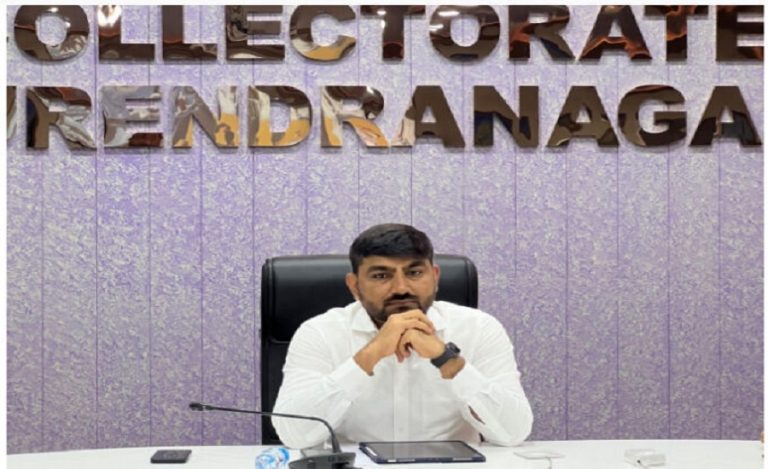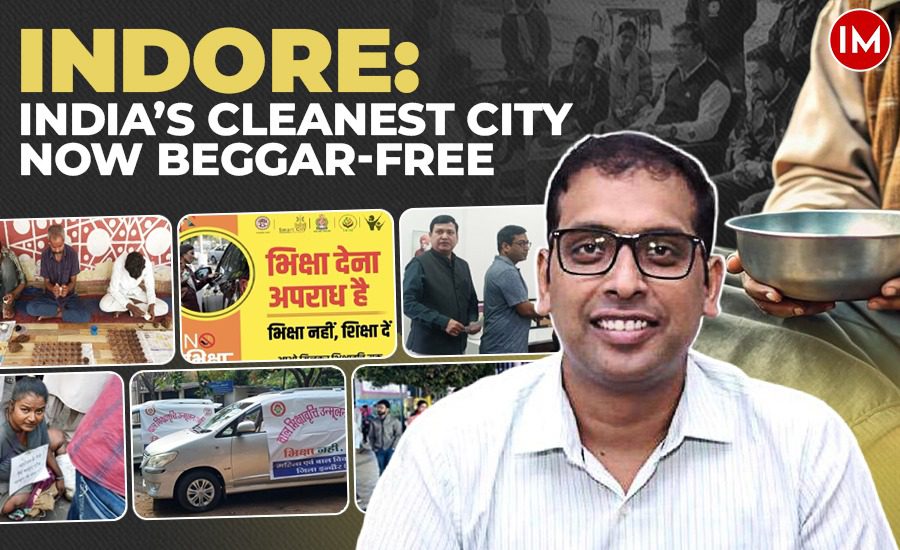
For years, Indore has set the benchmark for cleanliness in India. But beyond its spotless streets and well-maintained public spaces, the city has now achieved another milestone – it has become completely beggar-free. This remarkable transformation results from an intensive, well-planned campaign led by 2010-batch IAS officer and Indore’s District Collector, Mr. Asheesh Singh. Through a structured three-phase plan and a strong enforcement mechanism, Indore has successfully eradicated organized begging while offering rehabilitation to those in need.
A THREE- PHASE MISSION TO END BEGGING
Recognizing that begging in Indore was not just a matter of poverty but a deep-rooted network involving syndicates, Mr. Asheesh Singh and his team launched a comprehensive, three-phase approach.

Phase 1: Rescuing Children
The administration first focused on protecting children, often exploited by begging networks. Many were forced to beg on streets, at traffic signals, and outside religious places. The district officials, in collaboration with NGOs and child welfare organizations, identified these vulnerable children and rehabilitated them in shelter homes. They were provided with education, healthcare, and psychological counseling to reintegrate them into society.
Phase 2: Counseling Senior Beggars
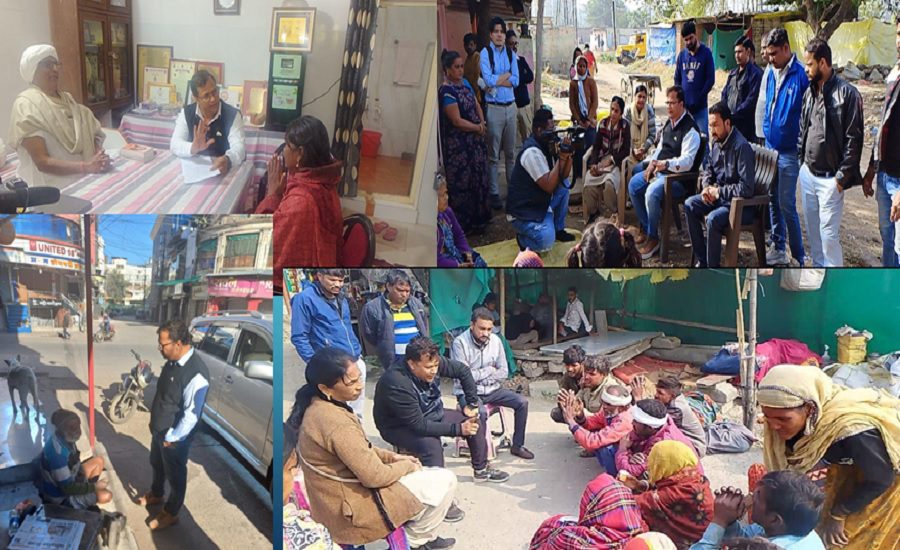
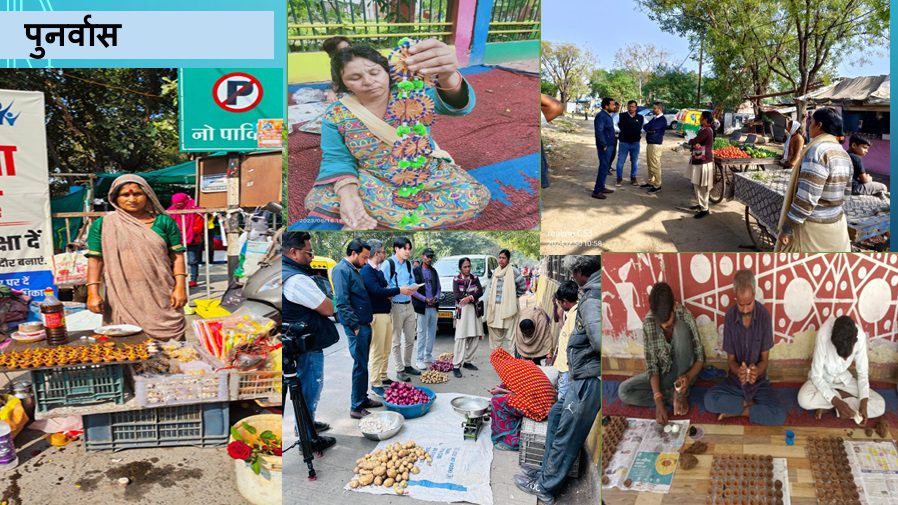
The second phase targeted elderly beggars and those who had been in this occupation for years. The administration conducted extensive counseling sessions, explaining the benefits of leaving the streets behind. They were encouraged to return to their families or take up alternative livelihoods. Many seniors were placed in old-age homes, while some were connected to employment opportunities through government schemes. More than 3000 people have been counseled to be removed from the begging business under the initiative.
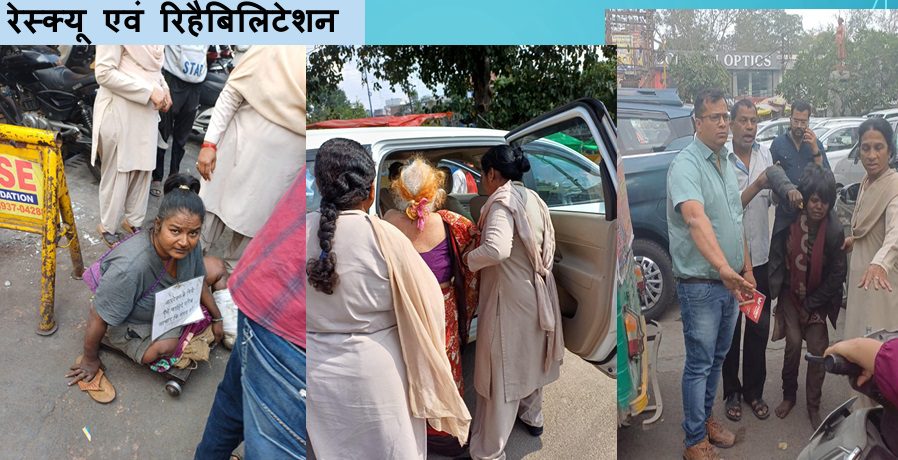
Phase 3: Cracking Down on Syndicates and Enforcement
With the vulnerable populations rehabilitated, the final phase was the most aggressive—identifying and dismantling organized begging networks. The administration worked alongside the police to track and bust gangs that had turned begging into a business. Several kingpins of these operations were arrested, and their operations were completely shut down. Furthermore, a strict order was issued to penalize those who encouraged begging by giving alms in public spaces.
“In a city as progressive as Indore, organized begging had no place. Our mission was not just to clear the streets but to rehabilitate those in need and take down those who exploited them,” said Mr. Asheesh Singh to Indian Masterminds
THE RAJASTHAN BEGGING SYNDICATE BUSTED
One of the most shocking discoveries during the campaign was a syndicate operating from Rajasthan. The gang had been running a large-scale begging racket in Indore, where they brought people from Rajasthan in bulk, housed them in cheap hotels, and deployed them across the city’s busiest intersections. These beggars were rotated every few weeks to evade detection.
In a major crackdown, over 25 individuals from Rajasthan were caught from a single hotel. They would leave every morning, spread across the city, and return at night with their earnings. The administration identified this pattern and swiftly acted. The entire network was dismantled, and the culprits were deported back to their home states.
“We found that some of these individuals were earning up to ₹2 lakh per month through begging. This wasn’t just about poverty—it was a well-oiled business that needed to be shut down,” said the collector
A THREE-GENERATION BEGGING FAMILY EXPOSED
Perhaps one of the most eye-opening cases was that of a family spanning three generations—grandparents, parents, and children—all involved in begging. They had been living in Indore for decades, making a substantial income through this illegal means. Investigations revealed that they owned property in their native village but chose begging as it was more lucrative.
In a dramatic intervention, the administration relocated them back to their ancestral land, ensuring they utilized their property for farming instead. Their children were enrolled in schools, breaking the cycle of begging that had persisted in their family for years.
MOBILIZING TEAMS
To make Indore truly beggar-free, the administration identified over 40 major hotspots where begging was rampant. These included busy roads, crossroads, temples, and markets. Specialized teams were formed, comprising officials from the Women & Child Development, Labour, and Education departments, as well as the Municipal Corporation, Home Guards, and NGOs.
These teams were responsible for on-the-ground counseling, enforcement, and rehabilitation efforts.
STRICT ACTION AGAINST GIVING ALMS
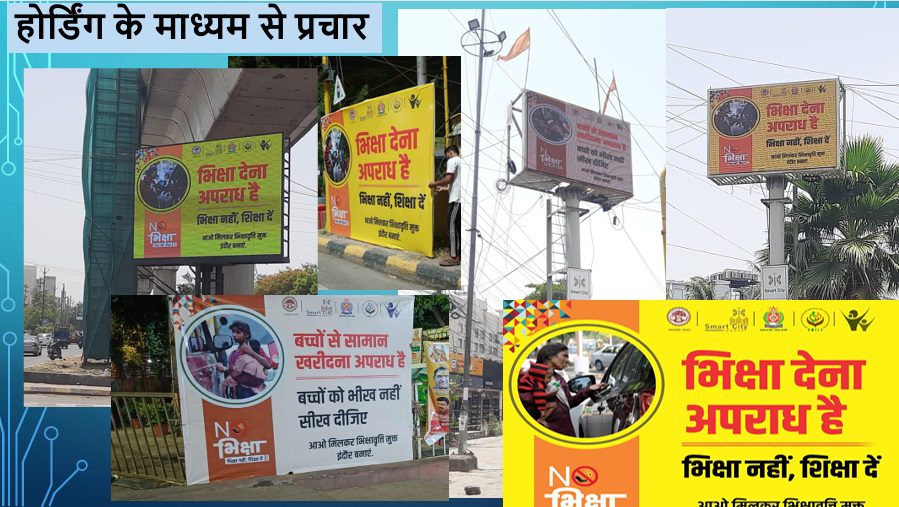
To ensure the success of the mission, a major deterrent was put in place—strict penalties for those giving alms to beggars. Many well-meaning citizens unknowingly sustained the begging industry by offering money at traffic signals and temples. Now, under the new regulations, even those encouraging begging by offering money could face legal action.
THE ROAD AHEAD
Indore’s transformation into a beggar-free city sets a precedent for other urban centers in India. By addressing both the humanitarian and criminal aspects of the issue, the administration has proven that with the right approach, even the most deeply ingrained social problems can be tackled.
What’s next for Indore? With its streets now free from beggars, the administration is focused on long-term monitoring to ensure that the problem does not resurface. Helpline numbers have been set up for citizens to report any resurgence of begging, ensuring that Indore continues to lead by example.
Indore has shown that it is not just the cleanest city in India but also one that values dignity, discipline, and development.