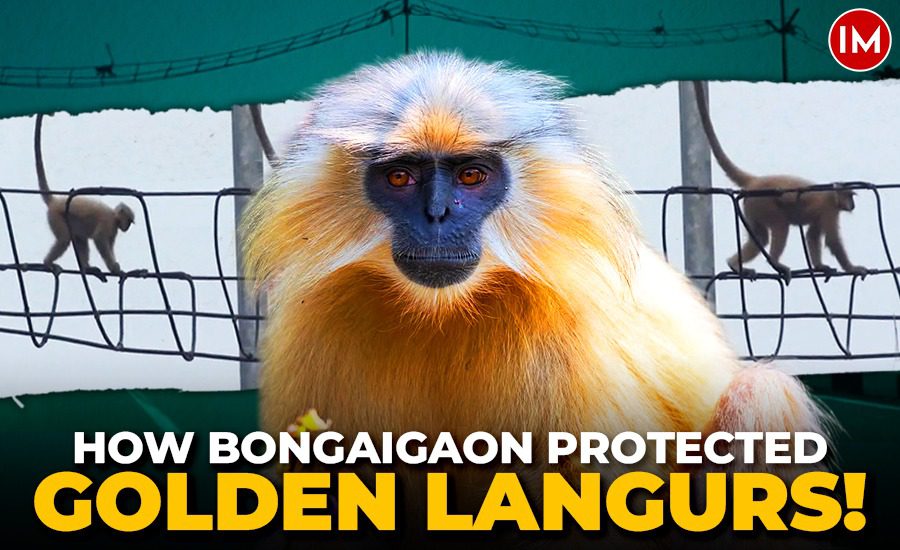
The collective commitment of all departments and the people of Bongaigaon district towards protecting Assam’s rare golden langurs is nothing short of inspiring. It shows that with determination, it is possible to preserve wildlife even alongside modern development. In the past, golden langurs tragically lost their lives on NH-117 in Bongaigaon, but that has changed. With the construction of four suspension bridges specifically designed for their protection, such accidents have been halted. This achievement has brought a wave of joy to the people of Kakoijana – and undoubtedly, to the golden langurs as well.
The Kakoijana Reserve Forest, located near Abhayapuri in Bongaigaon district of Assam and spanning an area of 17.24 square kilometers, falls under the Aie Valley Division and is home to hundreds of golden langurs. Unfortunately, many of these langurs lost their lives due to accidents on the national highway and electrocution. In response, the forest department brought the issue to the district road safety committee, involving all major departments to find a solution. The local community also came together to help, and through their collective efforts, four hanging bridges were built to provide a safe route for the langurs, preventing further tragedies. This initiative not only saved the golden langurs but also brought joy to the people.
Indian Masterminds spoke with Mr Khanindra Kalita, the 2015-batch Assam Forest Service Officer and DFO of the Aie Valley Division in Bongaigaon, to learn more about this remarkable initiative and how it was successfully implemented.
THE FOREST AND RAISING THREATS
The Kakoijana forest, crossed by National Highway 117, became a hotspot for tragic accidents as golden langurs were frequently struck by speeding vehicles while attempting to cross the road. Additionally, exposed electric wires in the area posed a significant threat to their survival. In 2023, nine langurs were struck by vehicles, followed by another nine in 2024, and one more in 2025.
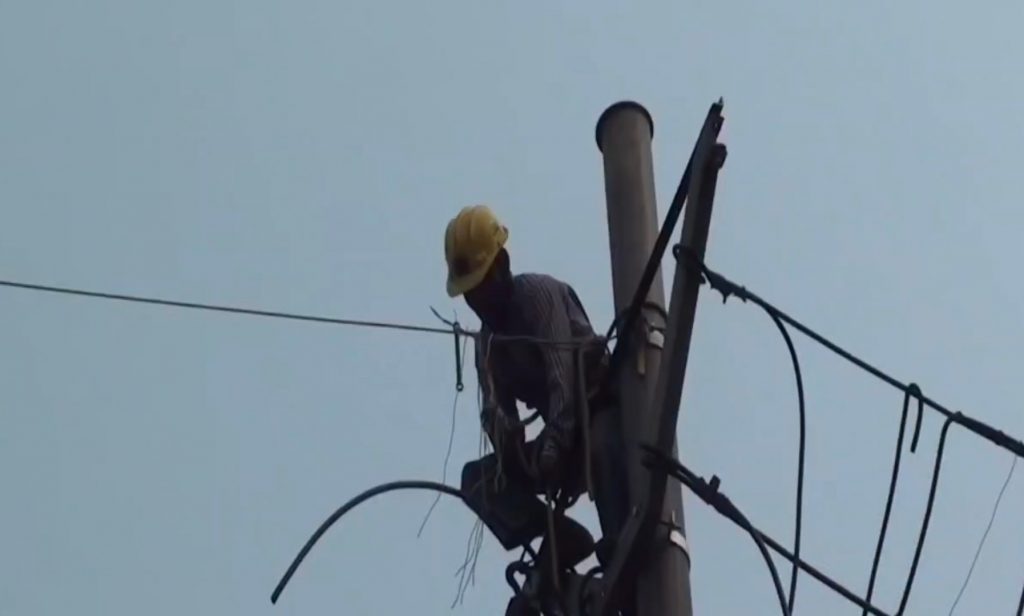
The number of fatalities due to electrocution also surged significantly. Recently, 34 villages near the reserve forest were electrified, leaving wires exposed and further heightening the risk to the langurs’ lives. When Mr. Kalita joined the forest department in June 2024, these issues were already pressing.
He recalled, “At that time, the forest faced two major problems: electrocution and roadkill. Originally, NH-117 was smaller and narrower, and there weren’t as many problems. But after it was expanded, the safety of the golden langurs was compromised. They cross from both sides of the road, as their habitat stretches across both. The highway, once 10 meters wide, was now expanded to 30 meters.”
QUICK ACTION
Mr. Kalita recognized that the problem couldn’t be solved by the forest department alone; it required the involvement of multiple agencies. He took the issue to the district road safety committee, where officials ranging from the collector to the SP, along with representatives from various departments, unanimously agreed on the need for a canopy bridge to protect the langurs. Sadly, during this process, the golden langurs continued to fall victim to roadkill.
COLLABORATION FOR SOLUTION
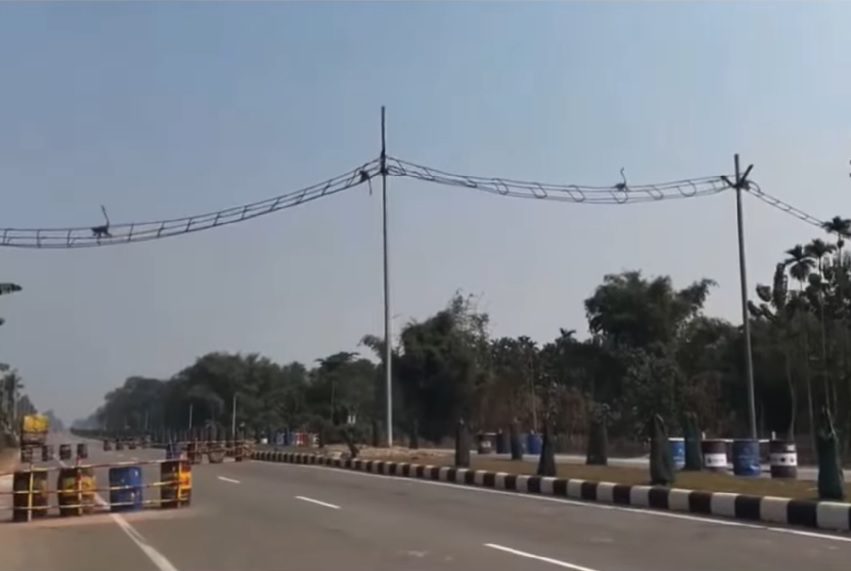
To address this problem, the administration took swift action and installed the first bridge on January 9. The district administration, forest department, NHIDCL, and local community members came together to create this unique solution, allowing the langurs to safely cross the road without the risk of electric shock or accidents.
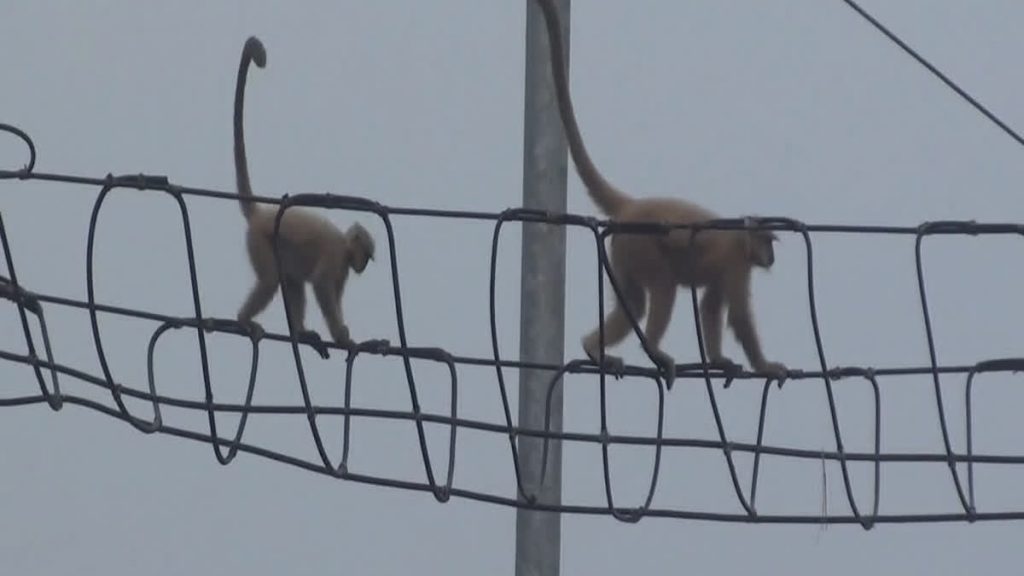
Various departments contributed materials – one provided poles, another supplied cables, and yet another provided concrete – leading to the completion of the bridge. Remarkably, within just five days, the langurs began using it! Seeing the positive results, three more bridges were installed. These bridges were made with strong, plastic-coated wires to ensure long-term safety for the langurs. All departments collaborated in building these bridges, and so far, four have been completed, with plans to construct two more. The key areas where roadkill was most frequent have now been covered, providing the langurs with a safer route.
MONITORING
The forest department has created a dedicated WhatsApp group where updates about the golden langurs are shared regularly. Whenever there is news of langurs being spotted near the highway, the forest staff immediately responds, managing traffic on the road to ensure the langurs can safely cross. As a result, most of the langurs use the bridges, but for those who might still be below, the forest staff steps in to help them cross safely. This proactive approach has ensured the langurs’ complete protection.
Mr. Kalita summed it up perfectly: “This is not the success of a single forest department or any one agency; it is the success of the entire district. That’s why everyone is happy. Real progress happens when development and nature go hand in hand.”
ABOUT GOLDEN LANGURS
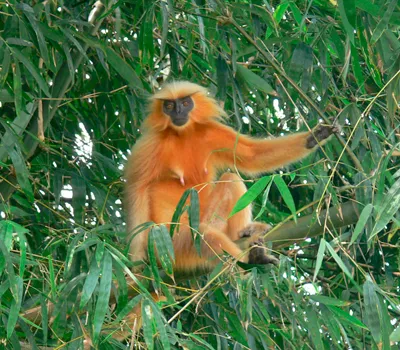
The Golden Langur (Trachypithecus geei) is a rare, endangered primate native to Assam, India, and parts of Bhutan. Listed in Schedule I of the Indian Wildlife (Protection) Act, 1972, it receives the highest level of protection in the country.
Known for its striking golden fur, it inhabits tropical and subtropical forests, primarily in the foothills of the eastern Himalayas. These herbivores live in social groups and are arboreal, spending most of their time in the canopy. With fewer than 5,000 individuals remaining, they face threats from habitat loss, deforestation, and hunting. The species is protected in areas like Manas National Park. Conservation efforts focus on habitat preservation and involving local communities in safeguarding this unique primate.