New Delhi: Agnikul Cosmos 3D printed rocket engine technology has reached a new milestone as the Indian space startup successfully fires what is being described as the world’s largest single-piece 3D-printed rocket engine.
This breakthrough highlights India’s growing strength in private space innovation. Developed entirely in-house, the engine represents a major step forward in faster, cheaper, and more reliable rocket manufacturing.
The achievement also strengthens India’s position in the global space race, especially in the emerging small-satellite launch market.
Details of Agnikul Cosmos 3D Printed Rocket Engine
Chennai-based space startup Agnikul Cosmos has successfully test-fired a large single-piece 3D-printed rocket engine, considered among the biggest of its kind globally.
- The engine is made as one single piece, without joints or welding
- It uses advanced additive manufacturing (3D printing)
- It is built using Inconel, a heat-resistant superalloy
- The engine is around 1 meter long, making it one of the largest integrated designs
Read also: India Fires 24 Pinaka Extended Range Rockets in Pokhran Trial, Showcasing Precision and Firepower
This test marks a major engineering success because building such a large engine in one piece is extremely complex.
Why Agnikul Cosmos 3D Printed Rocket Engine Is Important
1. Faster Manufacturing
Traditional rocket engines require thousands of parts and months of assembly.
- 3D printing reduces production time by over 60%
- No need for welding or assembling multiple parts
2. Higher Reliability
- No joints = fewer chances of failure
- Better structural strength during launch
3. Better Performance
- Improved fuel flow and cooling
- Lighter and more efficient engine design
How Agnikul Is Leading This Innovation
Agnikul Cosmos, an IIT Madras-incubated startup founded in 2017, is focused on building small satellite launch vehicles.
Key highlights of the company:
- Developed Agnilet, a fully 3D-printed semi-cryogenic engine
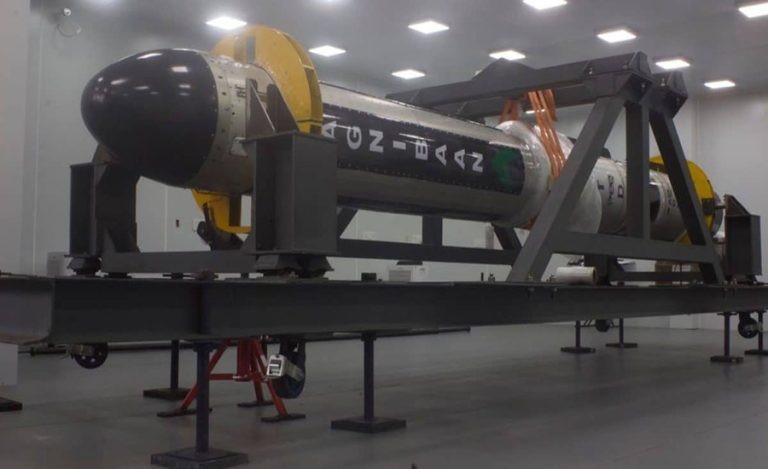
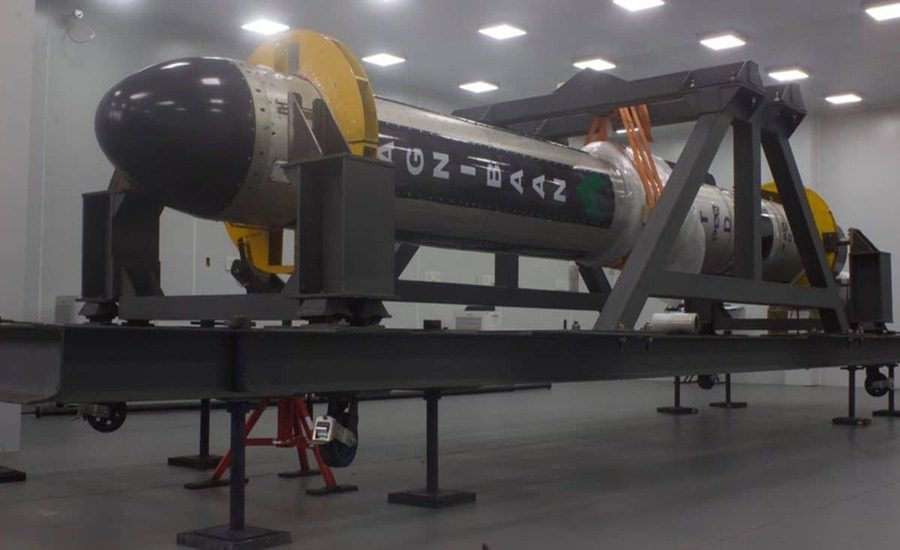
- Earlier launched Agnibaan SOrTeD, the world’s first rocket with a single-piece 3D-printed engine
- Built India’s first private launchpad at Sriharikota
The latest engine is an advanced and larger version of its earlier designs.
Recent Milestones Achieved
Agnikul has been rapidly progressing in rocket technology:
- Successfully fired cluster of 3 engines together in 2026
- Developed engines with electric motor-driven pumps
- Achieved multiple “firsts” in India’s private space sector
These milestones show the company is moving towards full orbital launches.
What Makes Agnikul Cosmos 3D Printed Rocket Engine Unique
Unlike traditional engines:
- Fully integrated design (no assembly)
- Built layer-by-layer using 3D printing
- Made from Inconel, which handles extreme heat and pressure
- Designed for semi-cryogenic propulsion
This combination makes it one of the most advanced rocket engines developed in India.
What is the Impact of Agnikul Cosmos 3D Printed Rocket Engine
This achievement is important for India’s space future:
Boost to Private Space Industry
- Encourages startups in space technology
- Supports government’s push for space privatization
Global Competitiveness
- Positions India alongside global players like SpaceX in innovation
- Shows capability in advanced manufacturing
Lower Launch Costs
- Faster production = cheaper rockets
- Makes space access more affordable
What Comes Next?
Agnikul is now focusing on:
- Scaling up engine production
- Conducting full rocket launches using clustered engines
- Entering the commercial satellite launch market
Their goal is to provide on-demand, low-cost launches for small satellites.