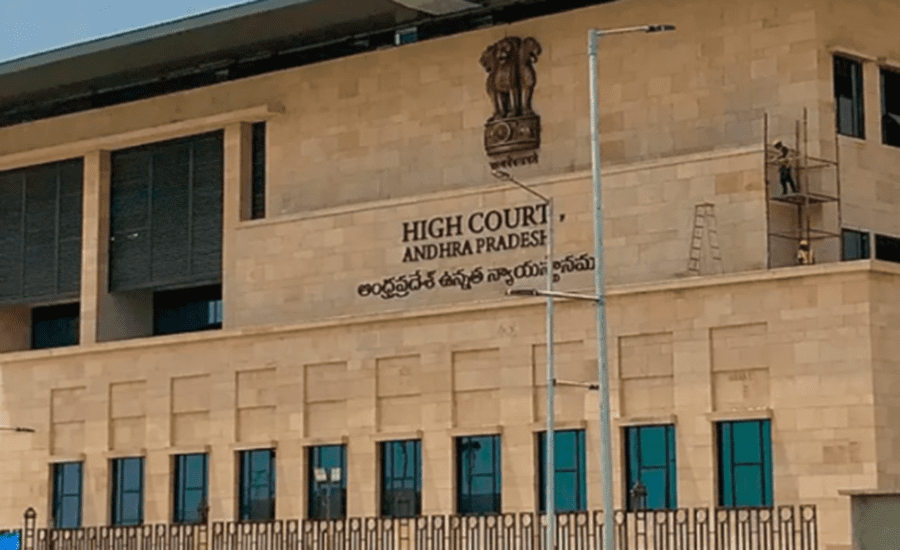
Amaravati: In a significant development in the ongoing Tirupati Laddu controversy, the Andhra Pradesh High Court has refused to grant bail to a government officer accused of taking bribes in connection with the supply of adulterated ghee for the preparation of the famed Tirupati laddus — one of the most revered temple offerings in India.
Background of The Tirupati Laddu Ghee Controversy
The Tirupati laddu, also known as Srivari Laddu, is a sacred sweet distributed as prasadam at the Tirumala Venkateswara Temple in Andhra Pradesh, attracting millions of devotees annually.
Read also: Andhra Pradesh High Court Quashes Corruption Case Against Retired IPS Officer A.B. Venkateswara Rao
In September 2024, allegations emerged that ghee used in the laddus was adulterated, leading to widespread outrage and political controversy across India. The claims triggered investigations by a Special Investigation Team (SIT), with endorsements from the Supreme Court of India to delve deeper into possible irregularities in the procurement of ghee — the primary ingredient in laddus.
The controversy has involved multiple legal actions, including FIRs, arrests, and court proceedings centred on accusations of bribery, manipulation of tender processes, and the distribution of substandard ghee.
Bail Plea Rejected: High Court’s Reasons
On January 13, 2026, the Andhra Pradesh High Court, presided over by Justice Dr. Y. Lakshmana Rao, refused to grant bail to the accused government officer — identified in court records as Kanduru Chinnappanna, a former public servant linked to the procurement wing of the Tirumala Tirupati Devasthanam.
The court observed that granting bail at this stage could impede the ongoing investigation into the wider conspiracy surrounding the supply of adulterated ghee to the TTD.
It noted the seriousness of the allegations, including:
- Alleged receipt of substantial sums as bribes from ghee suppliers.
- Bank transactions indicating deposits far exceeding the petitioner’s official earnings.
- The ongoing SIT probe into how and why adulterated ghee was purchased and who ultimately benefited from the unlawful deals.
The court specifically stated that the allegations had “defiled the sentiments of crores of devotees worldwide”, emphasizing the sensitive nature of the matter given the religious significance of the offerings.
Tirupati Laddu Ghee Controversy: Key Allegations and Legal Charges
According to court documents and FIR details:
- The accused is charged under various sections of the Bharatiya Nyaya Sanhita (BNS) and the Food Safety and Standards Act, 2006 for offences including adulteration of food, sale of noxious food, criminal breach of trust, cheating, deliberate acts intended to insult religious beliefs, conspiracy, and common intention.
- Investigators have claimed that the officer demanded ₹25 per kg commission from ghee suppliers and amassed assets disproportionate to his known income — with bank transactions cumulatively amounting to approximately ₹4.60 crore despite a reported salary of around ₹65 lakh.
The SIT must determine how the alleged bribe amounts were transacted — including whether they were paid directly or routed through intermediaries — and identify the final beneficiaries of the illicit funds.
Broader Investigation on Tirupati Laddu Ghee Controversy
The case has seen multiple developments beyond the bail plea:
1. Arrests and Additional Charges
Several individuals have been arrested in connection with the case, including external dairy experts and TTD insiders who allegedly facilitated the supply of adulterated ghee. Some courts have denied anticipatory bail to these accused, citing strong evidence and ongoing investigation.
2. Political and Legal Repercussions
The probe reached high levels of political discourse, involving former TTD chairman YSRCP MP Y.V. Subba Reddy and his close aide, who were questioned and arrested for alleged bribery and influence in awarding tenders.
3. Examination of Ghee Quality
Earlier reports have mapped a significant money trail and quality concerns linked with ghee procurement, leading to deeper investigations into financial irregularities and adulteration.
Judicial Outlook: What Comes Next
The High Court’s rejection of bail signals that the judiciary remains cautious about releasing accused individuals until the SIT concludes its investigations and assesses the full scope of the conspiracy.
The next stages involve:
- Completion of custodial interrogation of the main accused,
- Continued tracking of financial flows and asset seizures,
- Possible implications for larger systemic reforms in how religious institutions manage large-scale procurements.
Read also: Andhra Pradesh High Court Cancels Default Bail of IAS Officer and Others in ₹3,500 Crore Liquor Scam