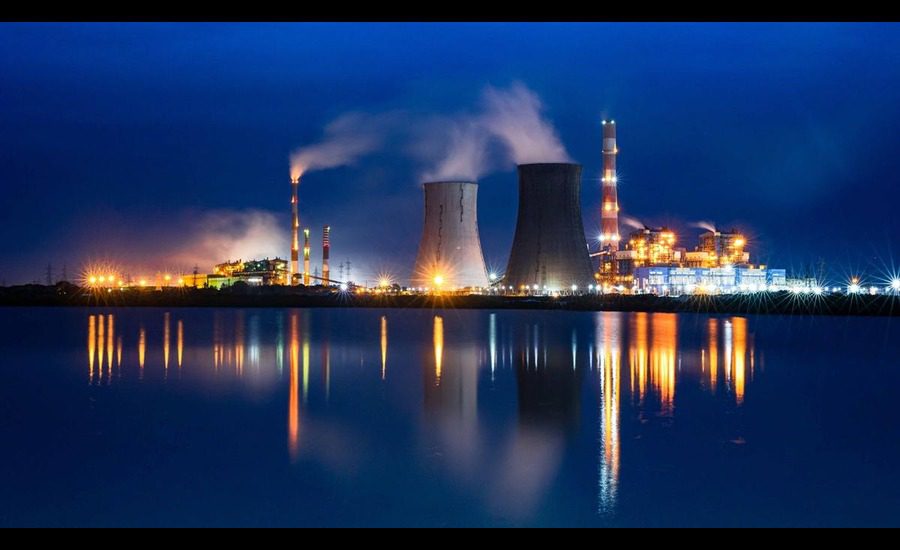
New Delhi: India has taken a decisive step toward modernizing its nuclear power capacity as the Bhabha Atomic Research Centre (BARC) — the country’s premier atomic research institution — has officially begun design and development work on a suite of small modular reactors (SMRs).
According to recent statements by the government in Parliament, these designs include a 200 MWe unit known as the Bharat Small Modular Reactor (BSMR-200), a 55 MWe SMR (SMR-55), and a high-temperature gas-cooled reactor of up to 5 MWth intended for hydrogen generation.
This move marks a strategic shift in India’s nuclear energy roadmap — targeting flexible deployment, industrial energy needs, and long-term decarbonization goals. The effort is being undertaken under the broader umbrella of India’s newly announced nuclear mission, backed by substantial budgetary allocation and policy changes aimed at opening nuclear energy to more diverse applications.
Background of BARC Small Modular Reactors
SMRs are compact nuclear reactors that offer many of the benefits of large nuclear power plants — including stable, carbon-free electricity — but in a smaller, modular, and more flexible package. The concept is to standardize reactor units, simplify construction, reduce lead times, and enable deployment in a variety of environments, from power-starved remote regions to industrial sites or even maritime platforms.
In India’s context, the BSMR designs are derived from proven technology: they build on the existing 220 MWe pressurised heavy water reactor (PHWR) technology that has powered multiple units nationwide.
The Strategic Imperative: Energy Demand, Industrial Growth, and Emissions Reduction
India’s energy demand is projected to surge — with industrial growth, urbanisation, and expanding infrastructure. Traditional large-scale nuclear plants, though efficient, come with long construction cycles and high capital costs. SMRs offer a more nimble alternative: they can be installed quicker, require smaller capital investment per unit, and can serve as captive power sources for energy-intensive industries such as cement, steel, aluminium, and others.
Moreover, in the newly revealed 2025–26 nuclear roadmap, the government has allocated ₹20,000 crore for design, development, and deployment of SMRs — underlining the belief that SMRs will form the backbone of India’s growing nuclear energy capacity.
Finally, SMRs can also support non-traditional applications: for instance, the 5 MWth high-temperature gas-cooled reactor being developed could aid in hydrogen production — ushering in possibilities for clean-fuel infrastructure and diversified energy use.
What BARC Is Building: The Three Reactor Paths
According to official disclosures, BARC — under the oversight of the Department of Atomic Energy (DAE) — has initiated design and R&D work on at least three reactor types:
- BSMR-200 (200 MWe) — A compact pressurised heavy water reactor (PHWR)-derived SMR designed for electricity generation and captive power needs.
- SMR-55 (55 MWe) — A smaller variant aimed at flexible power supply, potentially suitable for smaller industrial units or remote locations.
- High-Temperature Gas-Cooled Reactor (≈ 5 MWth) — Intended primarily for process heat and hydrogen generation; a strategic step toward hydrogen economy and industrial thermal applications.
The government has reportedly secured “in-principle” approval to build demonstration units of these reactor types; the lead units are expected to be built at DAE sites over a period of 60 to 72 months post administrative sanction.
Policy & Industry Framework: Budget, Private Participation, and Market Interest
- The 2025–26 budget has formally incorporated a dedicated “Nuclear Energy Mission,” signalling a major commitment to expand nuclear power capacity. As part of this commitment, ₹20,000 crore has been earmarked specifically for the design, development, and deployment of SMRs.
- Furthermore, policy changes — including proposed amendments to the 1962 Atomic Energy Act — are being deliberated to allow broader participation in India’s civil nuclear sector. This could open the door to private sector involvement, foreign collaboration, and industrial partnerships.
- A growing number of major Indian industrial players have reportedly shown interest in adopting SMRs as captive power sources. Companies such as Reliance Industries and Adani Power are among six firms exploring SMR deployment, evaluating potential sites across several states.
- This interest reflects industrial demand for stable, high-capacity, carbon-free power — particularly suitable for energy-intensive sectors like cement, steel, aluminium, and heavy manufacturing.
Potential Applications of BARC Small Modular Reactors
- SMRs — particularly BSMR-200 and SMR-55 — are seen as ideal solutions for industries requiring consistent power supply without relying on the conventional grid. Their modular design makes them suitable for installation within or close to industrial complexes, enabling energy-intensive operations (steel, cement, manufacturing) to run reliably.
- Due to compact size and relative ease of deployment, SMRs can serve remote regions lacking robust power infrastructure. They can also support critical installations requiring high reliability — such as research facilities, military bases, remote industrial sites — where grid connectivity is unreliable or absent.
- A striking possibility lies in deploying SMRs for maritime applications. As per official statements, the 200 MWe reactor is envisaged to be compact enough to be deployed on commercial ships — an idea that could transform India’s maritime energy strategy and reduce reliance on fossil-fuel-powered shipping.
- This potential also aligns with global trends of decarbonizing shipping, especially when paired with cleaner nuclear power solutions.
Hydrogen Production & Industrial Heat Applications
The 5 MWth high-temperature gas-cooled reactor under development highlights India’s aspiration to go beyond electricity generation. By enabling hydrogen production and process heat generation, nuclear SMRs could play a role in supporting emerging hydrogen economy initiatives and energy-intensive industrial thermal processes.
Key Challenges & Considerations Ahead
While the SMR initiative promises flexibility and strategic advantages, significant challenges remain:
Regulatory & Legislative Framework: To allow participation beyond public sector undertakings, amendments to laws like the Atomic Energy Act and liability provisions are likely necessary.
Safety, Public Acceptance and Environmental Concerns: Nuclear energy — even modular — often draws scrutiny about safety, waste disposal, and community acceptance, especially near industrial or populated zones. SMRs will need robust communication, safety protocols, and regulatory oversight to gain public and stakeholder trust. — (General nuclear energy context)
Capital Costs & Economic Viability: Though smaller than large reactors, SMRs still require considerable investment. Their economic viability depends on demand (industrial or remote), cost-benefit analysis compared to renewables or conventional power, and regulatory environment.
Fuel Supply, Waste Management, and Long-Term Sustainability: Like all nuclear reactors, SMRs will require a secure fuel supply, strict waste-management protocols, and long-term planning for decommissioning and lifecycle management.
Importance of BARC Small Modular Reactors for India’s Energy Future
The BARC-led SMR push symbolizes a crucial pivot in India’s energy strategy: from large, grid-tied nuclear power plants to modular, flexible reactors that can deliver power (and process heat) wherever needed. This flexibility can accelerate electrification of remote areas, meet energy demands of heavy industries, and potentially support emerging sectors like hydrogen.
With the ₹20,000 crore allocation and policy momentum under the new Nuclear Energy Mission, SMRs may emerge as a key building block to achieve India’s long-term goal of significantly expanding nuclear power capacity — while aligning with climate commitments and industrial growth needs.
As private firms express interest and industrial demand grows, SMRs could catalyze a broad-based transformation: enabling reliable, low-emission power beyond urban grids, promoting industrial competitiveness, and shaping a more resilient, diversified energy infrastructure.
However, realizing this potential will require careful regulatory frameworks, transparency on safety and waste management, and a balanced roadmap integrating SMRs with renewables and other clean-energy solutions.
Read also: From Factories to Ships: India’s 200 MW Nuclear Reactors Set to Change the Game