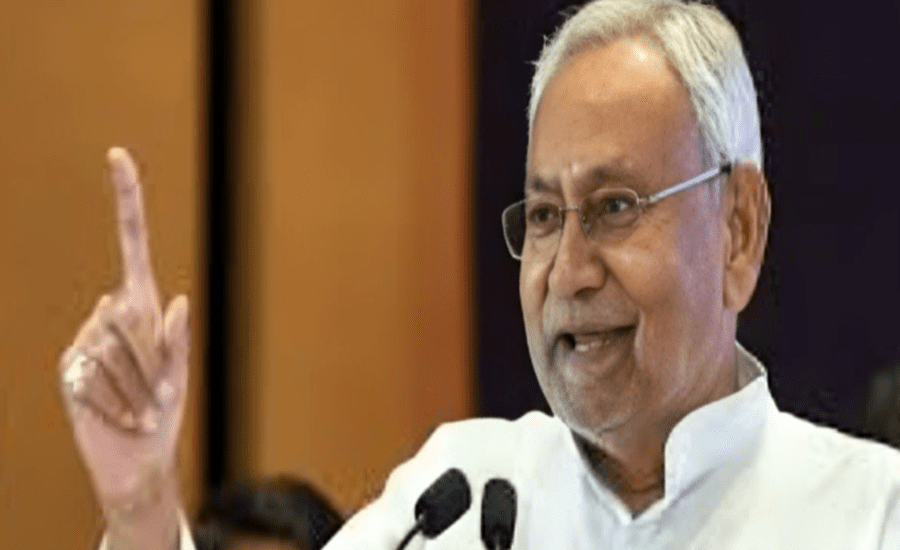
Patna: In a major initiative for the welfare of minority students, Bihar Chief Minister Nitish Kumar has announced the establishment of minority residential schools in Kishanganj and Darbhanga. The schools aim to provide free and quality education to students from Muslim, Sikh, Christian, Buddhist, Jain, and Parsi communities, ensuring their overall development and bright future.
Free Education and Residential Facilities for Minority Students
Under this initiative, students from minority communities will have access to free education in newly constructed residential schools. In addition to academic instruction, the schools will provide special residential facilities designed to support students’ health, safety, and holistic development. The government has emphasized that these facilities aim to create a secure and nurturing environment for students from all socio-economic backgrounds.
Read also: Bihar @ 2047 Vision Conclave (Season 3) Held in Bengaluru to Promote Entrepreneurship and Investment
Application Process and Eligibility
The Minority Welfare Department has opened the application process for the academic session 2025–26, allowing students to apply online or offline. Eligible students seeking admission must be enrolling in Class 9 or Class 11 in the Arts and Science streams. The last date for applications is 30 December 2025.
- Class 9: Students must be 16 years old
- Class 11: Students must be 18 years old
- Preference will be given to students already studying in Class 9 or 11 in Arts or Science streams
Reservation and Inclusion Policy
The schools will follow a reservation policy to promote inclusivity:
- 75% of seats reserved for rural students
- 50% of these seats reserved for girls
- Other reservations applicable as per Bihar government rules for minority and socially disadvantaged categories
This move ensures that a large number of rural and underprivileged students can access quality education, bridging gaps in academic opportunities.
Strengthening Education in Bihar
The Chief Minister highlighted that prior to 2005, Bihar’s education system faced multiple challenges. Over the years, the state government has worked to strengthen educational infrastructure and ensure that children from all communities and socio-economic backgrounds have access to quality schooling. These new minority residential schools reflect the government’s ongoing commitment to equitable, inclusive, and holistic education across the state.