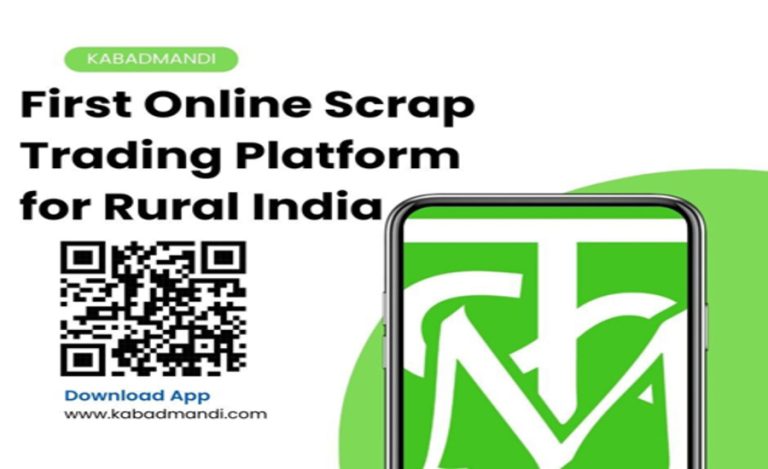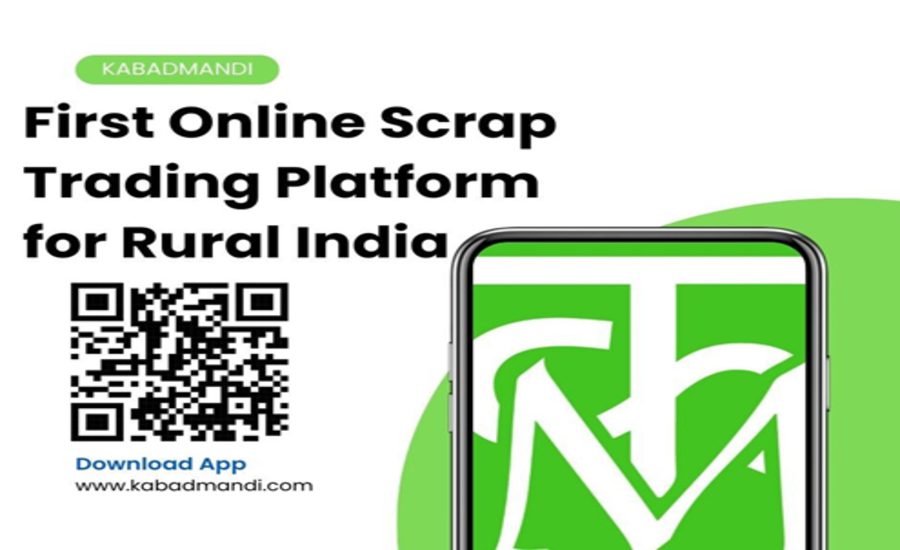
Patna: In a unique rural innovation from Bihar, residents of Siwan are now earning money by selling household waste through ‘Kabad Mandi’, a startup described as rural India’s first digital scrap marketplace.
The initiative converts recyclable waste into income opportunities while simultaneously strengthening village-level cleanliness and environmental sustainability.
The startup has been registered under Startup India as Asraj Scrap Solution Private Limited and has already expanded district-wide within just 18 months.
Initiative led by village head Amit Singh
The project was initiated by Amit Singh, the Mukhiya of Khalwan Gram Panchayat in Nautan block.
He designed the model to ensure that villagers could directly monetise recyclable waste generated at home through a digital platform.
His idea combines:
- waste collection
- digital payments
- recycling
- rural employment
- product manufacturing
App-based waste collection from households
Through the mobile application developed for the startup, villagers can enter details such as:
- type of waste
- quantity
- preferred collection time
- collection date
The collection team reaches households at the scheduled time, weighs the waste, and pays residents immediately based on category and quantity.
Rates fixed for different recyclable materials
According to the startup model:
- plastic bottles are purchased at ₹15 per kg
- black plastic at ₹2 per kg
- mixed white plastic at ₹5 per kg
- tin at ₹10 per kg
This has encouraged households to segregate waste before disposal.
1.25 tons waste collected every month in Siwan
Currently, approximately 1.25 tons of recyclable waste is collected every month across Siwan district.
The project has significantly reduced open dumping and strengthened village sanitation systems.
Waste processed into useful long-life products
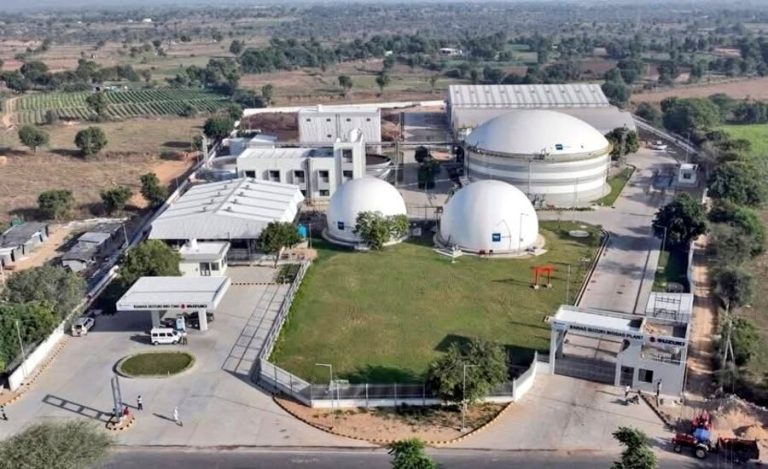
Collected waste is processed at:
- Plastic Waste Management Unit (PWMU)
- Waste Processing Unit (WPU)
After recycling, plastic is converted into products such as:
- washbasins
- park benches
- dustbins
- fencing
- school benches
- flower pots
- cupboards
- portable toilets
40 kg plastic to make one washbasin
The startup plans include:
- 40 kg plastic for one 3-foot washbasin
- 75 kg plastic for one park bench
- 35 kg for dustbins and other utility products
These products are expected to last nearly 15 years.
22 people employed with salary, insurance and medical support
The project currently employs 22 people.
Each worker receives:
- monthly salary above ₹12,000
- medical support
- insurance cover of ₹7 lakh
This makes the model both an environmental and employment initiative.
Expansion now reaches Gopalganj
Following success in Siwan, the startup has signed an MoU with Gopalganj for expansion.
The model is now being viewed as a replicable rural enterprise for other districts.
Recycled plastic supplied to major organisations
The startup has established supply partnerships with organisations in:
- Haridwar
- Punjab
- Coca-Cola operations in Varanasi
Plastic waste generated during weddings and social events is also processed.
Road construction use planned next
Processed plastic waste may soon be sold for road construction, opening additional revenue channels.
Inspired by Swachh Bharat and Lohia Swachh Bihar campaigns
The initiative draws inspiration from:
- Swachh Bharat Mission
- Lohia Swachh Bihar Abhiyan
A model for rural India’s circular economy
The Siwan model is increasingly being seen as a practical example of how rural India can convert waste into:
- livelihood
- local industry
- environmental protection
- circular economy growth