New Delhi: In a significant move aimed at conserving one of the world’s oldest mountain ranges, the Union government on Wednesday directed states to impose a complete ban on new mining leases in the Aravalli range. The directive comes amid growing public concern over the “new definition” of the mountain range and threats from unregulated mining.
Expansion of Protected Zones
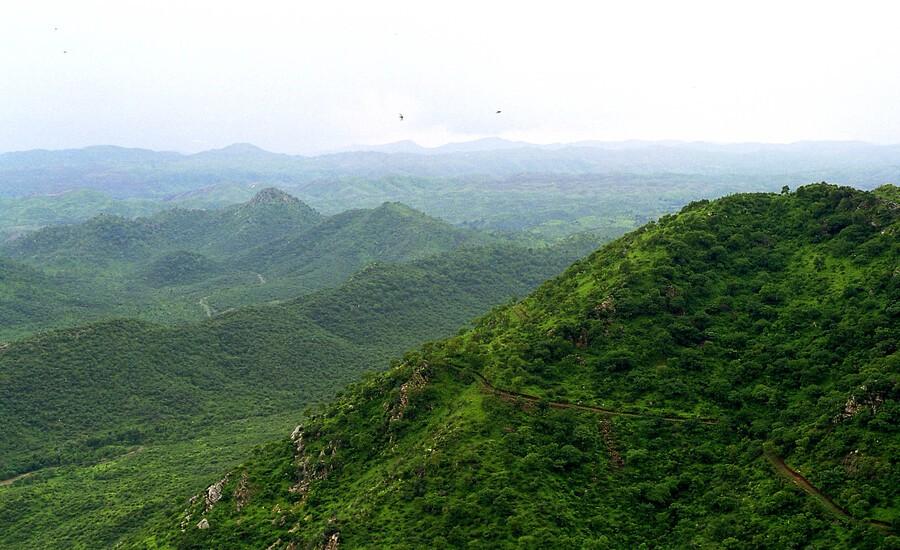
The Ministry of Environment, Forest and Climate Change stated that the decision was taken to ensure the conservation and protection of the Aravallis, a continuous geological ridge stretching from Gujarat to the National Capital Region. As part of the initiative, the Indian Council of Forestry Research and Education (ICFRE) has been instructed to identify additional zones where mining will be prohibited. These zones will be determined based on ecological, geological, and landscape-level assessments.
The government also plans to expand the list of areas already protected or restricted from mining across the Aravalli range. This move is expected to safeguard biodiversity, prevent desertification, maintain groundwater levels, and ensure long-term environmental stability.
Strict Monitoring of Existing Mines
For mines that are currently operational, state governments have been tasked with ensuring strict compliance with environmental safeguards and adherence to Supreme Court directives. The Centre emphasized that ongoing mining operations must adopt sustainable practices to minimize ecological damage.
Comprehensive Sustainable Mining Plan
ICFRE will also prepare a Scientific Sustainable Mining Management Plan (MPSM) for the entire Aravalli range. This plan will include:
- Assessment of environmental impacts
- Identification of ecologically sensitive areas
- Restoration measures for mined zones
- Study of the region’s carrying capacity for mining
Once completed, the plan will be made public for feedback from all stakeholders, further strengthening conservation efforts.
The Aravallis’ Role in Regional Climate
Experts warn that the destruction of the Aravalli hills could have severe consequences for North India’s climate. Without the range, monsoon winds would pass through uninterrupted, leading to 20–30% less rainfall in Rajasthan and Delhi. This could expand the Thar Desert eastward, worsen drought conditions, and disrupt regional weather patterns. Scientists caution that continued illegal mining and urbanization threaten to trigger a climate crisis in northern India within the next 10–20 years.
A Step Forward for Conservation
The Supreme Court had earlier redefined the Aravallis, protecting only hills taller than 100 meters, which sparked debates among environmentalists. The latest directive by the Centre represents a major step toward long-term preservation of the range and ensures stricter regulation of mining activities across this ecologically sensitive region.