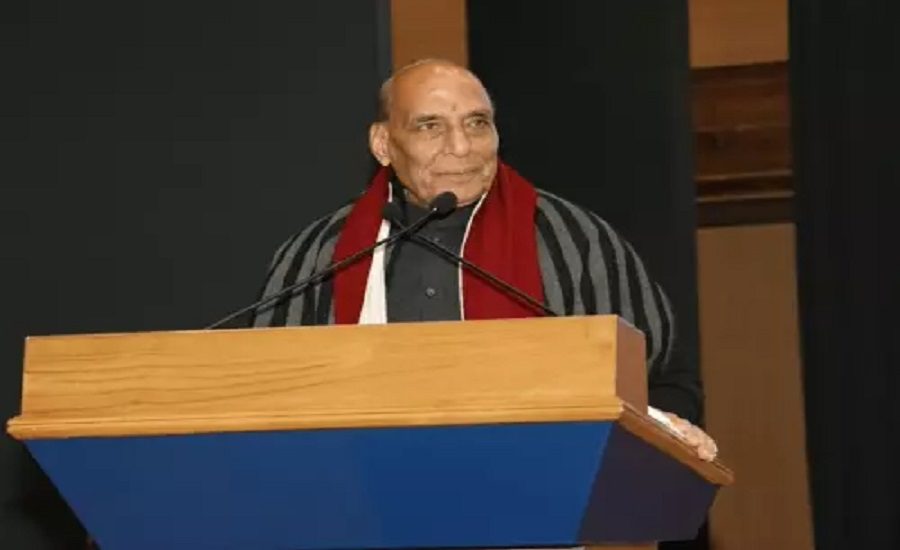
New Delhi: India is steadfastly moving to build one of the world’s strongest armed forces by 2047, Defence Minister Rajnath Singh asserted, outlining a clear roadmap for modernisation amid evolving global security challenges.
The announcement reflects a renewed focus on technology, self-reliance, and integrated defence preparedness — key pillars of the nation’s defence strategy for the next two decades.
Indian 2047 Vision: Strategic Roadmap Announced
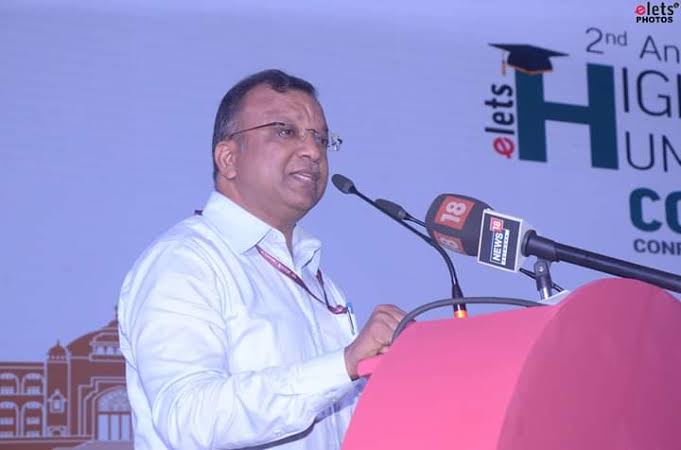
At the 78th Indian Army Day celebrations in Jaipur, Rajnath Singh emphasized that India’s armed forces are on a progressive path toward becoming a global military power by 2047.
He thanked the Indian Army for its unwavering service and highlighted a multi-phase roadmap designed to transform the force through modernisation, consolidation, and pursuit of excellence.
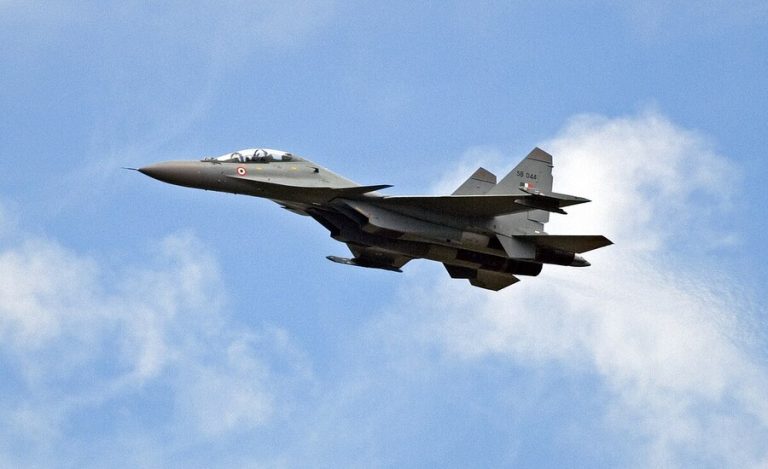
The plan focuses on equipping the military with advanced technologies and strengthening operational capabilities across the Army, Navy, and Air Force.
What are the Objectives Under Indian 2047 Vision
According to Rajnath Singh, the defence modernisation strategy is built on key objectives:
- Indigenous Production & Aatmanirbhar Bharat: The government is accelerating production of defence equipment domestically to reduce dependence on imports. This includes state-of-the-art weapons and platforms designed specifically for Indian needs.
- Advanced Technologies: Emphasis on integrating technologies like artificial intelligence (AI), network-centric operations, unmanned systems, and next-generation weaponry into combat forces.
- Jointness Across Services: Improved coordination between the Army, Navy, and Air Force to enhance combined operational effectiveness.
Singh underscored that modernization is not just a goal on paper but a daily discipline that includes training, innovation, and preparedness for future warfare scenarios.
Operational Preparedness and Ongoing Defence Actions
Rajnath Singh referenced Operation Sindoor, an ongoing military operation, as evidence of India’s evolving defence response. He described it as a balanced military response that reflects the nation’s courage, strength, and commitment to eradicating terror-linked threats.
He stressed that India’s pursuit of peace will continue until the mindset fostering terrorism is eliminated, reinforcing that force readiness is integral to national security.
Recognition of the Armed Forces’ Role in Nation-Building
Rajnath Singh portrayed the Indian soldier as both a warrior and a thinker, devoting life to national duty beyond personal gains. He encouraged Indian youth to learn from the dedication and selfless service demonstrated by the armed forces.
This connection between the military and citizens strengthens India’s strategic resilience and fosters a shared national identity rooted in unity, sacrifice, and service.
Focus on Welfare and Inclusivity
The defence minister reaffirmed the government’s commitment to the welfare of veterans and acknowledged the expanding role of women in the armed forces. He highlighted reforms such as granting permanent commissions to women and opening the National Defence Academy to women cadets.
These measures strengthen inclusivity and help tap into a broader talent pool for national defence duties.
Context: Global Security Landscape and Defence Preparedness
The world is witnessing rapid shifts in geopolitical conditions, with emerging technologies shaping the future of warfare. India’s journey toward a stronger military aligns with this new era of strategic competition.
Recent developments — such as enhanced ammunition production and defence export growth — further highlight India’s increasing self-reliance.
The country aims to double defence exports and continue scaling domestic defence production significantly in the coming years.
Read also: What Is the Indian Army’s Mobile Drone Lab? How It Can Transform Indian Army to Super Army