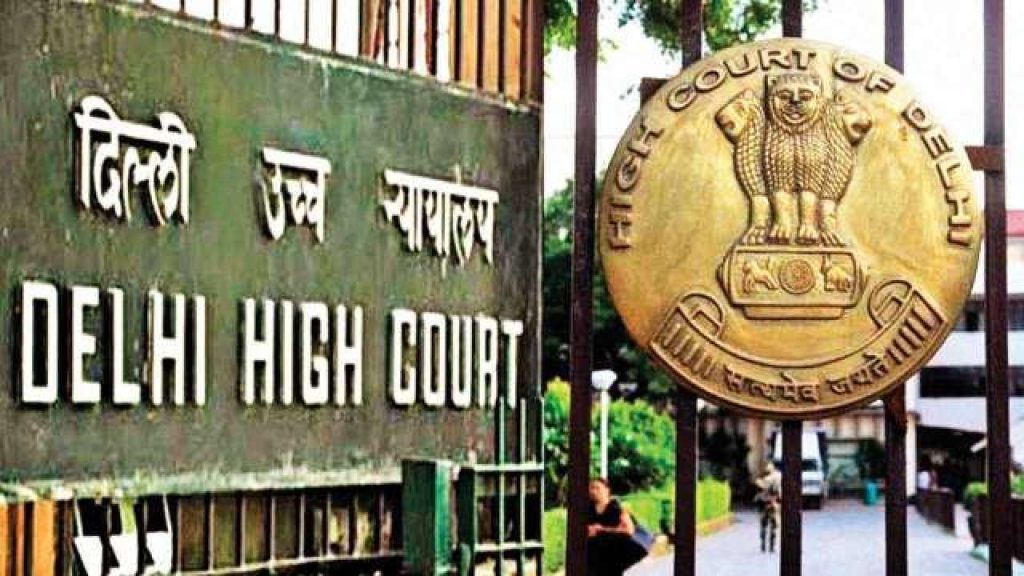
The Delhi High Court has ruled that requesting a passover during court proceedings is not a legal right and cannot be cited as a ground for seeking review of a judgement. The observation came in the matter of Alapan Bandyopadhyay v. Union of India and Others.
A Division Bench comprising Justice C Hari Shankar and Justice Jyoti Singh dismissed a review petition filed by former West Bengal Chief Secretary Alapan Bandyopadhyay, challenging a 2022 verdict related to the transfer of his case.
Court Clarifies: Denial of Passover Not a Valid Review Ground
The Bench categorically stated that refusal to grant a passover does not constitute a valid basis for reviewing a judgement.
The Court observed that seeking a passover is not an entitlement. It further noted that the petitioner’s counsel had been heard in detail during earlier proceedings, as reflected in the original judgement.
According to the Court, procedural dissatisfaction such as denial of a passover cannot be used to reopen concluded judicial decisions.
Background: CAT Case Transfer from Kolkata to Delhi
The dispute traces back to disciplinary proceedings initiated by the Central government against Alapan Bandyopadhyay in 2021. The action followed allegations that he arrived late to a review meeting chaired by Prime Minister Narendra Modi during Cyclone Yaas.
Bandyopadhyay had challenged the proceedings before the Central Administrative Tribunal (CAT) in Kolkata. However, before substantive hearings could begin, the CAT Chairman ordered the transfer of the matter from the Kolkata Bench to Delhi.
The transfer directive was initially set aside by the Calcutta High Court. However, the Supreme Court later reversed that decision, ruling that the chairman’s order could only be examined by a Division Bench of the High Court exercising jurisdiction over the tribunal concerned.
Following the Supreme Court’s decision, Bandyopadhyay approached the Delhi High Court, which ultimately upheld the transfer.
Review Petition Dismissed
In his review plea before the Delhi High Court, Bandyopadhyay argued that the Bench had declined repeated requests by junior counsel to pass over the matter until senior counsel could present arguments.
The Court rejected this contention, reiterating that the absence of a passover does not invalidate judicial proceedings or justify reconsideration of the verdict.
Senior Advocate AK Behera represented Bandyopadhyay, assisted by a team of advocates. The Central government was represented by Additional Solicitor General Vikramjeet Banerjee along with other counsel.
With this ruling, the Delhi High Court reaffirmed the limited scope of review jurisdiction and clarified that procedural requests such as passovers do not create enforceable rights.