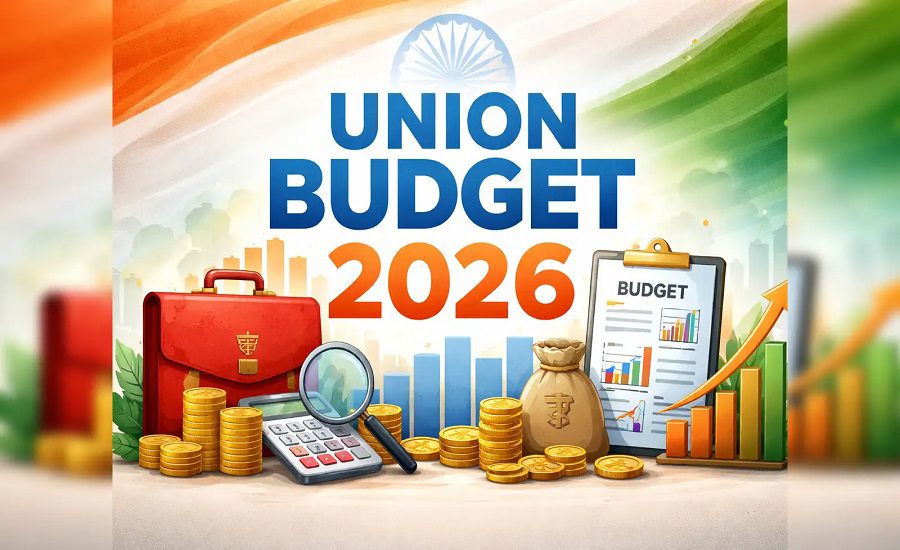
New Delhi: The 16th Finance Commission has recommended the immediate closure of inactive and loss-making Public Sector Enterprises (PSEs) to reduce fiscal strain on both central and state governments. The recommendations, highlighted in the Commission’s recent report, come amid the Union Budget 2026-27, which signals an intensified push to either close or privatize “dead” PSUs.
Commission Highlights Status of Central and State PSEs
The Finance Commission’s detailed review revealed:
Central PSEs (CPSEs):
- 17 under liquidation
- 24 approved for closure
- 31 nonoperational as of March 31, 2024
Total unproductive assets: 72 CPSEs
State PSEs (SPSEs):
- 308 of 1,635 SPSEs have ceased operations
- 489 of 1,055 SPSEs reported losses totaling ₹1.14 lakh crore in 2022-23
The report highlighted that almost one-third of CAG-audited CPSEs incurred losses ranging from ₹36,213 crore to ₹51,419 crore over the last four years.
Read also: Union Budget 2026: Government Raises Anti-Naxal Funding by 20% to Meet March 2026 Target
Push for Closure and Privatisation
The panel emphasized:
- Closure of non-strategic, permanently unproductive PSEs is essential to free up fiscal resources.
- Action on privatization of CPSEs has not progressed at the desired pace, despite the New Public Sector Enterprise Policy adopted in February 2021.
- Past privatisations between 1999–2004 showed significant efficiency gains, highlighting the potential benefits of further privatization.
The report recommends that any enterprise incurring losses in three out of four consecutive years should be mandatorily taken to the Cabinet for consideration for closure, privatization, or continuation.
Strategic Use of Idle Assets
The Finance Commission also stressed that the land, buildings, and other assets of closed or inactive enterprises should be repurposed for productive use, enhancing economic growth and contributing to national development.
With these recommendations, the government is expected to fast-track the closure or privatization of unproductive entities, aligning with the broader fiscal consolidation objectives outlined in the Union Budget 2026-27.