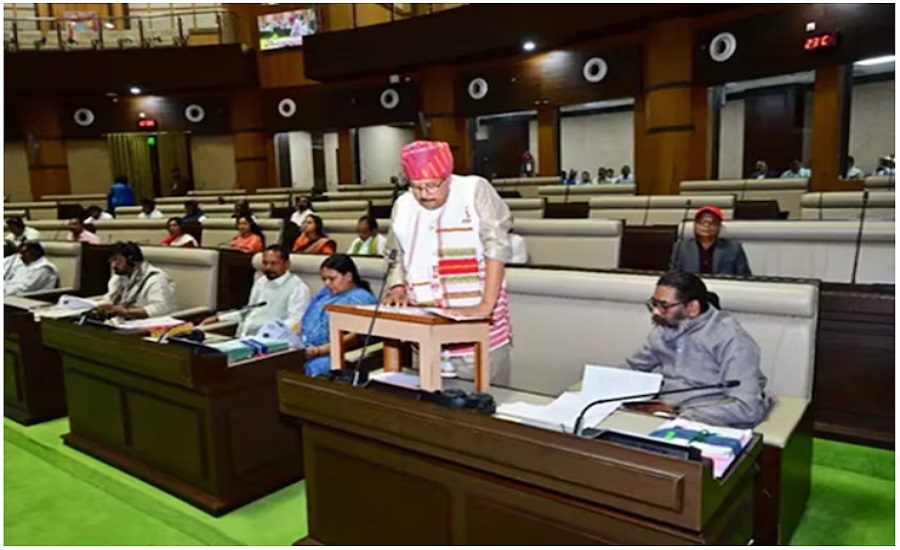
Ranchi: In a landmark move for rural development, the Jharkhand Assembly approved a ₹6,450 crore third supplementary budget, described by Rural Development and Panchayati Raj Minister Deepika Pandey Singh as a decisive step with long-term impact on the state’s villages.
Focus on Transforming Rural Jharkhand
Minister Deepika Pandey Singh emphasized that the budget is more than a financial allocation—it represents a commitment to reshaping the destiny and landscape of Jharkhand’s villages. She highlighted that this is the first time the state has provided ₹605 crore to panchayats based on the recommendations of the State Finance Commission, strengthening grassroots governance.
Read also: Jharkhand Reduces Age Cut-Off for 14th JPSC Civil Services Exam, Thousands of Candidates Get Relief
Key Allocations in the Third Supplementary Budget
Rural Works Department – ₹1,717.58 Crore
The largest share has been earmarked for the Rural Works Department, which will be used to:
- Strengthen rural roads, bridges, and basic infrastructure
- Improve connectivity and accessibility in villages
- Enhance the durability and efficiency of public facilities
Panchayati Raj Department – ₹658 Crore
This allocation aims to empower panchayats financially, administratively, and institutionally, including:
- Strengthening Gram Sabha functions
- Boosting local-level decision-making
- Enhancing overall governance at the village level
Rural Development Department – ₹594.88 Crore
Funds for the Rural Development Department will support:
- Rural livelihood programs
- Social security initiatives
- Women self-help groups (SHGs) and poverty alleviation programs
- Accelerating development projects to uplift marginalized communities
Leadership Acknowledgment
Minister Singh expressed gratitude to Chief Minister Hemant Soren and Finance Minister Radhakrishna Kishore for their support in driving these initiatives, highlighting that the budget will have a transformative impact on rural Jharkhand.
The ₹6,450 crore third supplementary budget reflects Jharkhand’s commitment to sustainable rural development, local empowerment, and inclusive growth. With targeted allocations to key departments, the state aims to strengthen infrastructure, governance, and livelihoods across villages, marking a historic step for its rural communities.