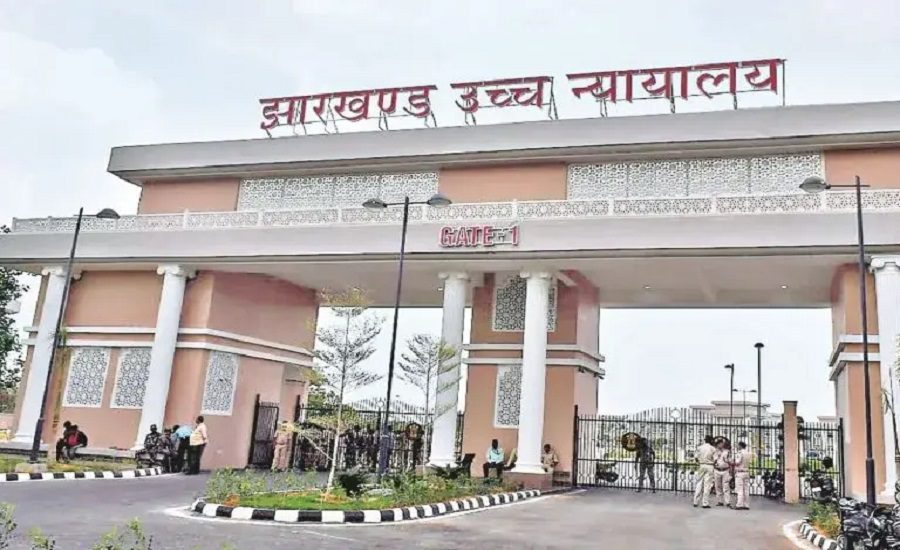
Ranchi: In a landmark decision aimed at strengthening ethical blood transfusion practices and improving healthcare infrastructure, the Jharkhand High Court has imposed a complete ban on the long-standing practice of blood-for-blood replacement across hospitals in the state.
The court has also directed the Jharkhand government to establish Blood Component Separation Units (BCSUs) in every district within a strict timeline of three months.
The ruling marks a significant shift in how blood is collected, stored, and supplied in Jharkhand, aligning the state’s healthcare system with national and global best practices.
Jharkhand High Court Blood Replacement Ban: What Is Blood Replacement
Blood replacement, a practice followed in many hospitals across India, requires a patient’s relatives or attendants to arrange donors to replace the blood used during treatment. This system has long been criticized for encouraging unsafe donations, coercion, and inequitable access to lifesaving blood.
The Jharkhand High Court observed that such a system violates the fundamental principles of voluntary blood donation and poses serious risks to patient safety. The court ruled that blood must be treated as a public health resource, not a conditional commodity.
What Are Blood Component Separation Units (BCSUs)?
Blood Component Separation Units play a crucial role in modern transfusion medicine. Instead of transfusing whole blood, BCSUs allow blood to be separated into components such as:
- Red Blood Cells (RBCs)
- Platelets
- Plasma
- Cryoprecipitate
This approach ensures optimal use of each donated unit, allowing one donation to help multiple patients. It is especially beneficial for patients suffering from anemia, cancer, trauma, and blood disorders.
Key Directions Issued by the Court on the Jharkhand High Court Blood Replacement Ban
The order was passed by a double bench led by Chief Justice Tarlok Singh Chauhan and Justice Rajesh Shankar, following detailed deliberations on blood safety standards and public health concerns.
The court’s major directives include:
- Complete ban on blood-for-blood replacement in all government and private hospitals across Jharkhand
- Mandatory establishment of Blood Component Separation Units (BCSUs) in every district within three months
- 100% blood collection through voluntary donation camps only, eliminating replacement and paid donations
- Strict compliance with National Blood Transfusion Programme (NBTP) guidelines, particularly Guideline 8.5
- Equal accountability for government and private hospitals in implementing the new system
These measures aim to ensure transparency, safety, and equitable access to blood for all patients.
Legal and Medical Rationale Behind the Jharkhand High Court Blood Replacement Ban Decision
According to court-appointed amicus curiae Khusboo Kataruka, the ruling is fully aligned with NBTP norms, which emphasize voluntary, non-remunerated blood donation as the safest and most ethical model.
Medical experts have consistently warned that replacement donations often result in unsafe blood collection due to pressure on donors, incomplete screening, and compromised quality checks.