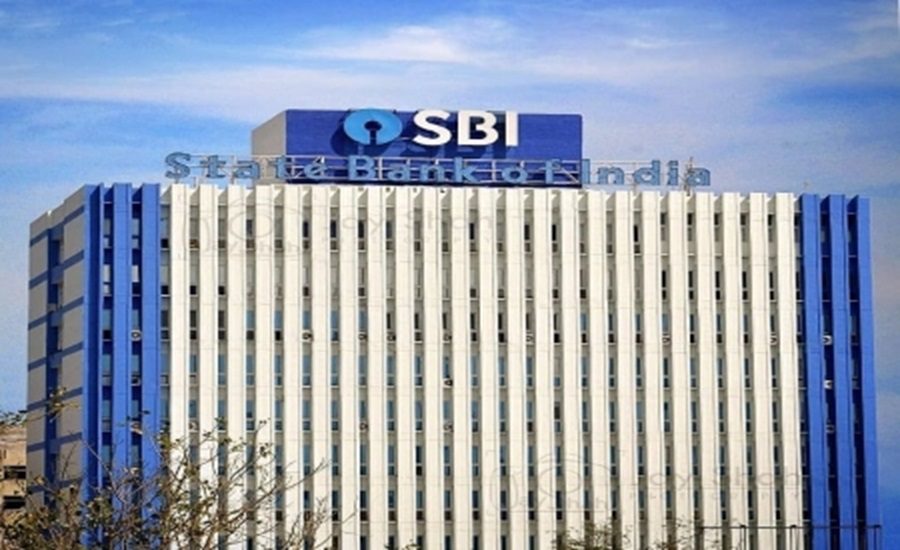
New Delhi: State Bank of India (SBI), the country’s largest lender, has announced a significant leadership transition as three senior executives retire on 30 November 2025. The disclosure was made under Regulation 30 of SEBI’s LODR framework, highlighting the impact these retirements may have on the Bank’s operations, strategy, and governance.
Who Is Retiring?
The retirements affect key roles in Retail Banking, Finance, and Compliance, marking a notable shift in SBI’s top management. The executives retiring are:
- Vinay M Tonse – Managing Director, Retail Banking and Operations
He has been instrumental in driving retail initiatives and digital growth strategies, shaping the way SBI engages with customers across the country. - Saloni Narayan – Deputy Managing Director, Finance
A pivotal figure in financial management and capital planning, her retirement is expected to bring changes among the Bank’s Key Managerial Personnel and senior finance roles. - Ruma Dey – Deputy Managing Director, Special Projects (Compliance and Data Protection)
She played a critical role in enhancing compliance frameworks and strengthening data governance practices at SBI.
Read also: SBI to Acquire Up to 9.9% Stake in CareEdge Global IFSC Limited with ₹2.97 Crore Investment
Why These Changes Matter
The retirement of three senior executives simultaneously is a significant event for SBI, as it impacts:
- Strategic direction of retail banking operations
- Ongoing digital banking projects and customer-centric initiatives
- Financial management, capital planning, and risk oversight
- Compliance, data protection, and regulatory adherence
This transition is expected to lead to internal role reshuffles and new appointments in the coming weeks, which could influence SBI’s long-term operational strategy and digital transformation plans.
Official Statement and Next Steps
The announcement was formally disclosed by Aruna N Dak, DGM, Compliance and Company Secretary, as per SEBI requirements. The Bank has indicated that it will soon announce the successors and internal role adjustments, ensuring a smooth transition and continuity of leadership.
About State Bank of India
Founded in 1955, State Bank of India (SBI) is India’s largest public sector bank and a leading financial institution in the country. With a vast network of branches and ATMs, SBI offers a wide range of banking services, including retail, corporate, and investment banking. As a Public Sector Undertaking (PSU), the Bank plays a pivotal role in supporting India’s economy, financial inclusion, and national development objectives.
Read also: SBI to Complete Core-Banking Modernisation in Two Years, Enhances Fintech Collaboration