New Delhi: The Reserve Bank of India (RBI) Monetary Policy Committee (MPC) has commenced its three-day deliberations to decide the future course of India’s key interest rates. Market participants are widely anticipating a 25 basis point cut in the repo rate, although some experts suggest that the central bank may maintain the status quo given robust economic growth.
The six-member rate-setting panel, headed by RBI Governor Sanjay Malhotra, a 1990-batch IAS officer from the Rajasthan cadre, is scheduled to announce its decision on Friday. The meeting takes place against the backdrop of falling inflation, rising GDP growth, the rupee crossing 90 against the US dollar, and ongoing geopolitical tensions.
Current Economic Context
Since February, the RBI has reduced the repo rate by 100 basis points across three tranches, primarily in response to declining Consumer Price Index (CPI) inflation.
- CPI-based retail inflation has remained below the 2% lower bound mandated by the government for the past two months.
- India’s economy posted a stronger-than-expected GDP growth of 8.2% in the second quarter.
These developments have fueled expectations that the RBI might ease rates further. Crisil Chief Economist Dharmakirti Joshi stated, “We anticipate a 25-basis point cut in the repo rate in December. While growth remains robust, a significant decline in retail inflation in October has created additional room for this adjustment.”
Arguments for a Pause on Rate Cuts
Despite favorable inflation and growth data, some economists predict that the RBI may hold the repo rate at 5.50% and maintain a neutral stance in December’s meeting. Bank of Baroda Economist Aditi Gupta noted that strong GDP growth, sustained by fiscal consolidation, public investment, and reforms such as the GST rate cut, provides room for the central bank to pause while monitoring global uncertainties.
The government mandates that the RBI maintain retail inflation at 4% with a ±2% tolerance. Observers believe that the MPC will carefully weigh domestic and global economic signals before deciding.
GDP Growth and Economic Outlook
Given India’s better-than-expected first-half performance, the RBI is expected to revise its GDP growth forecast upwards. Earlier in October, the central bank had projected 6.8% GDP growth for the current financial year, up from 6.5%.
With 8% growth in the first half of FY26, India may exceed the annual growth target of 6.3–6.8% projected in the Economic Survey in January. This robust growth trajectory strengthens the case for a cautious approach in interest rate policy.
What to Expect
The RBI’s December meeting will provide clarity on whether the central bank will –
- Cut the repo rate by 25 basis points
- Maintain the current rate at 5.50%
- Continue to monitor inflation trends and global uncertainties while maintaining a neutral monetary stance
Market participants and investors are closely watching the outcome, as it will influence borrowing costs, investment decisions, and economic sentiment for the remainder of the fiscal year.
About RBI
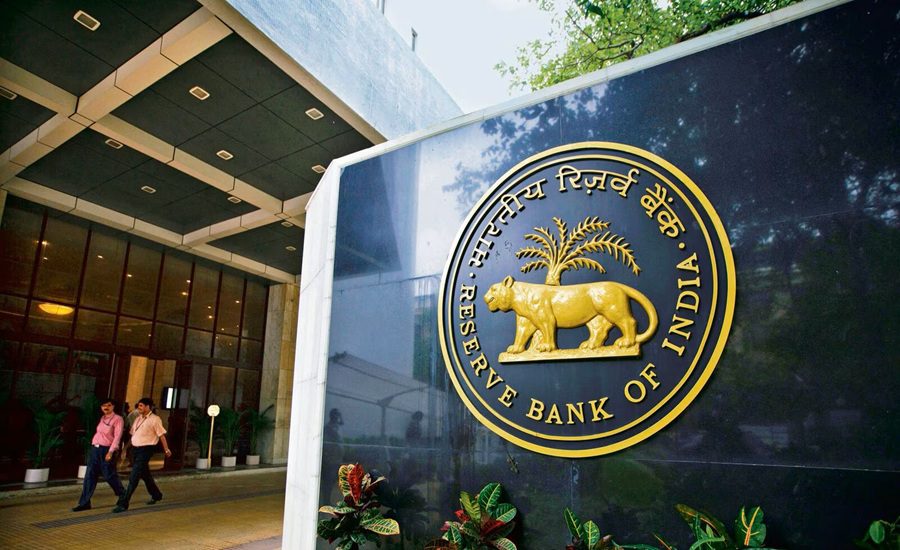
The Reserve Bank of India (RBI) is India’s central bank, established on April 1, 1935, to manage the country’s monetary and financial system. Its primary functions include issuing currency, regulating banks, managing monetary policy to maintain price stability, and promoting financial inclusion and digital payments. The RBI is also responsible for managing the nation’s foreign reserves and acting as the government’s banker.
- Establishment: Founded on April 1, 1935, based on the recommendations of the Hilton Young Commission.
- Governance: It was nationalized in 1949 and is owned by the Government of India.
- Ownership: The Union Ministry of Finance owns the RBI.
Key Roles
- Monetary Authority: Regulates the issue of banknotes and manages the country’s currency and credit system.
- Regulator and Supervisor: Oversees the banking system to maintain public confidence, protect depositors, and ensure cost-effective banking services.
- Manager of Foreign Exchange: Manages the country’s foreign reserves.
- Government’s Banker: Manages government accounts and public debt.
- Subsidiaries: It has fully owned subsidiaries such as the Deposit Insurance and Credit Guarantee Corporation of India (DICGC) and the Bharatiya Reserve Bank Note Mudran Private Limited (BRBNMPL).
- Communication Policy: Aims to provide clarity on its role, build confidence in its policies, improve transparency, and increase public awareness about financial stability, as detailed in its Communication Policy.
- First Governor: The first Governor was Sir Osborne Arkell Smith, and the first Indian Governor was Sir C. D. Deshmukh.