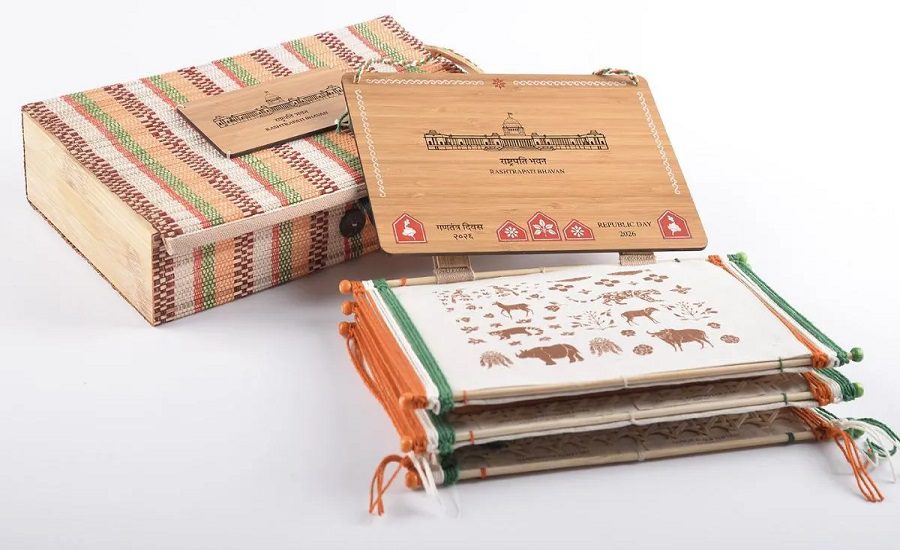
New Delhi: As India prepares to celebrate its 77th Republic Day, the Rashtrapati Bhavan has unveiled a special Republic Day ‘At Home’ reception invitation kit that goes far beyond a formal invitation. Dedicated to the art, craft, and cultural heritage of Northeast India, the invitation offers a powerful glimpse into the region’s centuries-old traditions, sustainable lifestyles, and artistic excellence.
The ‘At Home’ reception, to be held on January 26, 2026, will symbolise not only India’s national strength but also its deep cultural consciousness, proudly presenting the Northeast’s legacy on a national and global platform.
Invitation Kit Celebrates Eight Northeastern States
The specially designed invitation kit highlights the traditional crafts and material culture of all eight northeastern states – Arunachal Pradesh, Assam, Manipur, Meghalaya, Mizoram, Nagaland, Sikkim, and Tripura.
Each element of the kit honours the craftsmanship passed down through generations, reflecting the vibrant identity and cultural diversity of the Northeast.
Crafted Through a Unique NID–Artisan Collaboration
The invitation kit is the result of a remarkable collaboration led by the National Institute of Design (NID), Ahmedabad, under the guidance of NID Director Dr. Ashok Mandal.
Beginning in September 2025, NID teams travelled extensively across the northeastern region to study local crafts and interact with artisans. More than 350 skilled artisans, along with designers and students, worked together to create the kit.
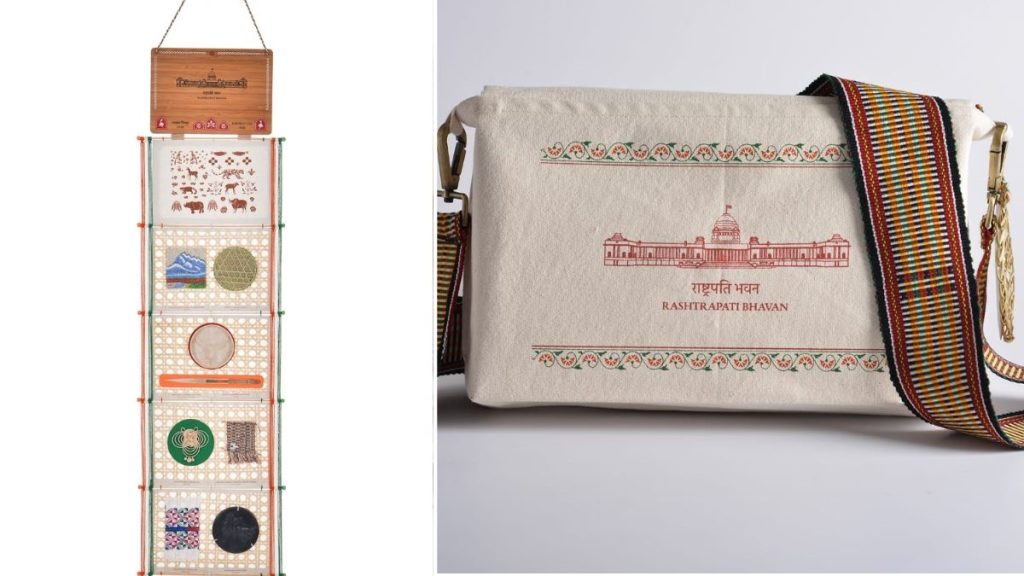
Officials described the project as not merely an invitation, but a living document of tribal heritage, sustainability, and traditional wisdom embedded in the everyday lives of the Northeast’s communities.
Tripura: Bamboo Weaving Forms the Foundation
The outer box of the invitation kit is crafted using Tripura’s traditional bamboo weaving technique. Cotton threads have been used to bind and strengthen the structure, reflecting both sustainability and indigenous craftsmanship.
Meghalaya and Assam: Subtle Artistry in Details
- The address tag on the invitation features Meghalaya’s smoked bamboo ornamentation, showcasing refined bamboo craftsmanship.
- The cover design draws inspiration from traditional Assamese manuscript illustrations, adding a historical and artistic dimension to the presentation.
Manipur: Black Pottery and the Shirui Lily
The kit includes a sample of Manipur’s renowned black pottery, intricately depicting the Shirui Lily, the state flower. The element symbolises Manipur’s deep connection with nature and its unique ceramic traditions.
Sikkim and Nagaland: Rare Textiles and Natural Fibres
- From Sikkim, the kit features Lepcha fabric woven from nettle fibres, highlighting sustainable textile practices rooted in nature.
- From Nagaland, it includes a rare textile from the Khiamniungan tribe, representing the intricate weaving traditions of the state’s indigenous communities.
Special Highlight: Traditional Loin Loom–Inspired Wall Hanging
The most striking element of the invitation kit is a wall-hanging scroll made from octagonal bamboo weaving. Designed in the style of a traditional ‘loin loom’, the piece pays tribute to a weaving technique used by women across northeastern India for generations.
This feature symbolises women-led craftsmanship, continuity of tradition, and cultural resilience.
Symbol of Sustainability and Cultural Pride
Beyond aesthetics, the invitation kit reflects the sustainable lifestyle of the Northeast, where natural materials, eco-friendly techniques, and minimal waste form the backbone of daily life. Officials noted that the kit embodies the idea that heritage and sustainability can coexist with modern national celebrations.
A Cultural Message to the World
With this thoughtfully curated invitation, Rashtrapati Bhavan has transformed a ceremonial object into a cultural narrative, sending a strong message about India’s diversity, inclusivity, and respect for indigenous traditions.
As the nation marks its 77th Republic Day, the invitation stands as a reminder that India’s strength lies not only in its institutions and achievements, but also in its living cultures and people.