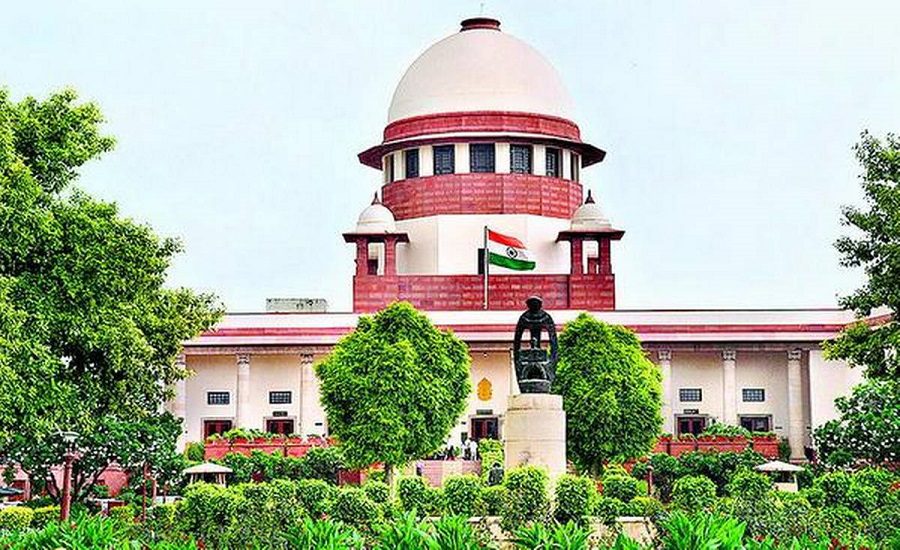
New Delhi: The Supreme Court of India refused to entertain an Indian Forest Service officer’s plea challenging the prosecution sanction granted to the Central Bureau of Investigation (CBI) in a high-profile case concerning alleged illegal construction and extensive tree felling in Jim Corbett National Park. The top court’s decision marks a key moment in the ongoing legal battle over environmental protection and accountability in one of India’s most significant tiger reserves.
Details of Corbett Park Tree Felling Case
A three-judge bench led by Chief Justice Surya Kant, along with Justices Joymalya Bagchi and Vipul M. Pancholi, heard the challenge to the sanction order. During the hearing, the court indicated that continued arguments against the prosecution could prompt it to consider framing criminal charges against the officer if the matter was persistently contested. The officer’s counsel consequently withdrew the plea.
Read also: Indian Forest Services Trainee Officer in Dehradun Duped of ₹98,000 in Credit Card Cyber Fraud
The bench noted that the record showed tree felling labeled as “bona fide felling” — a description the court questioned as potentially amounting to a criminal offense.
Background of Corbett Park Tree Felling Case
The matter stems from a long-running investigation into alleged illegal construction activities and large-scale tree felling within Jim Corbett National Park, Uttarakhand’s oldest and famed wildlife reserve. The CBI is probing these alleged violations under monitoring from the Supreme Court.
Earlier legal proceedings included contempt notices and disputes between the Supreme Court and the Uttarakhand High Court. At one point, the high court had stayed the state government’s sanction for prosecution, prompting the Supreme Court to intervene, stay that order, and take over the case record.
Officer’s Withdrawal of Plea
Faced with the court’s stern observations about the seriousness of the allegations and the potential consequences of further submissions, the forest officer, identified in reports as Rahul, chose to withdraw his petition. With the challenge withdrawn, the sanction for prosecution stands, potentially clearing the way for further criminal proceedings connected to illegal tree cutting and unauthorised constructions within the protected forest area.
What is the Significance of Corbett Park Tree Felling Case
Legal analysts say the Supreme Court’s decision reflects a firm stance on environmental rule of law and judicial oversight in forest and wildlife protection cases. The refusal to entertain challenges to prosecution sanctions reinforces the principle that allegations of environmental damage in sensitive regions like Corbett Park must face full legal scrutiny without delay.
Read also: Turning Point for Indian Lawyers: Supreme Court Questions BCI’s Ban in Bar Council Elections