7 November 2026
ADVERTISEMENT
ADVERTISEMENT

UPSC : The Blessed Vs The Rest

2019 UPSC results show over 50 percent winners to be engineers. For other professionals, including the doctors, it is an uphill task. The trend of last many years remains largely unchanged.
Indian Masterminds Stories

Are you an engineering graduate? Then smile, you stand much better chance at being the next IAS, IPS or IRS officer. If not, the odds are stacked heavily against you. This is not us, but the official figures released by the UPSC, which makes this unnerving interpretation.

The last few years’ data of the candidates who managed to crack UPSC has thrown up some very interesting results. The overwhelming winners are engineers, followed by….Just plain graduates! Others, with even those having professional degrees, constitute a very small percentage of the whole lot.

Consider this: 2019 UPSC results show that out of first 20 rank holders, 12 are engineers. In 2017, 19 out of first 20 winners were engineers. So should one take it that a degree in engineering could be the key to unlock the tough UPSC door?

A Challenge for the Doctors

The results also point at a deepening chasm between engineers and other professionals who clear UPSC. While 400-plus engineers were  successful in cracking UPSC in 2019, making for roughly 50 percent of 829 winners, only six doctors have made it to the final list.

In fact, as per the data with the Department of Personnel and Training (DoPT) for the year 2014 to 2016, very few recruits (barring engineers) have any specialization.

The only doctors who cleared  2019 UPSC are Dr Arun (rank 55), Dr Darpan Ahluwalia (rank 83), Dr Harsha Priyamvada (rank 165), Dr Abhishek Gowda (rank 278), Dr Vivek Reddy (rank 485)and Dr Adithya Bansal (rank 104).

But, Says Niti Ayog…

Incidentally, these trends seem to be going against the perceived, effective structure of civil services which the Niti Ayog has envisioned. In its document `Strategies for India@75’, released last week, the Ayog suggested that new civil servants should be allocated positions on the basis of their domain expertise and specialization. It recommended placing the recruits into “centralized talent pool, after which candidates can be allocated positions in the Government, based upon their qualification and expertise.’’

But how can this be done if the majority of winners come from just one field- engineering- and the second major block, of plain graduates, is devoid of any specialization?

Counter-Intuitive Strategy

Another interesting trend which has emerged is that for their civil services exams, most engineers and doctors do not choose subjects from their own respective fields. In a written reply in the Rajya Sabha last year, the Government placed on record the startling disclosure that most engineers and doctors choose public administration and sociology for their UPSC exam.

According to the data, for one particular year, less than 10 percent of doctors picked medical science as option for the exam.

For the first time this year, UPSC has made public the names, marks and details of all the candidates who made it to the interview stage but could not clear that final hurdle. This data also throws a stark revelation: nearly two-thirds of those rejected at the interview had engineering degrees.

Non-engineering aspirants can ask why this is so? Why the dice of chance, in perhaps the toughest and most sought after exam of India, is loaded in favour of engineers? There does not seem to be an easy explanation. Maybe it’s not a level-playing field, but so what? It could be that people often mistake one thing for another and get upset. As Oliver Wendell Holmes Jr., arguably the greatest American judge of all time, remarked during a hearing over a century ago, “this is a court of law, young man, not a court of justice’’. One can take heart from these words of wisdom, and stop looking for justice or justifications. 


Indian Masterminds Stories
Join our WhatsApp Channel
ADVERTISEMENT
ADVERTISEMENT
Related Stories
ADVERTISEMENT
ADVERTISEMENT
NEWS
Tri-Service Maritime Electronic Warfare Drill
India Boosts Joint Warfare Preparedness With Tri-Service Maritime Exercise
ADNOC Gujarat Energy LNG deal
India-UAE Energy Ties Grow As ADNOC Signs 10-Year LNG Deal With Gujarat Energy
Yogi Adityanath
Yogi Adityanath to Celebrate Diwali With Van Tangiya Community, Announce ₹78 Crore Projects
Indigenous Secure Airborne Communication System
Indian Air Force Signs Agreement To Develop Indigenous Secure Airborne Communication System
78th Batch IPS Trainees Manipur
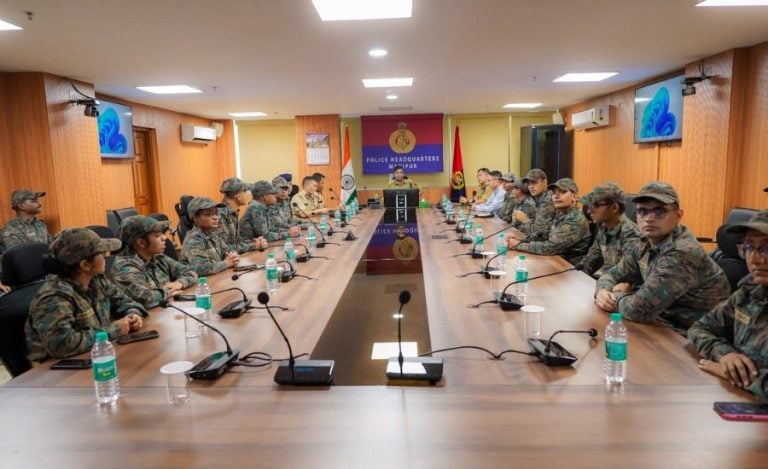
Manipur Police Headquarters Hosts 78th Batch IPS Trainees for Security Briefing
Martin Baker
Martin-Baker To Build Ejection Seat Factory In Karnataka With 500+ Jobs
India Human Deep Sea Mission
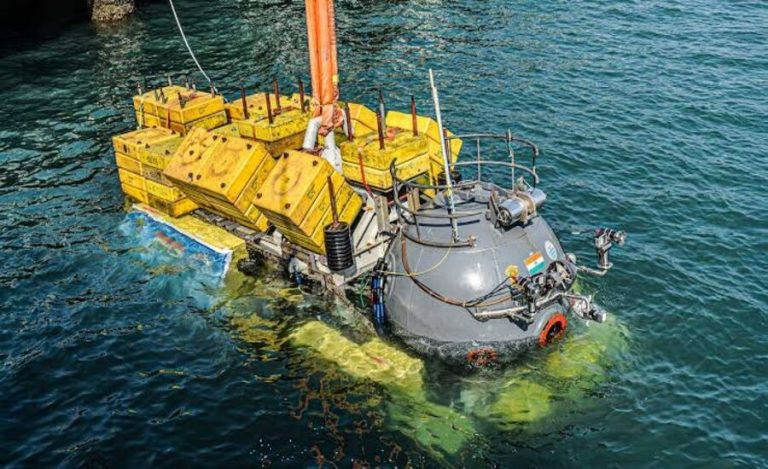
India Targets 6,000-Metre Deep-Sea Mission By 2028 Under Samudrayaan Project
CJI Surya Kant
CJI Surya Kant Pushes For Financial Assistance For Young Lawyers In India
ADVERTISEMENT
ADVERTISEMENT
Videos
Five years after Kargil, India sent its cricketing heroes to Pakistan where terrorism posed a deadly threat. The man guarding them, former Special Director of Intelligence Bureau, Mr. Yashovardhan Azad, reveals what all went behind the scenes during that crucial tour. 
Trust No One, Said His Instinct in Pakistan
Gajendra Singh Shekhawat
How India Plans to Boost Tourism, Create Jobs and Ease Overcrowding : Gajendra Singh Shekhawat on the Road to 2047
Dr Saket Badola IFS
Beyond Tigers and Safaris: How Corbett Literature Festival Wants to Change the Conservation Conversation
ADVERTISEMENT
UPSC Stories
IDAS Himanshu Tembhekar
Should UPSC Aspirants Give Up Their Hobbies? IDAS Officer Himanshu Tembhekar Explains
Should UPSC aspirants give up their hobbies? IDAS officer Himanshu Tembhekar explains how hobbies help...
UPSC Story
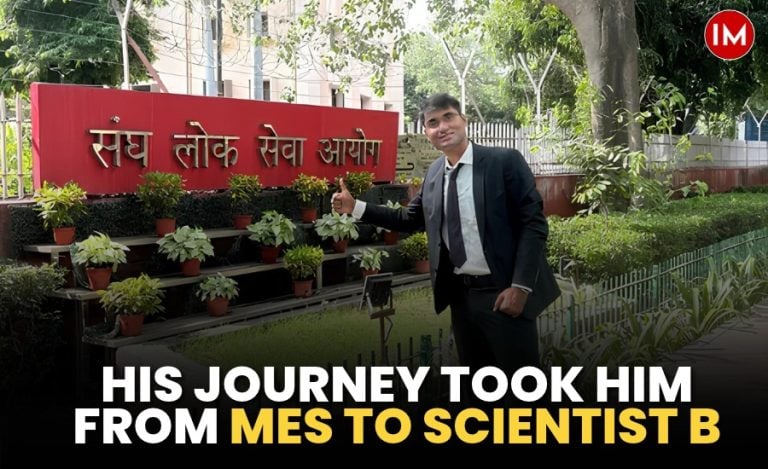
He Taught Students to Meet Expenses. Today, Sachin Bhadouria is a Scientist ‘B’ at CWPRS
Sachin Bhadouria overcame financial challenges and a Hindi-medium background to secure AIR 2 in a UPSC...
Vishwas Jhargad UPSC CAPF
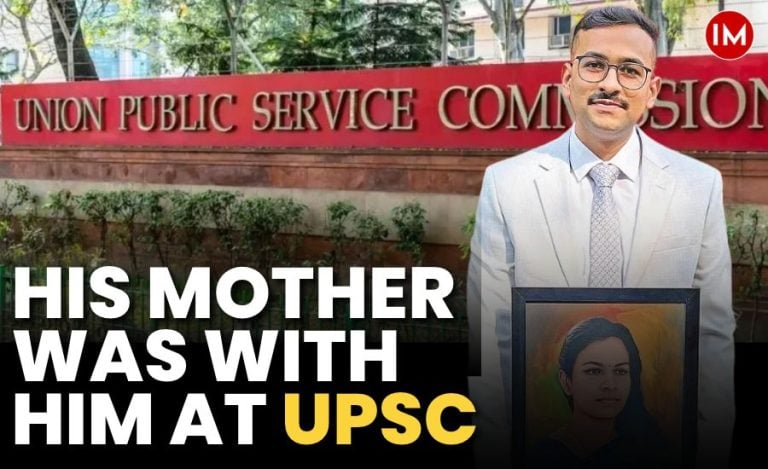
A Photograph of His Mother Accompanied Vishwas Jhargad to the UPSC Interview, Where His Dream Came Closer
Vishwas Vijay Jhargad lost both parents as a child. With his family's support, he secured AIR 145 in...
CSR NEWS
NCL CSR Blood Bank Project
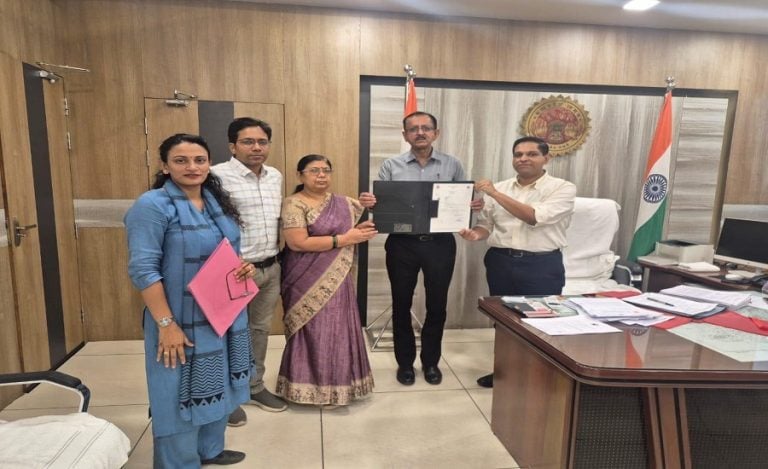
NCL Signs ₹1.16 Crore CSR MoU to Establish Blood Bank at District Hospital in Singrauli
The project will fund essential medical equipment, furniture and renovation of the existing building...
REC Foundation Solar Street Light
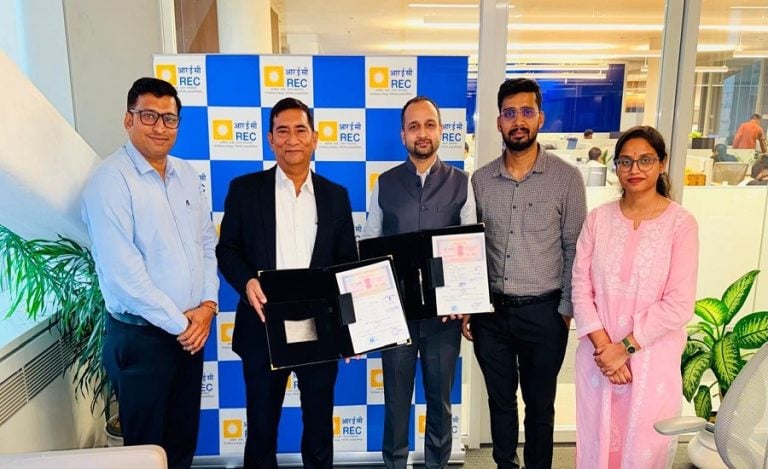
REC Foundation to Install 350 Solar Street Lights Across Six Districts of West Bengal to Improve Rural Safety 
The CSR initiative, undertaken in partnership with Y4D Foundation, aims to improve night-time safety...
nalco
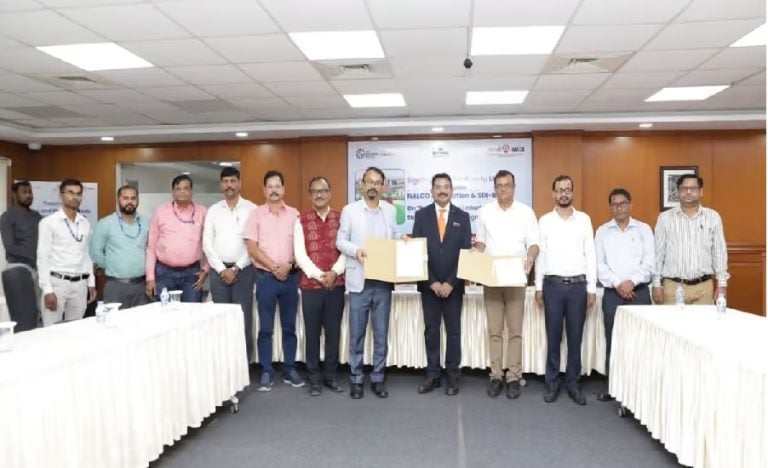
NALCO Signs MoU with SDI Bhubaneswar to Provide Skill Training to 60 Youths in Odisha
The three-month CSR programme will benefit youths from villages near NALCO's Angul and Koraput complexes,...
ADVERTISEMENT
ADVERTISEMENT
ADVERTISEMENT
Latest
Tri-Service Maritime Electronic Warfare Drill
India Boosts Joint Warfare Preparedness With Tri-Service Maritime Exercise
ADNOC Gujarat Energy LNG deal
India-UAE Energy Ties Grow As ADNOC Signs 10-Year LNG Deal With Gujarat Energy
ADVERTISEMENT
ADVERTISEMENT
ADVERTISEMENT
ADVERTISEMENT
ADVERTISEMENT
ADVERTISEMENT
ADVERTISEMENT
Videos
Five years after Kargil, India sent its cricketing heroes to Pakistan where terrorism posed a deadly threat. The man guarding them, former Special Director of Intelligence Bureau, Mr. Yashovardhan Azad, reveals what all went behind the scenes during that crucial tour. 
Gajendra Singh Shekhawat
Dr Saket Badola IFS
ADVERTISEMENT
ADVERTISEMENT