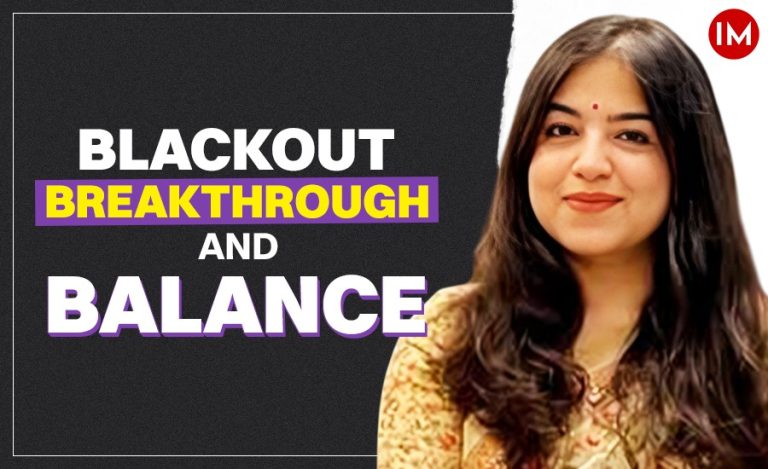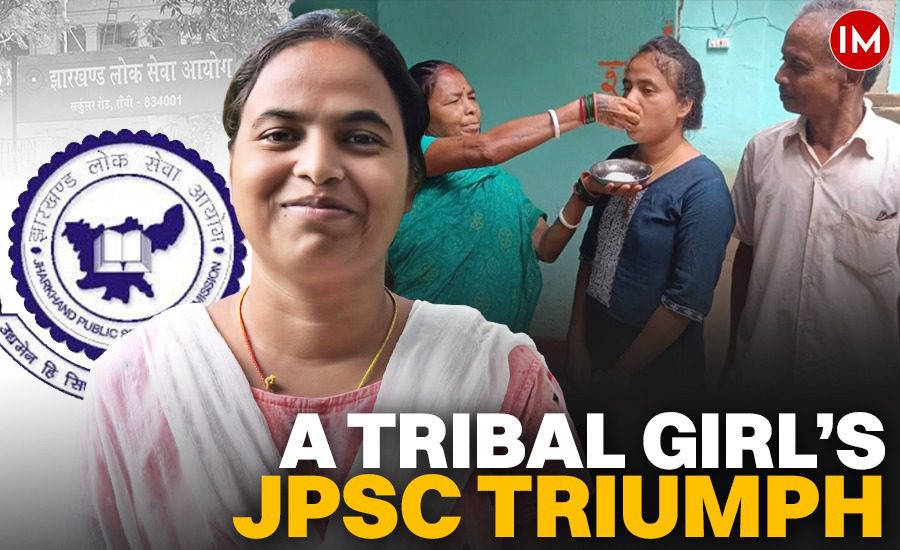
When the results of the Jharkhand Public Service Commission (JPSC) 2023 examination were announced, 342 candidates saw their names on the final list. Among them was Babita Singh, a young woman from the Mal Paharia community in Dumka district. She secured Rank 337 in the JPSC 11th and 13th Combined Civil Services Examination, marking a rare and powerful moment for a Particularly Vulnerable Tribal Group (PVTG) that has long remained on the margins of development.
Babita’s success is not just a personal milestone; it carries significance for her entire community, which is struggling with poverty, low literacy levels, and limited access to basic facilities.
A COMMUNITY ON THE MARGINS
Jharkhand is home to 33 recognised tribal communities. The Paharia, also known as Mal Paharia, are among the most disadvantaged. Traditionally dependent on forests for survival, many families continue to rely on daily wage labour, forest produce, and small-scale farming. Access to healthcare, education, and infrastructure remains limited in several villages.
In many areas where the community resides, paved roads are absent and clean drinking water is scarce. Substance abuse among youth and high mortality rates have added to the social challenges. Government schemes have attempted to improve conditions, but progress has been slow.
For a young woman from such a background to aspire to—and achieve—a civil services position is uncommon.
EARLY LIFE AND EDUCATION
Babita Singh belongs to Asansol village under the Dumka Sadar block. She is one of four siblings. Her father, Bindulal Singh, works as a helper in a private school, earning a modest income that supports the family. Despite financial constraints, Babita completed her graduation in mathematics from Sido-Kanhu Murmu University in 2018.
After finishing her degree, she began preparing for competitive examinations. She initially attempted exams for banking, railways, and other government services but did not succeed. With each unsuccessful attempt, pressure from relatives and neighbours grew.
Her family, concerned about her future, urged her to consider marriage. In many tribal and rural households, early marriage for girls is common, especially when employment prospects appear uncertain. But Babita had set her priorities clearly.
She told her family she would not marry until she secured a government job. Her firm decision led to tense discussions at home. Eventually, her younger sister was married, while Babita continued her preparation.
PREPARING WITHOUT COACHING
Civil service preparation often requires access to coaching institutes, study materials, and mentorship—resources that can be expensive and urban-centric. Babita could not afford coaching classes in cities like Ranchi or Delhi. Instead, she relied on self-study.
She purchased books online whenever she could manage the money and used digital platforms to fill the gaps. YouTube lectures, Telegram groups, and online notes became her classroom. She made her own notes, revised consistently, and built her preparation strategy around available resources.
She began focused preparation for JPSC in 2021. This was her second attempt at the state civil services examination. For her optional subject, she chose the Khortha language, along with the compulsory papers required in the examination.
Her disciplined routine and structured approach gradually improved her performance. When the JPSC 2023 results were declared, her efforts paid off.
THE DAY OF THE RESULT
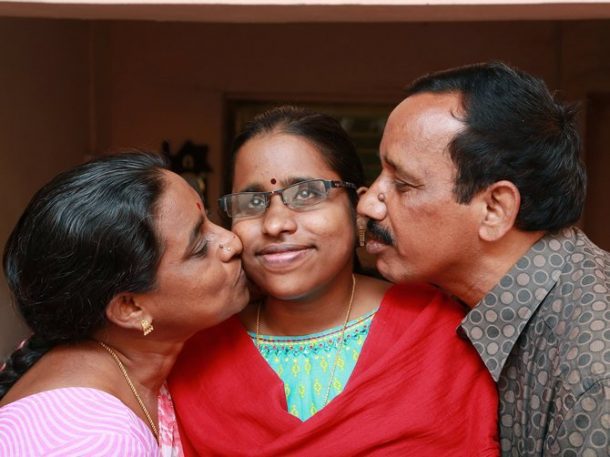
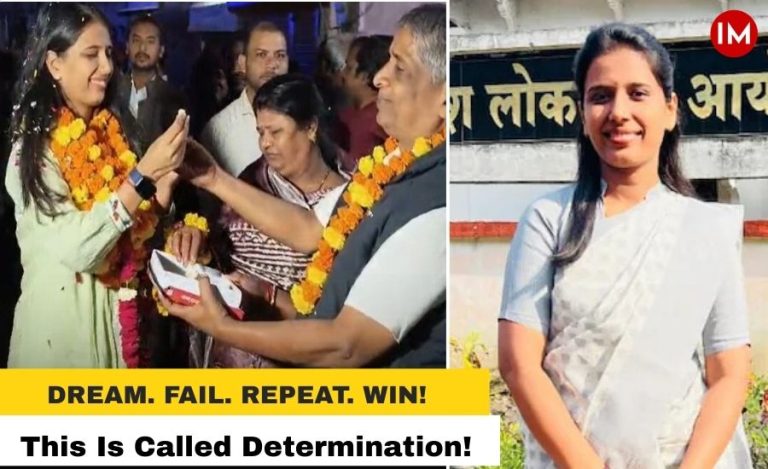
The announcement brought happiness to her household, but it also highlighted the family’s economic reality. There was no money to buy sweets to celebrate. Instead, her mother fed her sugar to mark the occasion and shared it with neighbours. It was a simple gesture, but one filled with pride.
Word spread quickly across the village and nearby areas. Members of the Paharia community visited her home to congratulate her and her parents. Shawls and bouquets were presented as a mark of respect. For many young students in the community, Babita’s achievement has expanded what seems possible.
RECOGNITION FROM THE ADMINISTRATION
Babita’s success was acknowledged at the district level as well. The Superintendent of Police (SP) of Dumka, Pitambar Singh Khairwar, invited Babita and her parents to his official residence to felicitate them. They were honoured with shawls and sweets.
During the occasion, the SP remarked that her journey shows that limitations of resources need not define one’s future. What matters is how effectively one uses what is available.
Such recognition from the district administration has further encouraged students from remote villages to consider competitive examinations as a viable path.
BREAKING SOCIAL BARRIERS
Beyond the exam rank, Babita’s story reflects a broader social shift. In many rural communities, especially among economically weaker groups, girls’ education often takes a back seat to early marriage and household responsibilities. By insisting on completing her preparation before marriage, Babita challenged a deeply rooted norm.
Her father has openly admitted that the family initially wanted her to settle down after repeated exam failures. But over time, they began to support her determination. That change in attitude within her own household played a crucial role in her journey.
Today, the same family that once worried about her delayed marriage proudly celebrates her success.
LOOKING AHEAD
According to reports, Babita has stated that her goal is not limited to securing a government position. She wants to work towards improving the conditions of her village and community. Basic amenities such as roads, safe drinking water, and better educational facilities remain urgent needs in her area.
She also hopes that more girls from the Mal Paharia community will pursue higher education and aim for government services. By demonstrating that self-study and digital tools can open doors, she has provided a practical roadmap for aspirants who cannot afford coaching.
A LARGER MESSAGE
Babita Singh’s selection in the Jharkhand Public Service Commission examination is significant on multiple levels. It highlights the growing role of digital learning in competitive exams. It underscores the importance of family support in breaking social constraints. And it brings attention to the aspirations of youth from Particularly Vulnerable Tribal Groups.
For many in Dumka district and beyond, Babita’s name will now be associated not only with Rank 337 in JPSC 2023 but also with a shift in expectations. In communities where government jobs once seemed distant, her achievement has sparked new conversations.