https://indianmasterminds.com

ADVERTISEMENT
ADVERTISEMENT

Katarniaghat Wildlife Sanctuary Sees Steady Rise in Gharial Numbers: Artificial Breeding, Hatchery Add to the Success

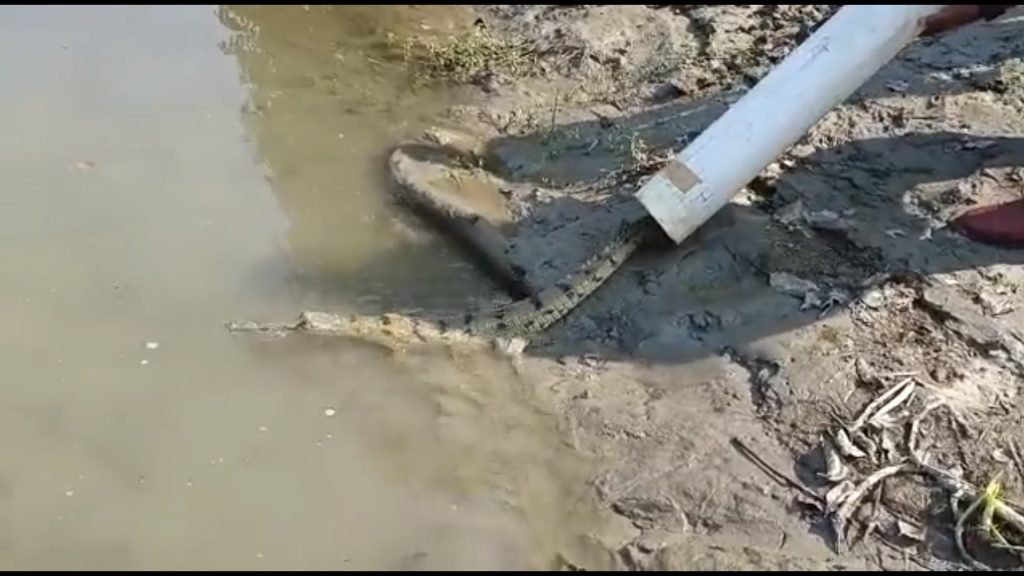
In the Katarniaghat Wildlife Sanctuary (KWS) in Uttar Pradesh, the Gharial population has been increasing steadily. The roadmap for Gharial conservation prepared by the forest department under the leadership of 2016-batch IFS officer Akash Deep Badhawan has been a success. Natural breeding and external augmentation have increased the population and nest counts from 14 and 5 in 1975 to 70+ and 36 in 2020, respectively.
Indian Masterminds Stories

The Katarniaghat Wildlife Sanctuary (KWS) has been taking a slew of initiatives to conserve the Gharial, one of the three species of Indian crocodiles. Breeding pads and hatchery have been made and a Gharial Conservation and Research Center is also being built.

The results are already showing as the critically endangered Gharial’s count has been increasing in this Uttar Pradesh wildlife sanctuary, situated in the Terai region of the Bahraich district. And, all because of a roadmap prepared under the leadership of 2016-batch IFS officer Akash Deep Badhawan. Right now, there are more than 360 gharials in the region.

Indian Masterminds interacted with Mr. Badhawan, who is the DFO of Katarniaghat Wildlife Sanctuary (KWS), to know more about the roadmap to increase Gharials.
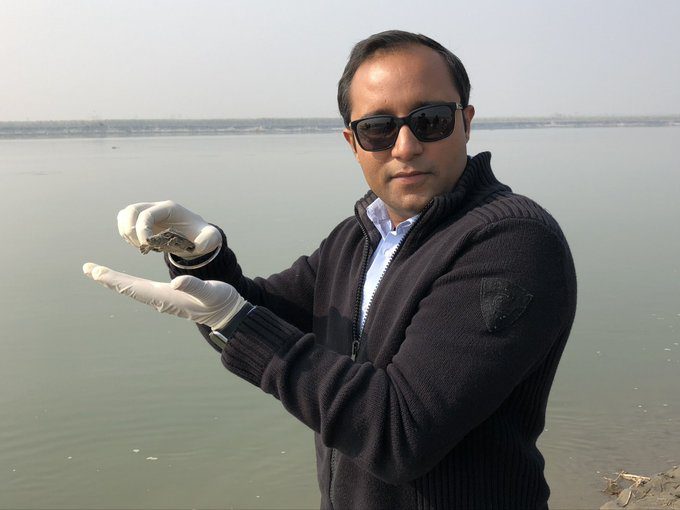
2016-batch IFS officer Akash Deep Badhawan

ARTIFICIAL BREEDING ALSO

Gharial is a highly vulnerable species, but is a sign of a healthy ecosystem. So, increasing their population is must, said Mr. Badhawan. Katarniaghat is one of the four places which were selected right in the beginning for Project Gharial, when it was started in 1975, such was the importance of Katarniaghat in terms of the Gharial population.

KWS has a wild breeding, resident Gharial population. Of late, for their conservation, artificial breeding pads are being made. Mr. Badhawan said, “In order to increase the population of Gharial, we help those eggs which do not hatch through these breeding pads. For this, we have also made a hatchery. And when the Gharial grows up a bit and we feel that they are fit for release, we release them into the water.”
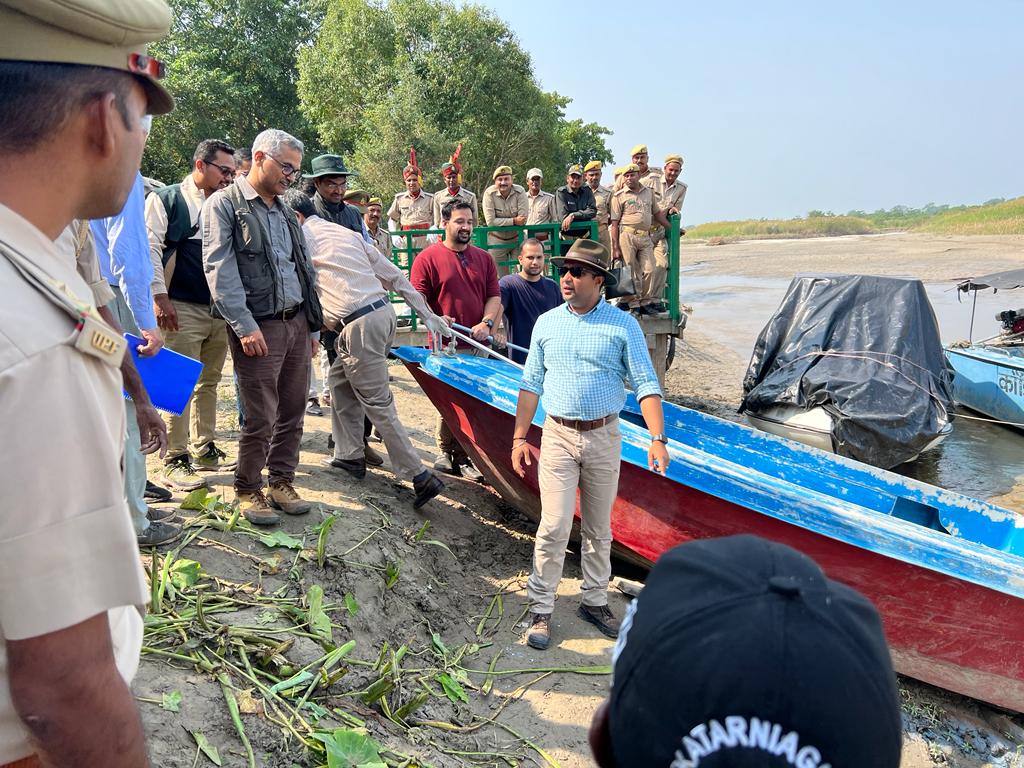
IFS officer Badhawan keeping an eye on Gharial releasing into water

HATCHERY FOR THE UNFIT

As for those not fit to be released, they are kept in the special hatcheries. “Some are disabled or have some other problems.So we keep them in our hatchery only. Some researchers are there in the hatchery who do research while taking care of the Gharials,and make modified changes to increase their longevity,” the officer said.

GHARIAL CONSERVATION PROGRAMME

These field researchers are part of the Gharial Conservation Programme (GCP) who are working to study the isolated and wild breeding Gharial population in the Katarniaghat Wildlife Sanctuary and nearby aquatic habitats.

Mr. Badhawan said, “The programme aims to identify the potential Gharial habitats and associated threats, and work with the stakeholders, to establish a long-term Gharial monitoring and conservation plan. This initiative aims to bring different stakeholders together and fill the gap of communication which is often found between the researchers and the implementing agencies. Landscape biodiversity plans are only successful with participation of all the key stakeholders.”
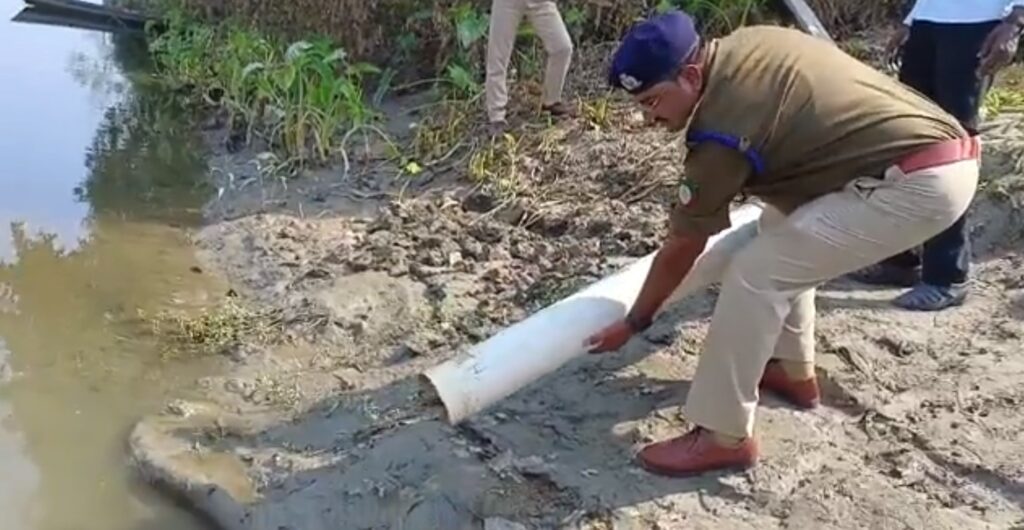
Releasing the Gharial into water

This initiative will enhance data sharing and networking, reduce resource expenses, and ensure equal participation of each stakeholder. At the same time, it is a wider vision of river conservation in Uttar Pradesh Gharial Conservation Programme embarking on its first landscape river conservation initiative.

“If done with a collective responsibility, we can establish Uttar Pradesh Forest department and all conservation stakeholders as leaders in river ecology management. We can showcase our work to other world bodies, like our innovation, community engagement and support programmes, etc.,” Mr. Badhawan said.

MORE ABOUT THE INDIAN GHARIAL

There are three species of Indian crocodiles, the Gharial, Magar and Saltwater crocodile. This was the reason that from 1975, the National Crocodile Conservation Project was started.
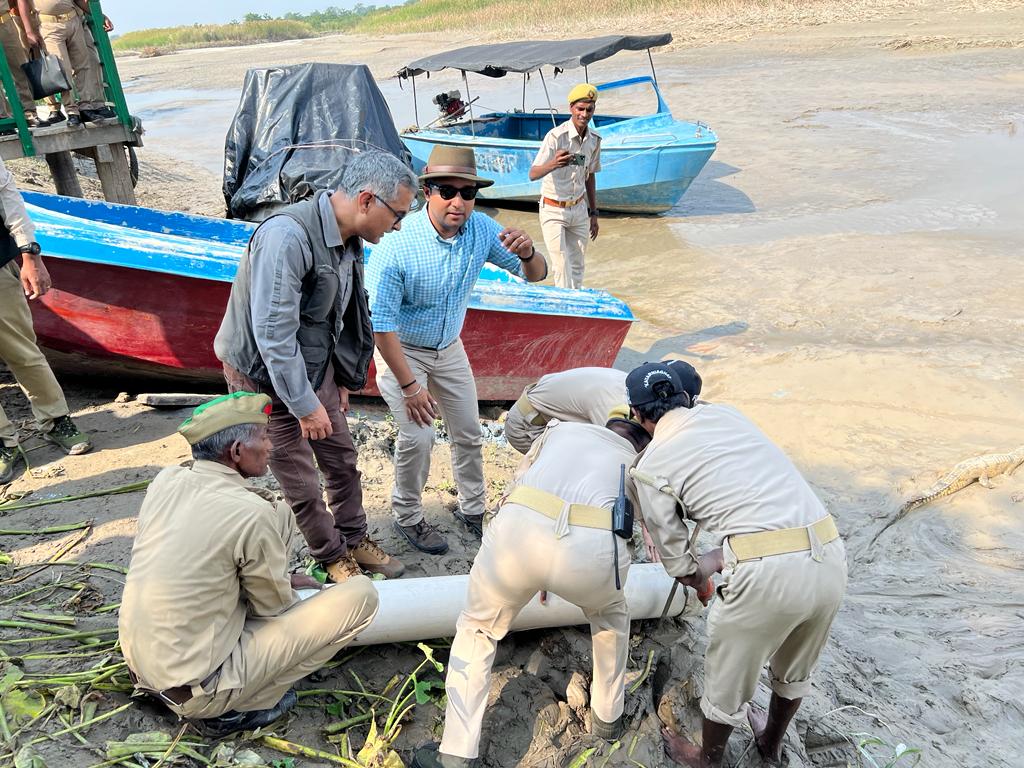
Mr. Badhawan releasing Gharial into water

KWS was designated as the 4th gharial (Gavialis Gangeticus) sanctuary under Project Crocodile. KWS has a wild breeding, resident Gharial population. The population is isolated to a 20 km stretch of Gerua and Kaudiyala Rivers. The isolation of this population resulted from construction of Girijapuri barrage in 1976 at the junction of Gerua and Kaudiyala rivers.

KWS gharial population was one of the source populations for collection of Gharial eggs during captive rear and release programme, which began in 1975. Natural breeding and external augmentation have increased the population and nest counts from 14 and 5 in 1975 to 70+ and 36 in 2020, respectively.

Indian Masterminds Stories
ADVERTISEMENT
ADVERTISEMENT
Related Stories
ADVERTISEMENT
ADVERTISEMENT
NEWS
Rekha Gupta cm
Delhi Government Revises 2025–26 Budget, Boosts Spending on Transport, Education, and Urban Development
mp
Madhya Pradesh CM Dr. Mohan Yadav Launches ‘Gram Vikas Pakhwada’ to Strengthen Rural Development
pm
PM Modi Inaugurates Vibrant Gujarat Regional Conference 2026, Calls Saurashtra-Kutch the “Anchor of India’s Growth”
Vibrant Gujarat Summit 2026 in Gandhinagar
Vibrant Gujarat Summit 2026: Rwanda and Ukraine Praise India’s Global Leadership and Investment Opportunities
CM Hemant Soren
Jharkhand CM Hemant Soren Launches Grassroots Innovation Internship, Boosts Education Initiatives
Rover-Ranger
Chhattisgarh Hosts First National Rover-Ranger Jamboree with 15,000+ Participants, CM Sai Emphasizes Youth Leadership
startup
Uttar Pradesh Surpasses 3,000 Startups under ‘Start in UP’, Emerges as Leading Innovation and Entrepreneurship Hub
Indian Oil IOCL
Indian Oil Officers Elect Kumar Gaurav as IOOA President for 2025–28 Amid Crucial PRC Negotiations
ADVERTISEMENT
ADVERTISEMENT
Videos
Col M Shashidhar
 Lessons From Operation Sindoor & Operation Absolute Resolve 
Dr
Why an MBBS Doctor Chose IAS and Cleared UPSC in Her First Attempt | Dr. Akshita Gupta Video Interview
Rohit Nandan IAS Travel Air
How To Bring Air Travel Industry Back on Track? | Insights from Former Civil Aviation Joint Secy Rohit Nandan
ADVERTISEMENT
UPSC Stories
Bhilai Steel Plant Diploma Engineer to CGPSC 2024 Deputy Collector – Yashwant Dewangan
Lost Father at 17, Worked Full-Time: Bhilai Steel Plant Diploma Engineer to CGPSC 2024 Deputy Collector – Yashwant Dewangan
Yashwant Kumar Dewangan, a BSP diploma engineer from Korba, overcame personal and professional challenges...
Aditi Chhaparia IFS UPSC
What UPSC Aspirants Can Learn from IFS Officer Aditi Chhaparia’s Measured Approach
What UPSC aspirants can learn from IFS officer Aditi Chhaparia (AIR 97)—her preparation strategy, mindset,...
Dev Tomar IRMS
His Grandfather Was a Rebel Dacoit, but Dev Tomar’s Father Chose Education—and That Changed Everything
Dev Tomar, from a rebel dacoit grandfather to an IRMS officer, cleared UPSC 2024 (AIR 629) after five...
Social Media
One-Horned Rhino Calf
Watch: First One-Horned Rhino Calf of 2026 Takes Birth at Jaldapara National Park, IFS Officer Shares Rare Footage
A newborn one-horned rhinoceros calf was spotted at Jaldapara National Park on January 1, 2026. IFS officer...
venomous banded krait
Rare Night Encounter: IFS Officer Spots Highly Venomous Banded Krait During Forest Patrol, Internet Amazed
An IFS officer’s night patrol video of a highly venomous banded krait has gone viral, highlighting India’s...
elephant rescue Karnataka
Heroic Karnataka Elephant Rescue: How a 28-Hour “Impossible Mission” Became a Triumph of Wildlife Care, IFS Parveen Kaswan Shares Video
A trapped elephant was rescued after 28 hours in Karnataka through a massive, expertly coordinated Forest...
ADVERTISEMENT
ADVERTISEMENT
ADVERTISEMENT
Latest
Atul Sobti, SCOPE
AI, Accountability and the Future of India’s PSUs: Atul Sobti on Why Public Sector Must Lead India’s Tech Transformation
Rekha Gupta cm
Delhi Government Revises 2025–26 Budget, Boosts Spending on Transport, Education, and Urban Development
ADVERTISEMENT
ADVERTISEMENT
ADVERTISEMENT
ADVERTISEMENT
ADVERTISEMENT
ADVERTISEMENT
ADVERTISEMENT
Videos
Col M Shashidhar
Dr
Rohit Nandan IAS Travel Air
ADVERTISEMENT
ADVERTISEMENT