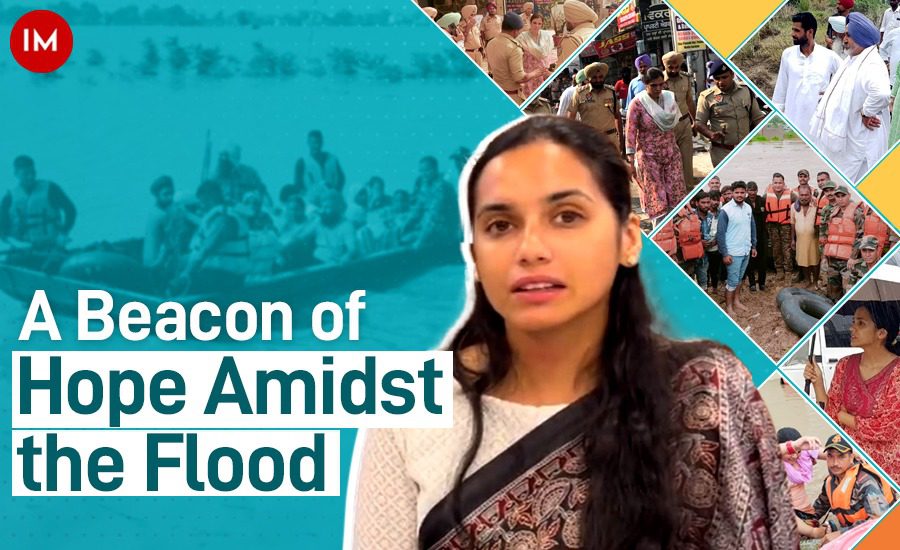
She left her 3-year-old daughter at home and went to save people from one of the worse floods that Patiala City in Punjab has ever seen. She adopted a hands-on approach and tackled the situation in time, saving thousands of lives and their belongings, working day and night on the field. She got to meet her daughter again after 7 days. She saw her photos on phone sent by her parents, who along with a nanny, took care of the daughter.
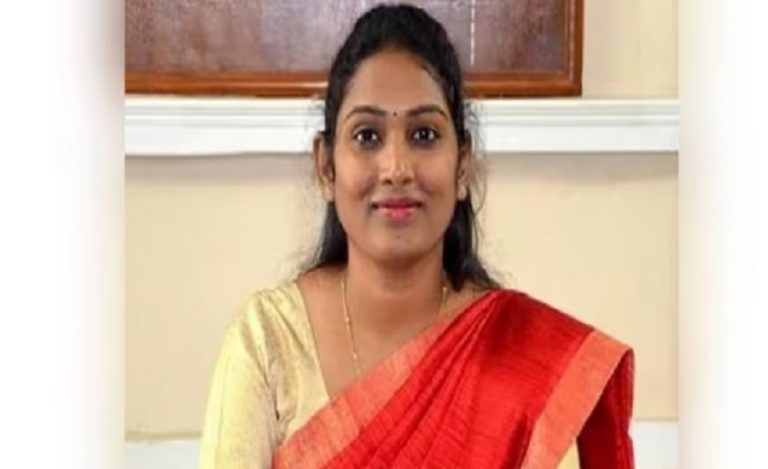
2014 batch IAS officer and Deputy Commissioner of Patiala, Ms. Sakshi Sawhney, has become a real life hero for the local people, as she waded through waters to rescue them, monitored the situation day and night without going home, persuaded people to move out of their houses in vulnerable areas, and tried to make the city feel safe and secure for all.
Indian Masterminds spoke to this officer who humbly refused to take credit and simply said that what she was doing was just part of her duty.
PATIALA REELS UNDER FLOOD
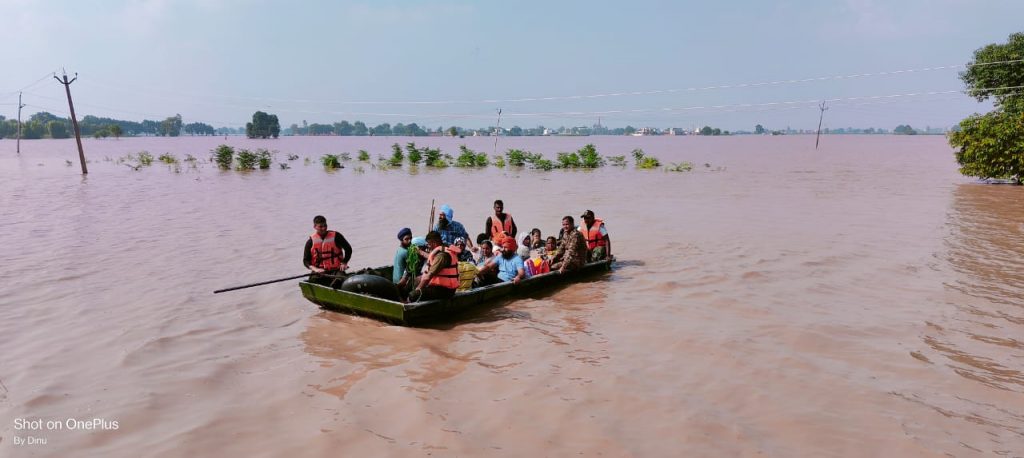
As north India was experiencing heavy monsoon rainfall, Patiala district was the worst affected in Punjab. The city has overflowing water, clogged drainage system, people struggling to do even the daily routine work. Heavy rain and flood water forced people to go on survival mode. But, the administration stepped in on time and with the support from NDRF and the Army, things were soon brought under control.
FLOOD CONTROL
While flood control works had been executed across the district, no one could have foreseen the amount of water that came from the upstream catchment areas of Shivalik, Chandigarh, Mohali, etc. In fact, there was no breach in the Ghaggar or the Badi Nadi river, but it brimmed over at various places between 9 and 10 July because of excessive water.
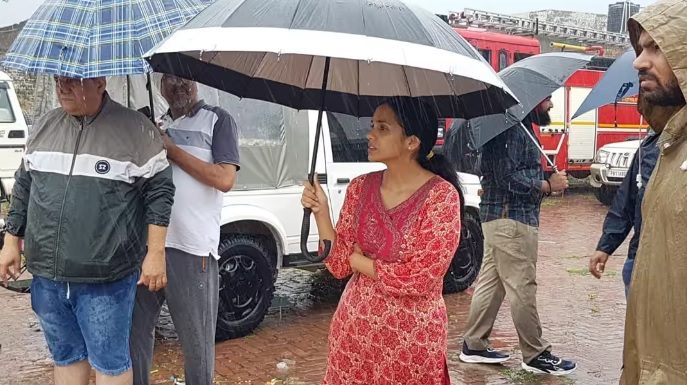
Ms. Sawhney said, “When it was raining incessantly on 9th morning, we had already issued the alert for all colonies adjacent to the Badi Nadi, started evacuation and set up relief camps. Rajpura sub-division was also on alert given that the Ghaggar’s first point of monitoring is at Sarala in Patiala.”
However, a huge flow of water from Mohali district entered the SYL (Sutlej Yamuna link canal) which went straight into the Neelam Hospital and Chitkara Univeristy campuses, turning the situation dangerous.
Ms. Sawhney said, “We carried out rescue operation immediately and ensured that all patients of Neelam Hospital, including 14 critical ones, were immediately shifted. The Chitkara operation continued late into the night. When we saw the high levels of water flowing in Pachisdhara, SYL and Ghaggar, we felt we would need Army-NDRF assistance and immediately took their help. Army carried out crucial operations at Chitkara while NDRF helped to evacuate villages at Ghanaur and Rajpura.”
In the Chitkara operation, where the army was called in by 9th night, nearly 3000 students from the Chitkara University in Rajpura were evacuated on an urgent basis. Ms. Sawhney was present throughout the operation which continued until the 10th morning.
BIG CHALLENGE
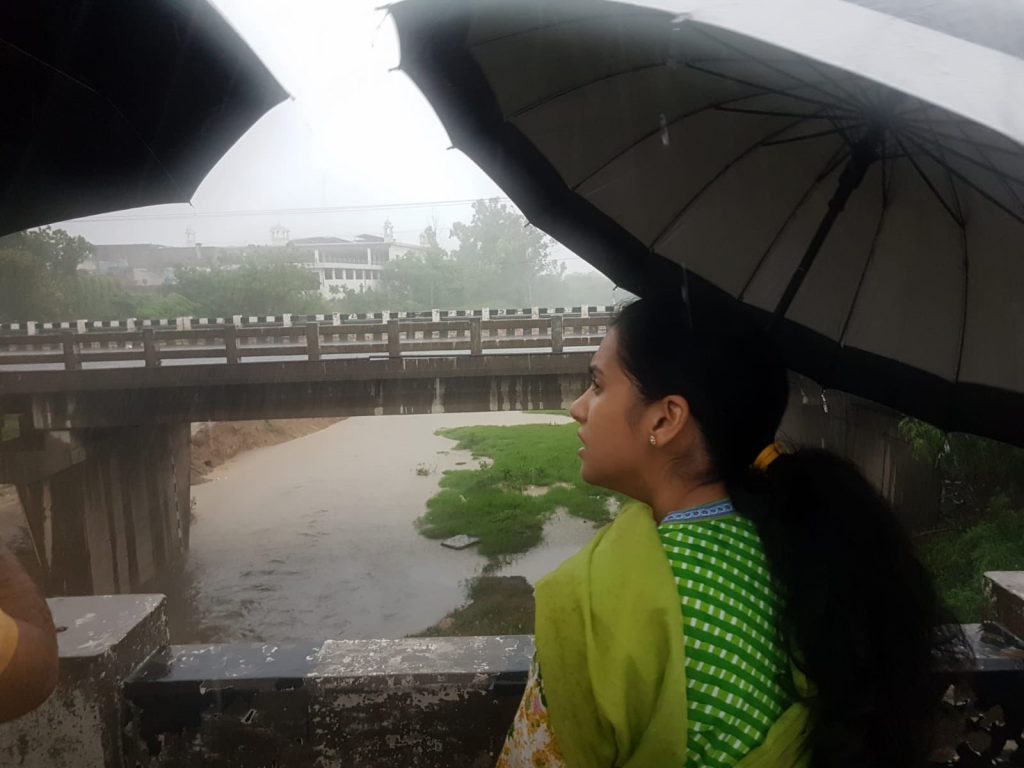
The big challenge was to get people to evacuate as they were very hesitant to leave their homes. According to Ms. Sawhney, this was the toughest part of the evacuation process. While the water levels were low, the administration used tractor trollies to evacuate, but when the levels rose too high, they had to again press into action motor boats and boats of large capacity of the NDRF and the army.
Ms. Sawhney said, “When water had begun to spread to the urban estate, we immediately anticipated the next movement of the flood water and put all downstream colonies on alert. We also mobilized resources to evacuate people.”
The local people acknowledge and appreciate the officer’s presence among them at that crucial time and for continuously communicating with them directly to dispel any rumours or misinformation. She also provided live updates to the people from the spot. She alerted people in colonies where water levels were expected to rise and those which were soon to be evacuated.
She continuously stayed on the field till 2 or 3 am daily, taking a brief rest, and restarting her next day at 6 am on the dot. She also started attending calls on her personal mobile number, as the official number was flooded with calls.
RESCUE OPERATION
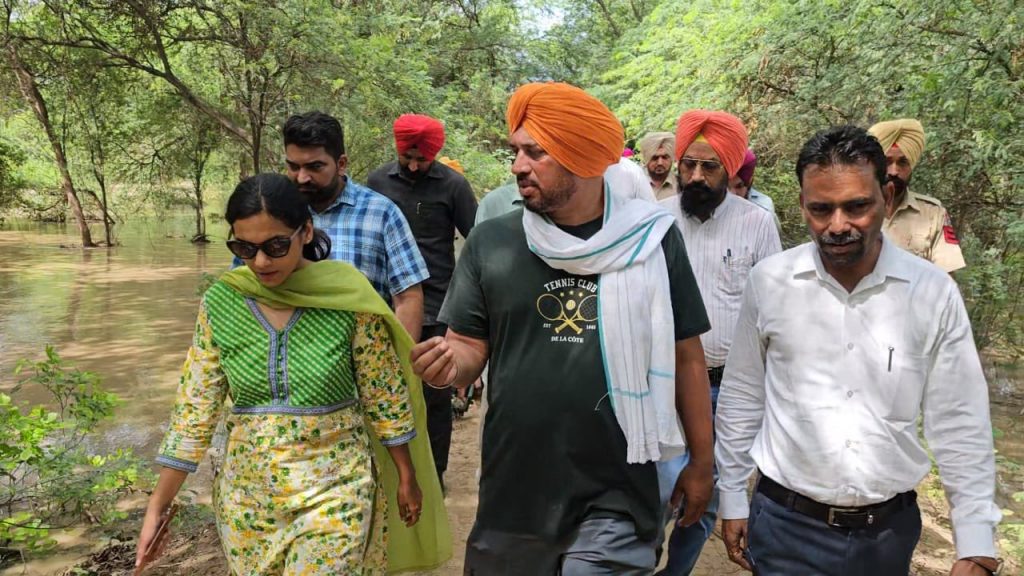
She had set up helpline numbers and each downstream site had a dedicated nodal officer to oversee the rescue operations. These operations carried on till late night. She realised that people needed real-time information as otherwise there was too much panic everywhere. “So, I got myself added to Whatsapp groups of various RWAs and also added my Nodal Officers. Real time information about rescue ops was given and queries answered,” she said.
At the same time, she arranged for dry ration packets and medicines for distribution among stranded persons through trainee IAS officer Akshita so that people would not go hungry while they awaited evacuation. They prioritised evacuation of anyone with medical issues and pregnant women and infants first.
Ms. Sawhney said, “There was a point when while trying to reach a spot, we had to cross via Sular Road at around 3 am. It was dark and there was some water. But the water level rose rapidly and it reached till my window, and seemed to be rising higher and higher. There came a time when we were not sure where the road was and where the river was. It was a moment of anxiety and we all said a little prayer. But, thankfully, we found a clear stretch of road soon after and got out safely.”
FIGHTING WITH MISINFORMATION
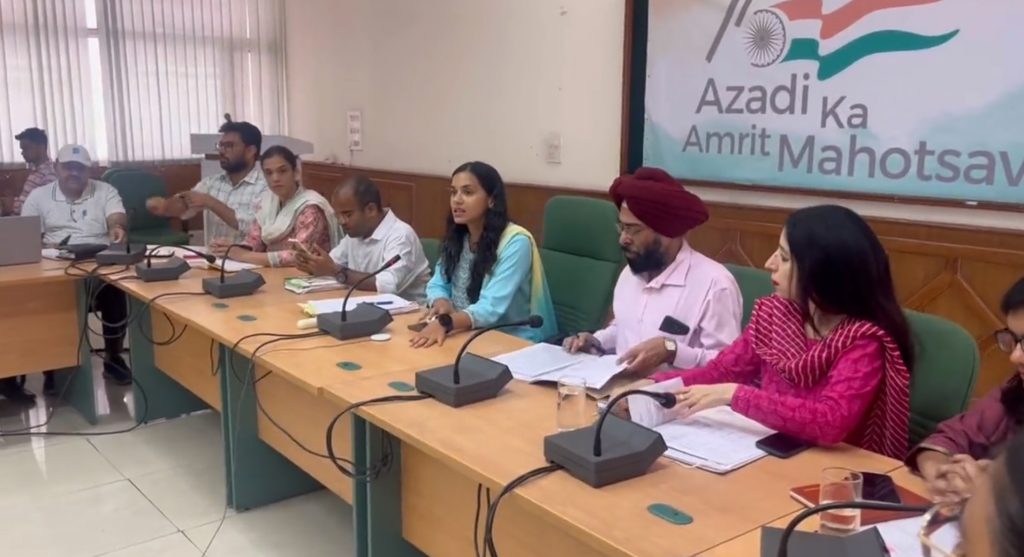
In the time of crisis, there will always be misinformation. But the administration tackled this with lots of innovative steps. They sent messages through official groups and also sent their teams to inform the people personally. The messages, widely shared on Facebook, WhatsApp, and other social media platforms, came as a ray of hope for the people when things were looking bleak.
One such message from her was: “Dear all… This is Sakshi Sawhney, DC, Patiala. I understand you are quite worried. But we are here for you. We need you to – 1. Go to the first floor. Nobody should be on the ground floor at any cost. 2. We are sending dinner packets while rescue work goes on. 3. You will be rescued by boats or trollies depending on the approach. The Army is already there. We are also using tractor and trollies in some places where we can approach. 4. These are not ideal circumstances but we will get you all out safely. 5. If there is anyone who has medical issues, is pregnant or lactating, has infants, it would be better to prioritise them. We will get you all out in any case… Thanks.”
CREDITS EACH ONE IN HER TEAM
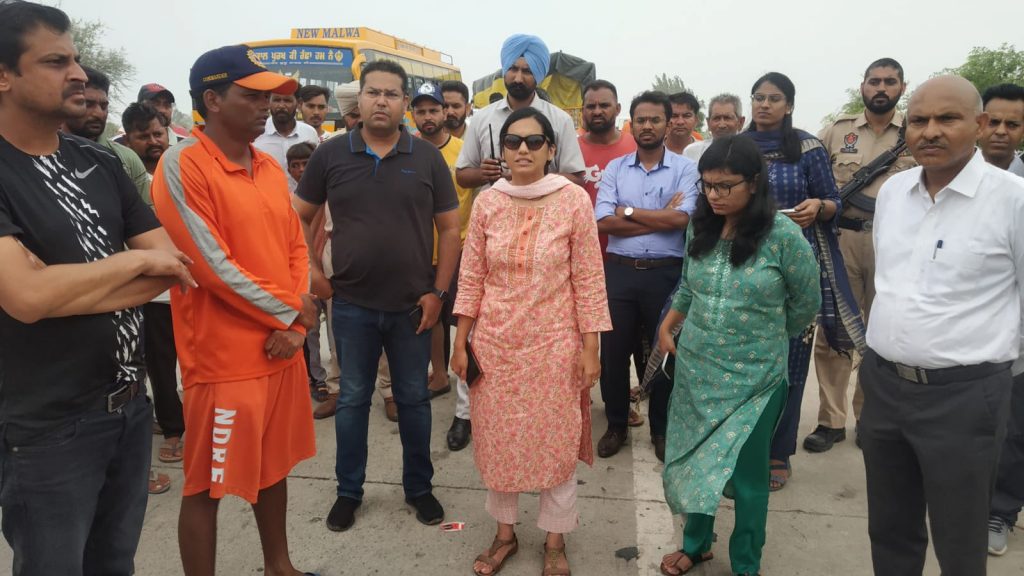
While narrating the situation and the operations, Ms. Sakshi did not forget to mention each and every member of her team. She stressed that without these people, the operations were not possible.
She further said that her team worked relentlessly and everyone worked exceptionally hard. “I thank all for the encouragement that we are seeing for team Patiala on social media. In other districts too, the government of Punjab, through the DCs and their teams, is ensuring that relief reaches the people. I just want to say that we did our job. It was our duty to ensure that everyone was safe. We did just that. Now we have to work on ensuring that people’s lives return to normal, and all our teams are working hard for the same,” she said in conclusion.
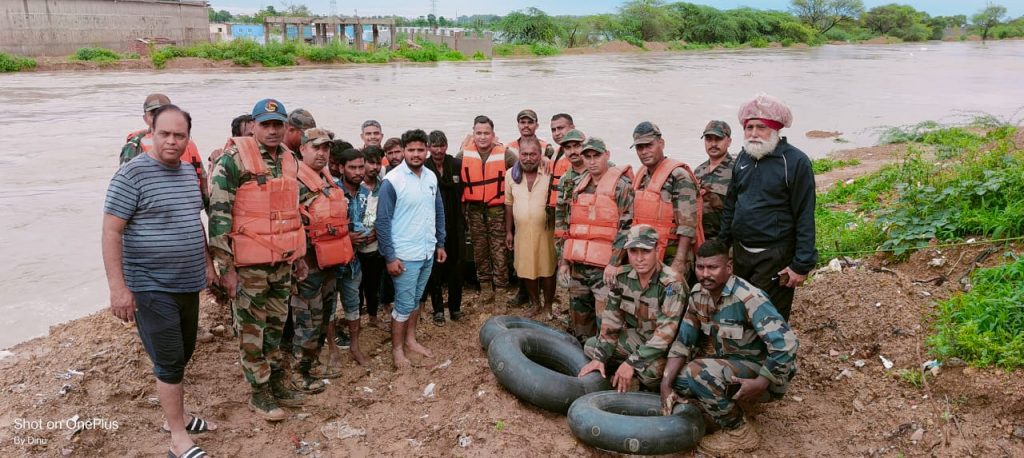
#TeamPatiala, with the help of Army & NDRF teams, is working with the utmost determination & dedication in the ongoing Sassi Brahmana Rescue Ops, demonstrating the unwavering spirit & commitment of the Army.
— DC Patiala (@DCPatialaPb) July 13, 2023
Just now, an old lady pt. was rescued from Sassi Brahmana@ManikGoyal_ pic.twitter.com/RmWsCZIdbe
CM @BhagwantMann ਦੇ ਆਦੇਸ਼ਾਂ ਤਹਿਤ ਜ਼ਿਲ੍ਹਾ ਪ੍ਰਸ਼ਾਸਨ, ਫ਼ੌਜ ਤੇ ਐਨ.ਡੀ.ਆਰ.ਐਫ ਰਾਹਤ ਟੀਮਾਂ ਦੀ ਸਾਂਝੀ ਕਾਰਵਾਈ…#Ghaggar ਸ਼ੁਤਰਾਣਾ ਚ #Floods ਹੜ੍ਹਾਂ ਦੇ ਔਖੇ ਹਾਲਤ 'ਚ ਘਿਰੀਆਂ ਕੀਮਤੀ ਜਾਨਾਂ ਬਚਾਈਆਂ
— DC Patiala (@DCPatialaPb) July 15, 2023
Joint & swiftly action of #TeamPatiala #NDRF @NDRFHQ #FloodReliefAndRescue operation saved many lives pic.twitter.com/0hZubr4Ib8