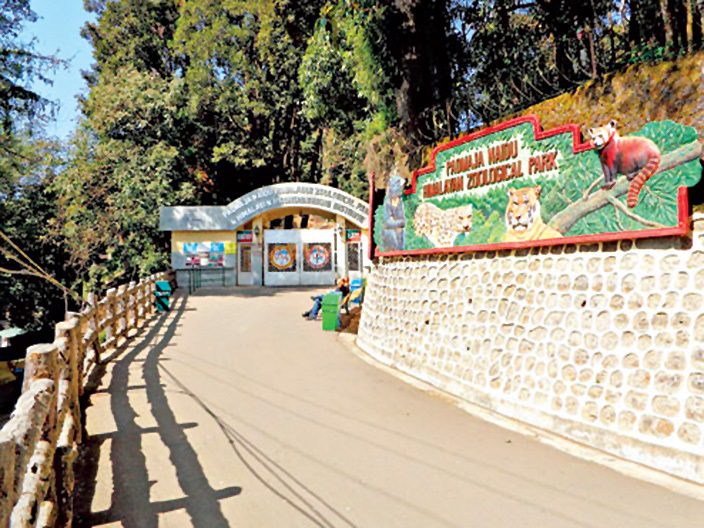
In the misty hills of Darjeeling, a quiet revolution is unfolding. The Padmaja Naidu Himalayan Zoological Park, already acclaimed for its work with endangered species, has recently earned international recognition. Its Red Panda Conservation Programme, a groundbreaking initiative in wildlife preservation, has been named one of the top three finalists for the prestigious World Association of Zoos and Aquariums (WAZA) Conservation Award.
For the people of Darjeeling, this achievement represents more than a victory for the zoo; it symbolizes the resilience and determination of a community in the face of adversity. The red panda, one of the Himalayas’ most beloved and iconic creatures, is facing an alarming crisis. With fewer than 8000 left in the wild, this charming yet vulnerable species is classified as endangered, largely due to habitat loss, poaching, and the fragmentation of its forest home.
Since the inception of its Red Panda Conservation Programme, the Darjeeling Zoo has been a trailblazer in efforts to prevent the species from slipping into extinction. Launched in the early 1990s, the program centers around breeding, rehabilitation, and rewilding. Over the years, the zoo has made remarkable progress, with numerous red pandas born in captivity successfully reintroduced into their natural habitats.
Indian Masterminds spoke with Dr. Basavaraj Holeyachi, a 2007 batch IFS officer and the Director of the Darjeeling Zoo, to gain further insight into the program’s success. He explained, “Conservation breeding has been underway for almost three decades. However, the practice of releasing red pandas back into the wild only began in 2019. Beyond this, we have long-term plans to release more captive-bred red pandas into their natural habitats, boosting their population in the wild.”

THE GENETIC BIOBANK AND CONSERVATION TECHNOLOGY
The zoo’s conservation efforts extend far beyond breeding and rewilding, with one of its most significant achievements being the establishment of a cutting-edge genetic biobank as part of the Red Panda Conservation Programme. This state-of-the-art facility preserves the genetic material of not only red pandas but also other endangered species such as the snow leopard and Himalayan tahr. By safeguarding this genetic diversity, the biobank helps prevent inbreeding and supports long-term conservation strategies.
In collaboration with the Centre for Cellular and Molecular Biology (CCMB), this initiative marks a first for Indian zoos, where genetic material from endangered species is being processed and stored. The biobank currently holds 21 DNA samples from nine species, including the Himalayan pheasant, leopard cat, and red panda. Situated in a remote location, it is equipped with advanced cryogenic freezers and laboratory tools that ensure the preservation of genetic material. This invaluable resource could one day play a crucial role in species revival, offering hope for their future survival. The biobank ensures the preservation of reproductive potential for generations to come.
He added, “We maintain a diverse population, and after breeding, we release the progeny into the wild in Singalila National Park.”
THE SURVIVAL
In 2022, the Darjeeling Zoo achieved a remarkable milestone with the successful reintroduction of nine red pandas into Singalila National Park, a vital sanctuary for the species in the region. This was not just a simple release; each panda underwent an extensive acclimatization process. During this period, they learned essential survival skills, such as foraging for food, building nests, and avoiding human contact.
He said, “The zoo’s commitment to ensuring the pandas’ survival in the wild is evident in its rigorous post-release monitoring, where each animal’s progress is carefully tracked to ensure they thrive in their natural habitat.”

LOCAL COMMUNITIES PARTNERSHIP
The story of red panda conservation is not limited to the work within the zoo’s walls. Local communities play a crucial role in the program’s success. Through education and outreach, the zoo has engaged villagers, many of whom live near red panda habitats, in conservation efforts. These communities have become the zoo’s allies, protecting the forest and the pandas that call it home. Local people have been trained to monitor and report illegal activities, such as poaching or deforestation, which threaten the pandas’ survival.
CHALLENGES
The red panda population faces several challenges, including habitat destruction, poaching, human disturbance, and inbreeding depression due to isolated populations. The species’ limited range and solitary nature exacerbate genetic bottlenecks, weakening their ability to adapt. Additionally, climate change and increasing human activity in their habitats further threaten their survival. Despite efforts in rewilding and genetic preservation, these ongoing issues make long-term conservation of red pandas increasingly difficult.
RAISING GLOBAL AWARENESS
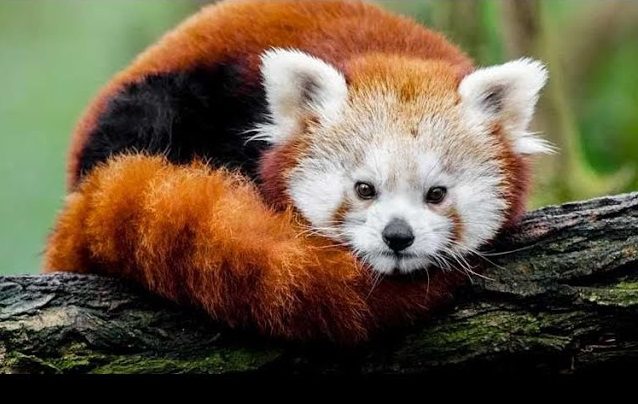
The success of the Red Panda Conservation Programme has not only contributed to increasing the species’ population in the wild but has also raised global awareness about the red panda’s plight. The award nomination celebrates the zoo’s innovative approach, which integrates scientific research, habitat restoration, and expanding partnerships with organizations across the globe.
Dr. Basavaraj expressed his pride and humility regarding the recognition. “This nomination is a tremendous honor for us. It also serves as a reminder that much work remains to be done. Every red panda saved is a victory, but we must continue our efforts to ensure that these extraordinary creatures thrive in the wild for generations to come.”
THE STORY OF JULIE
One of the most recent success stories is that of Julie, a young red panda born at the zoo. Julie, like many of her predecessors, will soon be released into Singalila National Park as part of the zoo’s ongoing rewilding program. Her journey has been meticulously planned, with months of acclimatization and training to ensure she is prepared for life in the wild. The zoo’s team has worked diligently to equip Julie with the skills necessary to navigate the rugged terrain and locate the bamboo vital for her survival. For Julie, this marks the next chapter in a journey that will help secure a future for her species.
A BRIGHTER FUTURE AHEAD
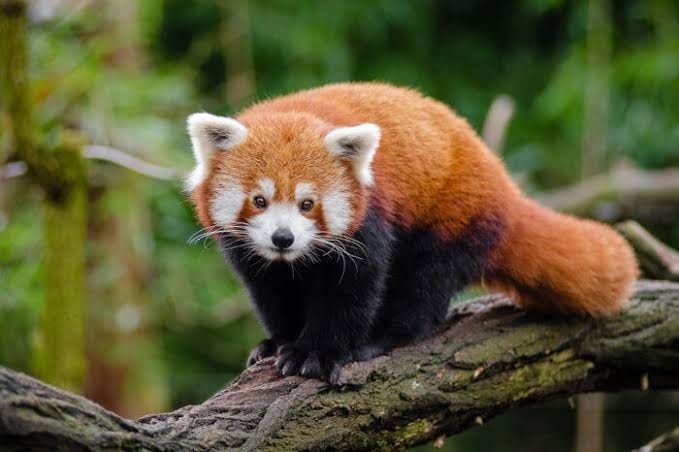
As Julie takes her first steps into the wild and more red pandas are successfully reintroduced, the story of Darjeeling’s Red Panda Conservation Programme offers a glimpse of a brighter future—a future where these magnificent creatures can once again thrive in the forests of the Himalayas.
Although the numbers remain low, conservation efforts have become even more critical. Dr. Basavaraj stresses, “This species is vital to the Himalayas. Our goal is not only to increase the population but also to provide these pandas with safe, natural habitats and stabilize their numbers over the long term.”
RED PANDA POPULATION IN DARJEELING
The most recent census estimates the red panda population in Darjeeling at 70 individuals across two national parks—38 in one park and 32 in another. This population is part of a broader conservation effort that includes the Padmaja Naidu Himalayan Zoological Park (PNHZP) and Singalila National Park (SNP).