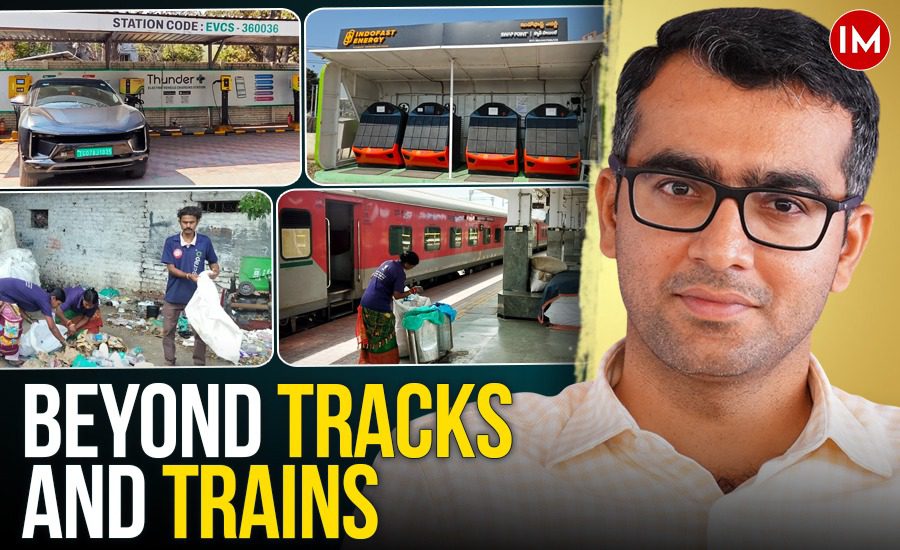
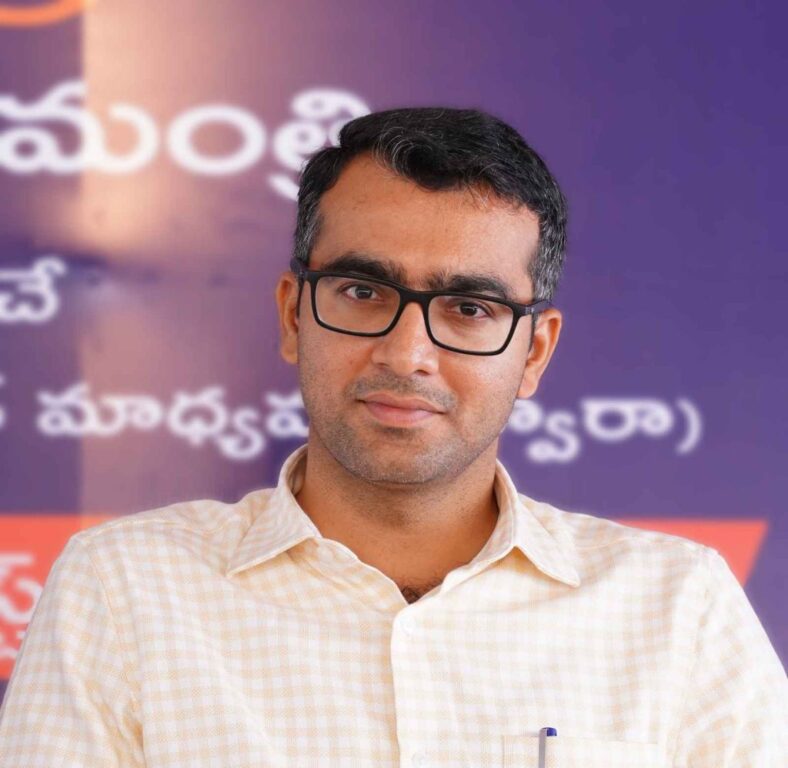
Indian Railways is often described as the nation’s lifeline – but in Hyderabad Division of South Central Railway, it is increasingly becoming a laboratory of innovation, sustainability, and modern commercial thinking. Under the leadership of Dr. Anirudh Pamar,( IRTS, Senior Divisional Commercial Manager, Hyderabad Division has emerged as a frontrunner in conceptualising and executing several first-of-their-kind initiatives on Indian Railways.
From premium retail spaces and digital logistics platforms to EV infrastructure, circular economy-driven waste management, and the reinvention of halt stations, the Division is redefining what railway assets can achieve when paired with visionary planning and execution.
“PREMIUM STORES, PREMIUM EXPERIENCE”
One of the most visible transformations has come through the conceptualisation of Premium Catering Stores, an idea pioneered by Hyderabad Division. While major stations were being redeveloped under the Amrit Station Scheme, catering units lagged behind – both in appearance and service quality. Recognising this gap, Dr. Pamar’s team envisioned a new commercial model that matched modern station infrastructure with contemporary passenger expectations.
Hyderabad Division went on to award the first premium catering store on Indian Railways, marking a decisive shift from legacy stalls to professionally designed, high-quality retail spaces. The initiative not only elevated passenger experience but also unlocked the untapped commercial potential of premium station areas.
“Stations are no longer just transit points. They are commercial and social spaces, and catering standards must reflect that reality,” Dr. Pamar notes.
“DIGITAL RAIL PARCEL: REDEFINING LOGISTICS”
Another transformative initiative is the Rail Parcel Integrated Digital Platform, soon to be launched as a pilot across South Central, South Western, and Southern Railways. Conceived to address the long-standing gap in small parcel and white-goods logistics, the RailParcel App and website introduce a marketplace-based model where customers can choose logistics service providers based on price transparency, service quality, and ratings.
This digital intervention brings competition, efficiency, and customer choice into a segment traditionally underserved by Railways. More significantly, it aligns with the PM GatiShakti National Master Plan, encouraging multimodal integration and green logistics.
With Indian Railways nearing 100 percent electrification, the platform enables a modal shift from road to rail – cutting emissions and logistics costs simultaneously.
“This is about positioning Indian Railways not just as a carrier, but as a smart logistics enabler for the future,” says Dr. Pamar.
“POWERING THE EV TRANSITION”
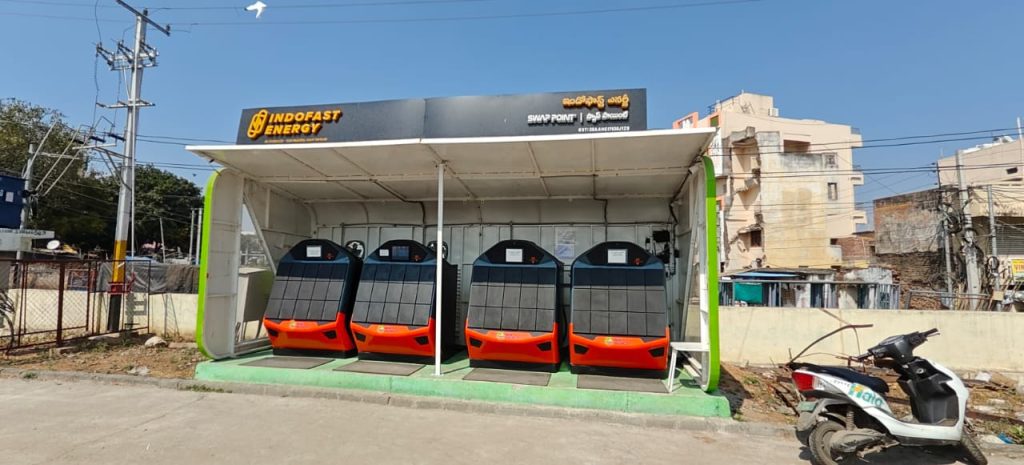
Hyderabad Division has also taken a decisive step in supporting India’s electric mobility goals by awarding EV charging stations and battery swapping facilities at 16 strategic locations across Hyderabad city. Leveraging the Railways’ extensive urban footprint and high footfall, railway premises are being transformed into clean mobility hubs.
By integrating EV infrastructure into station ecosystems, the initiative supports last-mile electric mobility, encourages public adoption of EVs, and reduces urban transport emissions – while also creating new non-fare revenue streams.
“FROM WASTE TO WEALTH”
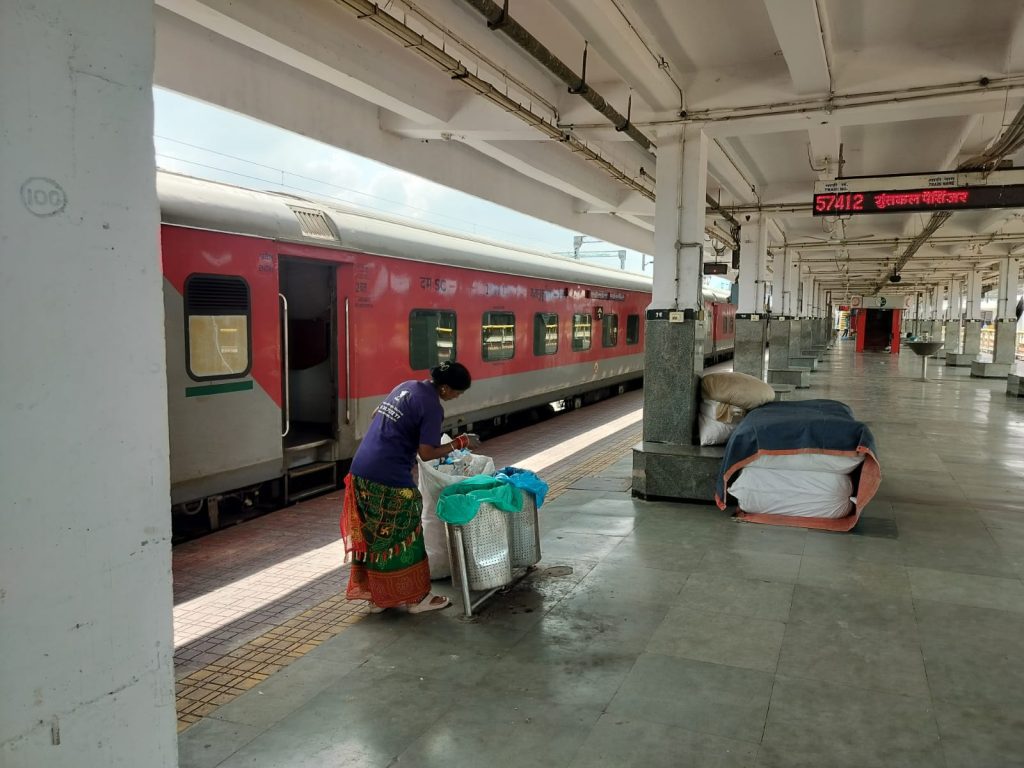
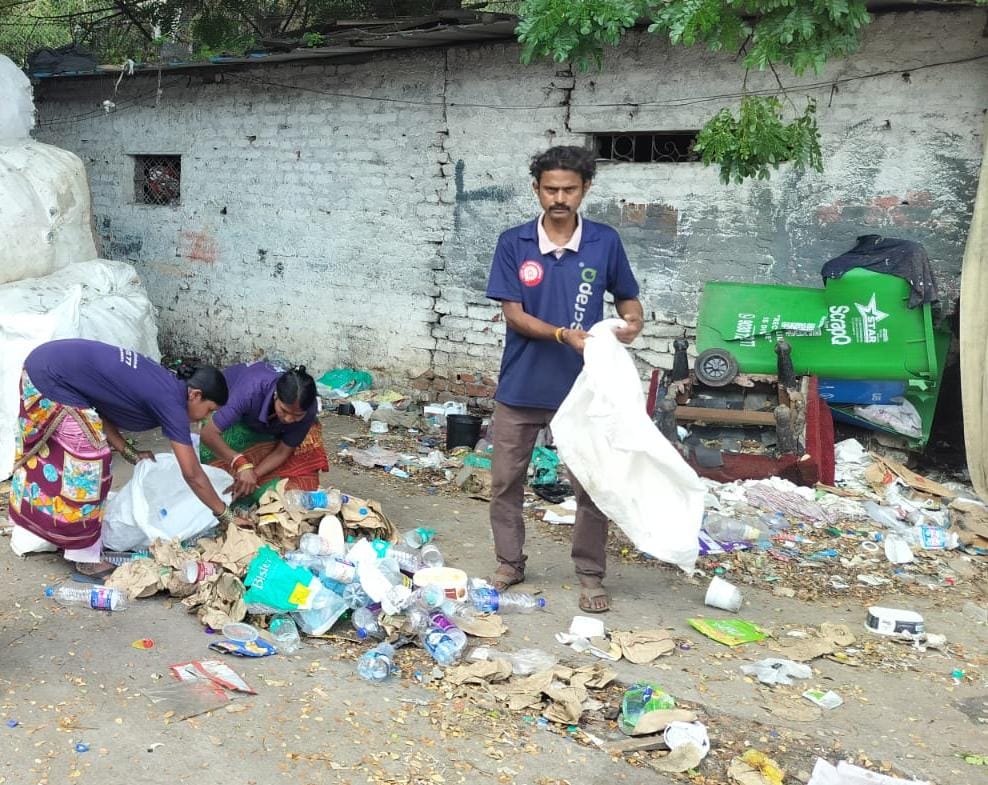
In a significant shift from conventional sanitation models, Hyderabad Division implemented a circular economy-driven waste recycling initiative through a partnership with ScrapQ Hub Pvt. Ltd. Master Recovery Facilities were set up at Kacheguda, Nizamabad, and Kurnool City stations, enabling scientific segregation and recycling.
Within a year, 108 tonnes of recyclable waste were processed with 100 percent landfill diversion. The initiative generated ₹5.51 lakh in annual non-fare revenue, created 50 local jobs, and prevented 132 tonnes of CO₂ emissions – demonstrating how sustainability and financial prudence can go hand in hand.
“REVIVING HALT STATIONS”
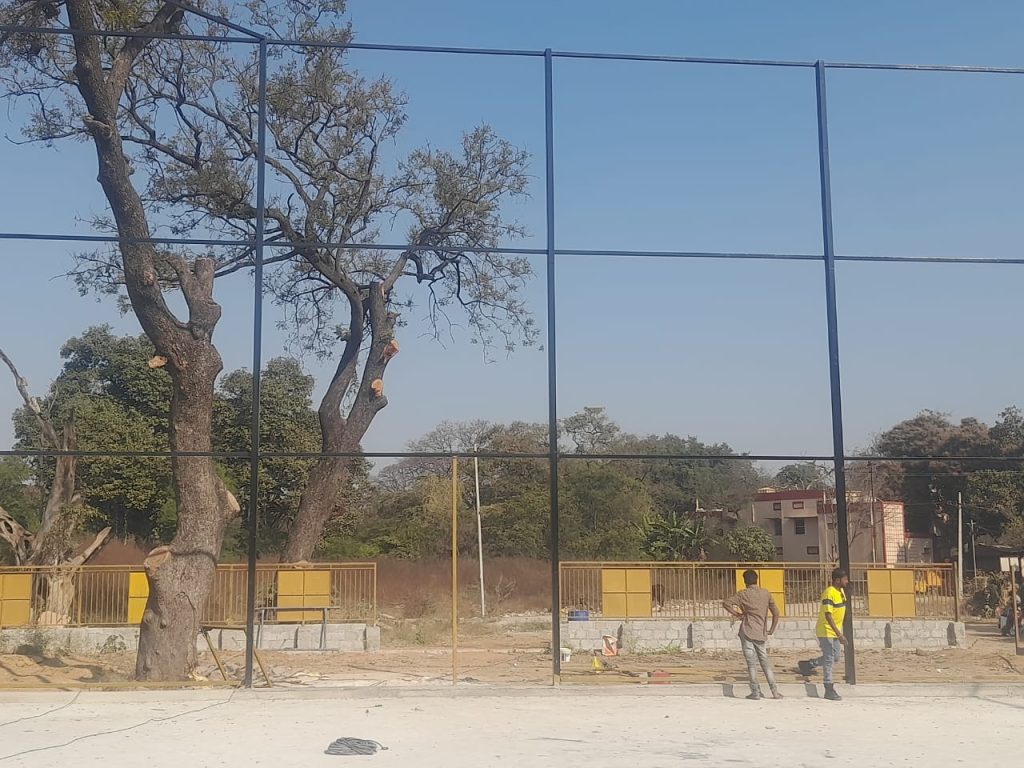
Perhaps the most unconventional initiative has been the transformation of halt and low-footfall stations. Traditionally seen as operational necessities, these stations are being reimagined as vibrant community hubs through box cricket arenas, pickleball courts, drive-in food zones, and food-truck hubs.
By activating underutilised railway land, the Division has increased footfall beyond train hours, enhanced safety, boosted public perception, and enabled consistent non-fare revenue – while promoting local entrepreneurship and recreation-led development.
A TEMPLATE FOR FUTURE RAILWAYS
With several more transformative ideas under implementation, Hyderabad Division’s journey under Dr. Anirudh Parmar, IRTS, offers a compelling blueprint for Indian Railways – one where commercial innovation, sustainability, passenger experience, and public value converge.
It is a reminder that with the right leadership and imagination, Railways can move far beyond tracks and trains – to become engines of urban transformation and green growth.