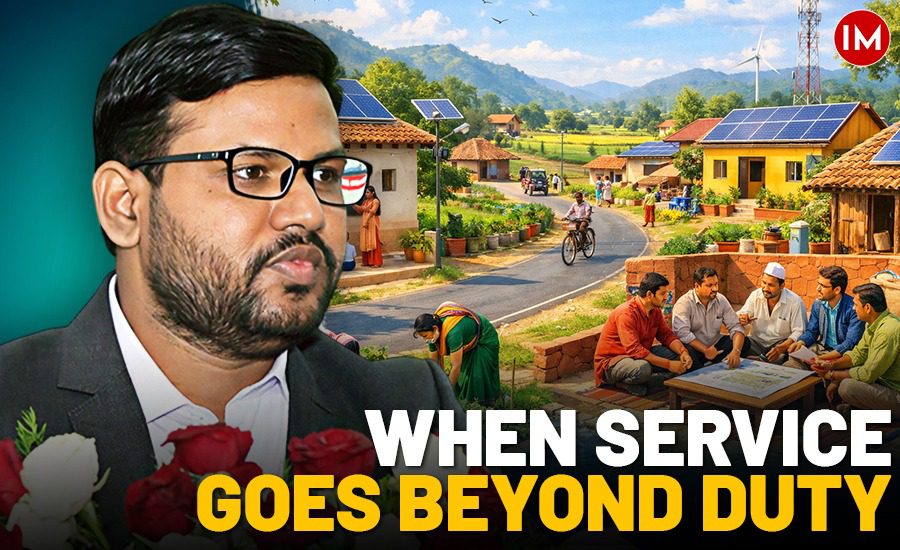
For most civil servants, weekends are a brief pause from relentless official responsibilities. For IRS Dr. Sudhakar Naik (2014 batch), weekends became a bridge between policy and people, files and fields, and revenue administration and rural transformation.
Posted as Joint Commissioner of Income Tax, Mumbai, Dr. Naik chose a path few from his service normally tread: deep, sustained village-level development. Since June 2019, his association with Gongloor village in the Sangareddy district of Telangana has quietly rewritten what committed public service can look like beyond formal mandates.
“I was always drawn to social work. During my medical college days, we regularly worked in slums and underserved communities. That connection with people never left me,” Dr. Naik shared in an exclusive conversation with Indian Masterminds.
ROOTS IN SERVICE
Long before he joined the IRS, Dr. Naik was shaped by the values of the Ramakrishna Mission and hands-on service during his MBBS years. Slum visits, community health work, and student-led outreach laid the foundation for a mindset that viewed development as participation, not charity.
The turning point came during his IRS service when senior officers encouraged the idea of village adoption. One such mentor, Dr. R. K. Paliwal, an IRS officer of 1986 batch and then Director General of AP and Telangana, proposed adopting a village and asked colleagues to recommend someone who would commit fully.
“My name came up, and when I was asked if I was ready, I said yes immediately. This was never an additional task for me; it was always my passion,” he recalls.
CHOOSING GONGLOOR
Gongloor was not randomly selected. Dr. Naik personally visited five villages, shortlisted by district collectors. His criteria were clear and firm.
“I told them one thing very clearly,” he says. “Development will work only if people stay united and participate. No factions, no internal fights. Only collective work.”
At the time, Gongloor was deeply divided into four rival factions, each led by different local leaders. Elections only worsened tensions. Yet, the village accepted his condition and proved their intent through action.
For 125 consecutive weeks, villagers participated in Shramdaan (voluntary community labour), a powerful signal of unity. Only after this demonstration did the development work formally begin.
WEEKENDS ON THE GROUND, NOT IN REST
Despite a demanding central government role, Dr. Naik maintained a dedicated personal schedule. Almost every Saturday and Sunday, he travelled from Hyderabad to Gongloor, often reaching early morning to work alongside villagers.
“When you care deeply about something, you find time for it,” he says. “If it is your passion, effort doesn’t feel like sacrifice.”
This consistent presence built trust, something no funding or scheme alone can achieve.
FIXING THE BASICS
One of the earliest priorities was water conservation. Gongloor’s borewells used to dry up every summer. The solution combined community effort and simple, effective engineering.
- Individual soak pits for every household
- Community soak pits at borewells and water outlets
- Integration with MGNREGA and Panchayati Raj systems
The results were immediate and lasting. Water availability improved, borewells survived harsh summers, and the village earned the Deendayal Upadhyaya Panchayat Satat Vikas Puraskar 2023.
Parallel efforts such as regular health awareness and screening camps, early detection of diabetes, hypertension and cancers, and the creation of a comprehensive village health profile were also included.
PLANTING MORE THAN TREES
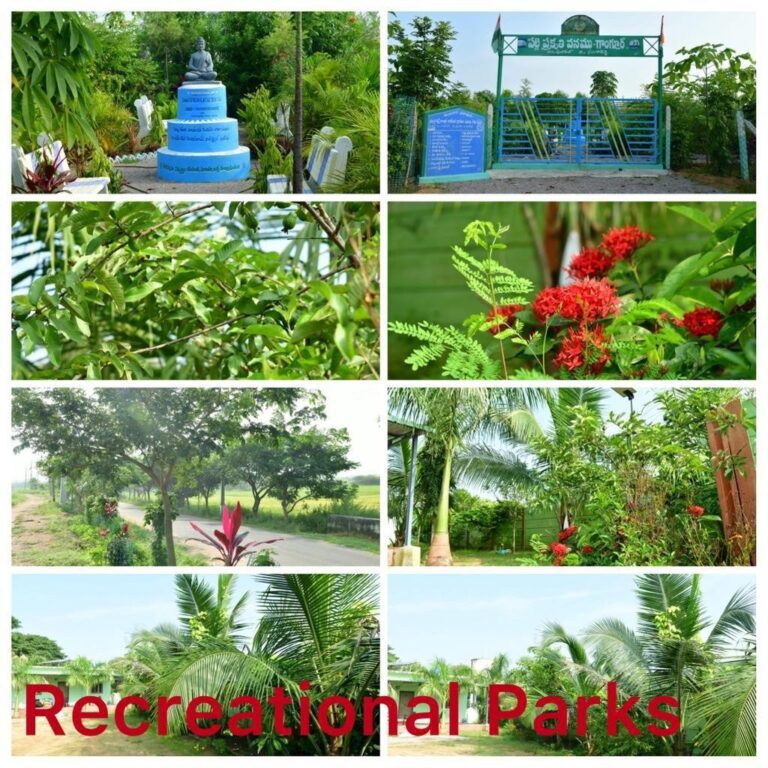
Over the years, 5,000–7,000 trees were planted along village roads and within the settlement. What was once a bare approach road is now lined with greenery created entirely through Shramdaan.
Two community parks emerged, Buddha Palle Prakriti Vanam and Swami Vivekananda Mini Tank Bund along the Manjeera backwaters. These spaces are now shared social assets… places for children, elders and community gatherings.
THE TURNING POINT
The most visible shift in Gongloor came during the COVID-19 pandemic.
Drawing from his medical background, Dr. Naik proposed manufacturing triple-layer masks when demand surged. Thirteen women came together, pooled resources, and began production.
“They earned regular income for the first time. That’s when they realised that staying together creates opportunity,” he shared with Indian Masterminds.
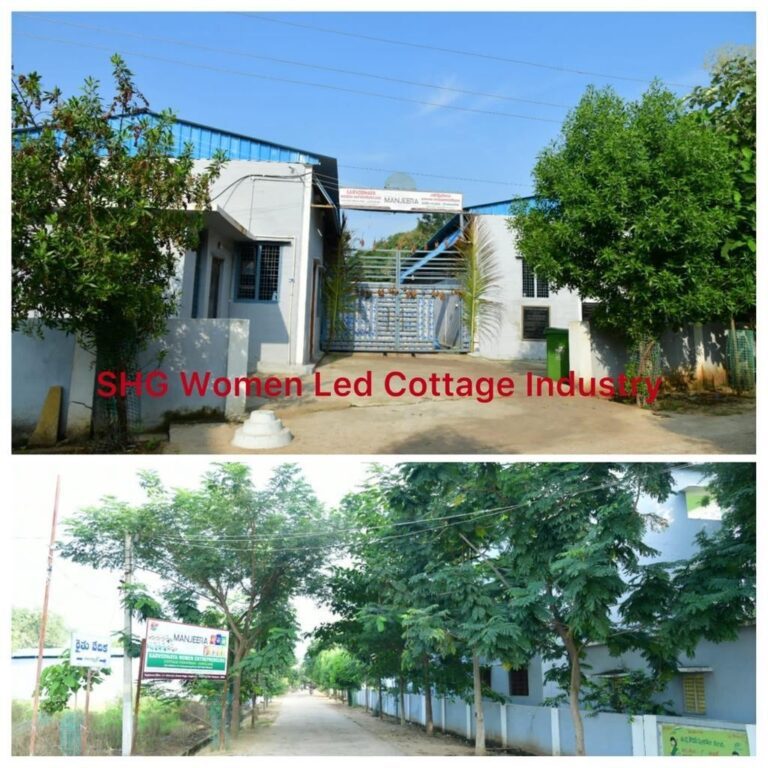
That small beginning grew into Sarvodhaya Women Entrepreneurs, a women-led cooperative manufacturing FMCG products under the brand Sarvodaya’s Manjeera.
Today, the initiative has grown into a strong women-led enterprise with around 150 members, where the women are not just workers but also owners of the venture. The capital has been collectively contributed by the members themselves, ensuring a deep sense of ownership and responsibility.
The enterprise has already crossed a turnover of ₹2.3 crore, with its products being sold through e-commerce platforms as well as offline markets. From cold-pressed oils to a range of FMCG products, items produced in the village are now being successfully marketed in Hyderabad, firmly placing rural women at the centre of value creation and economic growth.
“This is not free aid,” Dr. Naik explains. “Ownership brings responsibility. When people own something, they protect and grow it.”
EDUCATION, YOUTH AND SHARED SPACES
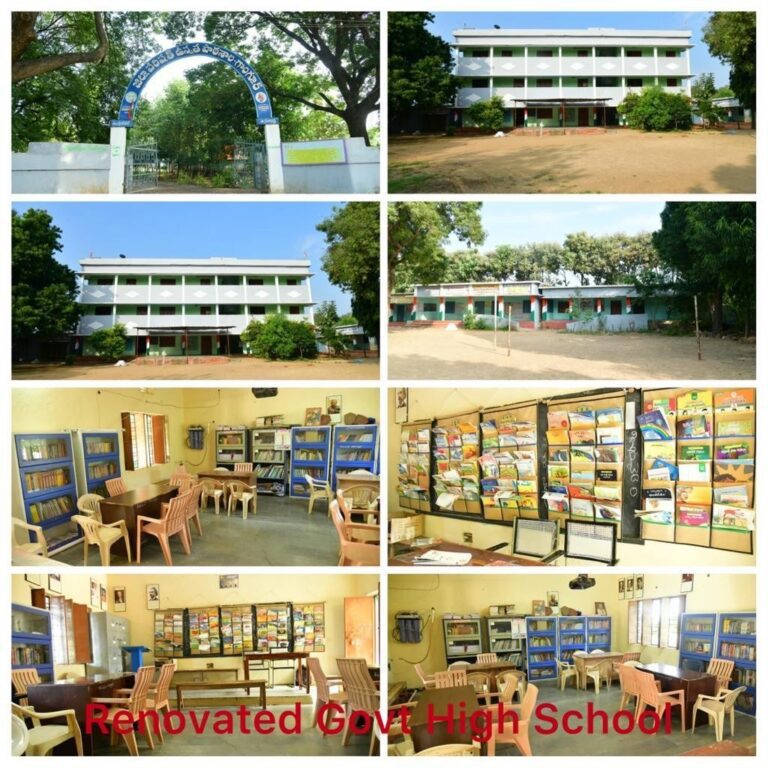
Development extended to education and youth engagement with the renovation of Zilla Parishad High School, weekly extracurricular activities and a sharp rise in school enrolment and students’ confidence.
A library and study centre with CCTV, furniture and internet access was established in the village school, a model later replicated in 30 villages with state government support.
The village also built:
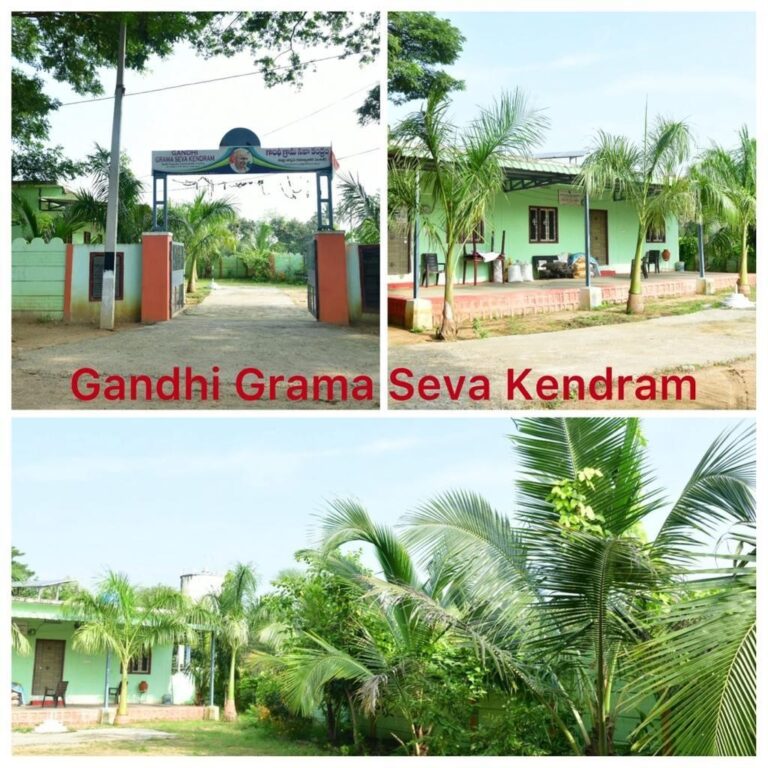
- Gandhi Grama Seva Kendram (multipurpose community centre)
- Sports Academy-cum-Open Market Yard hosting weekly haats
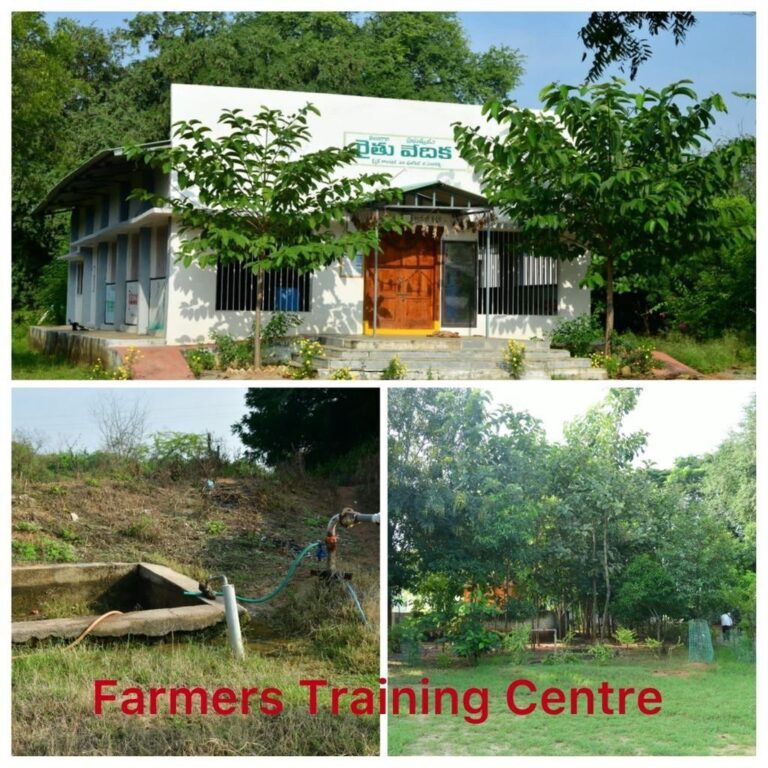
- Rythu Vedika for farmers
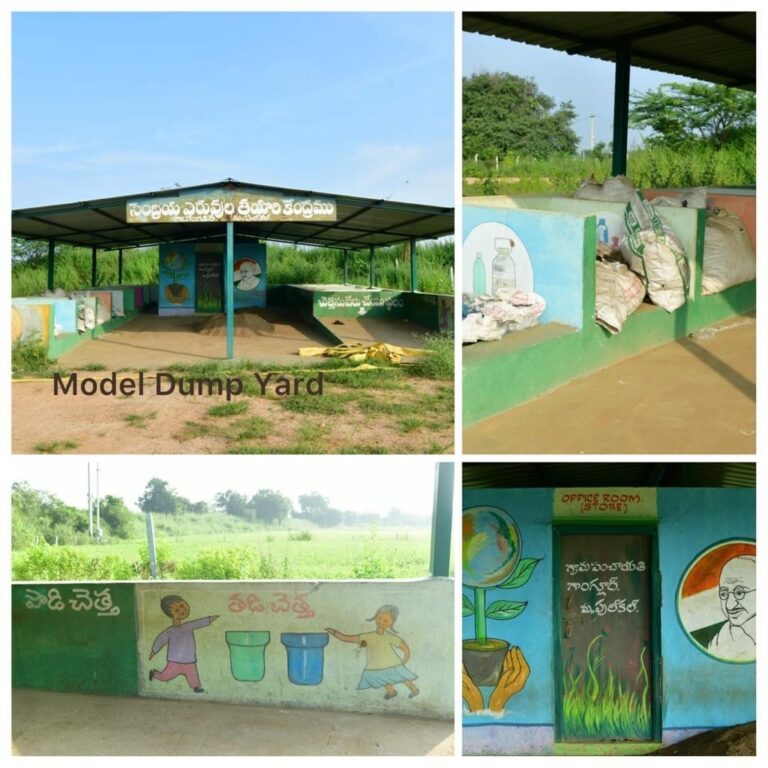
- Model dump yard and Mahaprasthanam (crematorium)
- Restoration of a 400-year-old Shiva temple
FROM DIVISION TO COLLECTIVE IDENTITY
Perhaps the most striking transformation is social.
“Earlier, four groups fought to control the village,” Dr. Naik says. “Today, political differences exist, but after elections, they work as one community again.”
Shramdaan dissolved factional identities and replaced them with shared ownership of progress.
A VISION BIGGER THAN ONE VILLAGE
Dr. Naik now sees Gongloor as a starting point, not a destination. Inspired by models like Sahyadri Farms and Amul, his long-term vision is ambitious yet rooted in local strength.
“Our aim is to build a women-owned brand at scale,” he shared with Indian Masterminds. “Millions of women, creating value locally, consuming locally, and selling nationally.”
WHEN PASSION FINDS SUPPORT
What began as one officer’s personal initiative has now become a department-supported movement, backed by the IRS Officers’ Association, NGOs, and government systems.
“I had the intention,” Dr. Naik reflects. “But my seniors helped bring focus and structure. When your colleagues stand with you, impact multiplies.”
A DIFFERENT KIND OF PUBLIC SERVICE
Gongloor’s story shows that development does not always need new policies, sometimes it needs presence, patience and participation.
Dr. Sudhakar Naik’s journey reminds us that when civil servants step beyond defined roles and work with communities rather than for them, villages don’t just improve, they change direction.
And sometimes, all it takes is showing up every weekend and believing that unity can do the rest.