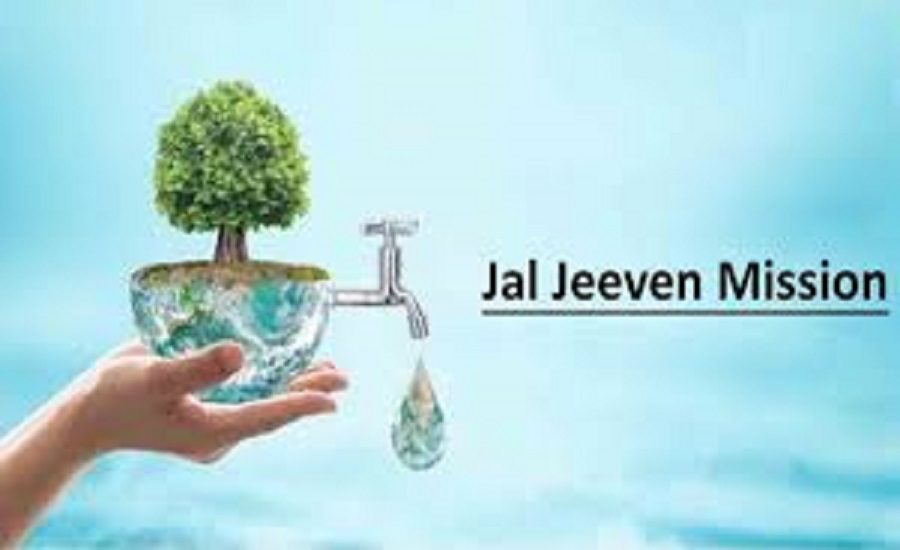
New Delhi: In a bid to ensure safe drinking water for rural communities, the Jal Jeevan Mission (JJM) has strengthened water quality monitoring infrastructure across India, with 2,870 water quality testing laboratories currently operational at state, regional, district, sub-division, block, mobile, and water treatment plant (WTP) levels. The details were shared by Minister of State for Jal Shakti, Mr. V. Somanna, in a written reply to the Rajya Sabha today.
JJM-WQMIS Portal for Water Quality Monitoring
To streamline monitoring and surveillance of drinking water, the government has developed an online portal: JJM – Water Quality Management Information System (JJM-WQMIS). The portal facilitates sample collection, testing, reporting, and monitoring across all states and union territories.
The portal also provides real-time access to water quality data and promotes transparency by enabling citizens to view results through the “Citizen Corner” on the JJM dashboard. This initiative aims to build public awareness and confidence regarding the quality of water supplied in rural areas.
Public Access and Strengthening of Labs
States and UTs have been advised to open their water quality laboratories to the general public for testing water samples at nominal charges. Additionally, governments are encouraged to review and expand the existing network of laboratories through public-private partnerships (PPP), ensuring wider coverage and faster testing capabilities.
To enhance reliability and credibility, all water testing laboratories have been directed to obtain accreditation or recognition. Meetings have been conducted with states and accreditation bodies to resolve challenges such as shortage of assessors and delays in accreditation slots.
Guidelines and Handbook for Comprehensive Testing
A “Concise Handbook for Monitoring Water Quality of Piped Drinking Water Supply to Rural Households” was released in December 2024, providing detailed guidance to states and UTs. The handbook recommends comprehensive water quality testing at multiple points, including:
- Sources (surface and groundwater)
- Treatment plants
- Storage facilities
- Distribution networks
The handbook also outlines remedial measures wherever water quality is found deficient, aiming to ensure safe and potable water for rural households and improve public health outcomes.
Government Focus on Rural Drinking Water Safety
The Jal Jeevan Mission’s focus on water quality monitoring highlights the government’s commitment to providing safe and sustainable drinking water to rural communities. By integrating technology, public participation, and standardized testing protocols, the mission aims to strengthen confidence in public water supply systems and support health initiatives across the country.
Read also: Chhattisgarh Achieves Major Milestone in Jal Jeevan Mission with 4.18 Million Tap Connections