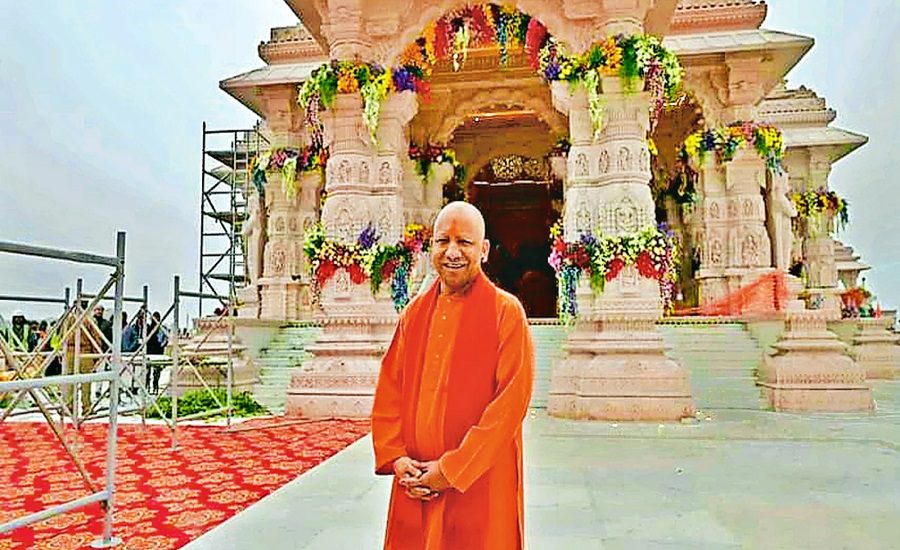
Lucknow: Ayodhya, long known for its deep religious significance, has emerged as a model of heritage-led urban development, combining faith, culture, and economic growth to create a city that is both spiritually vibrant and future-ready. Two years after the consecration of Ram Lalla at Shri Ram Janmabhoomi, the city has become a beacon of progress, demonstrating how religious heritage can drive modern development.
Surging Tourism and Economic Activity
Since the consecration, Ayodhya has experienced an unprecedented rise in domestic and international tourism, with over 23 crore visitors recorded between January and June this year alone. This surge has fueled economic activity, creating employment opportunities for local youth and generating new income avenues for residents.
With projects worth nearly ₹85,000 crore underway, Ayodhya is rapidly transforming into a world-class city. Modern infrastructure, including the Maharishi Valmiki International Airport, upgraded road networks, a new railway station, and landmark corridors like Ram Path, Bhakti Path, and Janmabhoomi Path, has redefined the city as both a pilgrimage and tourism hub.
Focus on Youth Employment and Entrepreneurship
The city’s transformation is not just physical but also economic. Expanding tourism, hospitality, aviation, transport, event management, and service sectors have created thousands of employment opportunities, particularly for young people. Local shopkeepers who once earned around ₹1,000 a day are now generating ₹5,000–₹8,000 daily, while youth employed in private companies earn an average monthly salary of ₹40,000.
Entrepreneurship and local business have been actively encouraged. Cultural and heritage tourism has been promoted, and homestay programs are providing both accommodation for tourists and additional income for villagers. Currently, 1,136 homestays are registered, with 50 operational in villages such as Amauni, Sherwaghat, Abanpur Saroha, Gauraghat, and Rampurwa. International-standard hotels are also catering to foreign tourists with world-class facilities.
Strategic Vision and Leadership
The transformation of Ayodhya is being driven by the vision and decisive leadership of Chief Minister Yogi Adityanath, who has ensured that the city develops while retaining its spiritual and cultural heritage. Measures have been taken to maintain safe, orderly, and dignified darshan experiences, while simultaneously promoting infrastructure, tourism, and sustainable economic growth.
Ayodhya’s success story demonstrates that heritage preservation and development are complementary, not contradictory. By leveraging the city’s religious and cultural identity, the government has created a model for faith-driven economic growth, benefiting local communities, generating employment, and strengthening India’s tourism landscape.
Ayodhya: A Model for the Future
Today, Ayodhya stands at the intersection of history and modernity, reflecting a new paradigm of urban development where faith, heritage, and progress coexist. As the city continues to evolve, it sends a clear message: when leadership is visionary, development rooted in cultural heritage can uplift communities, generate employment, and strengthen the nation’s identity.
Under Chief Minister Yogi Adityanath’s leadership, Ayodhya has become not just a spiritual landmark but a cornerstone of India’s future, blending devotion with development to create opportunities for all.