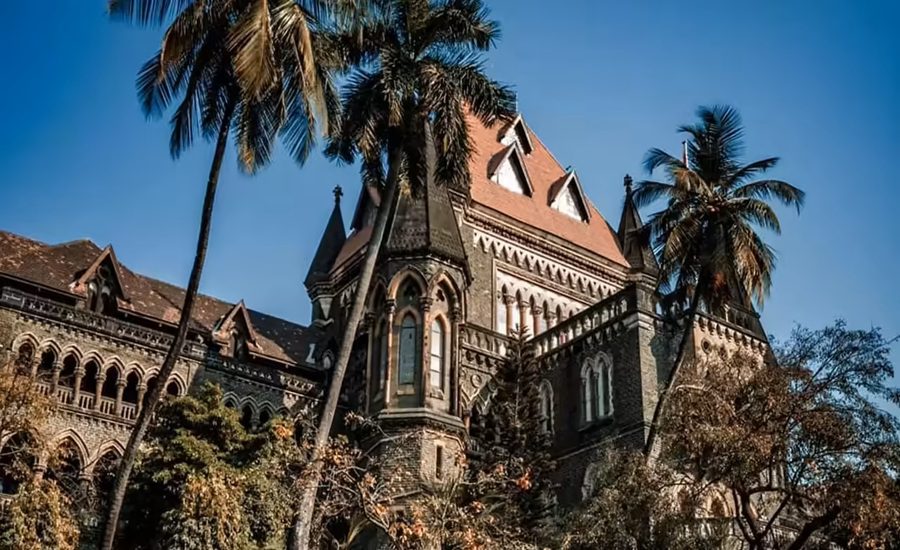
Mumbai: The Bombay High Court has taken a stern stance on rising air pollution in the Mumbai Metropolitan Region, warning that it may halt the salaries of the Brihanmumbai Municipal Corporation (BMC) and Navi Mumbai Municipal Corporation (NMMC) commissioners for failing to take effective action to control deteriorating air quality.
The warning comes amid mounting public concern over polluted air and persistent non-compliance with court directives aimed at reducing harmful emissions.
Details of the High Court Directions on Bombay Air Pollution Crisis
A division bench of Chief Justice Shree Chandrashekhar and Justice Suman Shyam expressed deep dissatisfaction with how both the BMC and NMMC have responded to repeated instructions to tackle air pollution.
Read also: The IAS Officer Striving to Take Mumbai Metropolitan Region to a Trillion Dollar Economy
The court described the authorities’ responses as a “belligerent disregard” of its earlier orders and cautioned that if compliance continues to lag, coercive action including withholding salaries could follow.
The warning specifically targeted the commissioner of Navi Mumbai Municipal Corporation (NMMC) for failing to file a personal affidavit in court, instead submitting a report through a deputy, which the court found unsatisfactory. The bench proposed an order preventing him from drawing his salary until further orders.
Officials Breathe the Same Polluted Air
During the hearing, the court reminded municipal authorities that they “are not living in some alien world” and are equally affected by the deteriorating Air Quality Index (AQI) in the region.
It insisted that civic bodies cannot delay or ignore pollution control measures simply because action only follows judicial intervention.
The bench emphasised that effective environmental governance is not the court’s job, but the statutory duty of civic authorities — and that compliance should be proactive, not reactive.
Officials Reasoning in Bombay Air Pollution Crisis
Officials informed the court that stop-work notices had been issued to numerous construction projects failing to install mandated air quality monitoring sensors. However, the court observed many actions were taken only after it directed such measures, rather than through proactive enforcement.
The High Court noted affidavits lacked ward-wise data, making it difficult to independently verify progress. It directed the BMC to submit detailed daily sensor readings from key monitoring sites spanning a period of months to allow the court to assess real progress.
Court May Consider Fines, Further Coercive Measures
In addition to salary suspension, judges suggested civic bodies consider imposing exemplary fines — potentially in the range of Rs 5 lakh to Rs 5 crore — on entities violating dust control and air pollution regulations, sending a message that non-compliance will carry financial consequences.
The next hearing in the case is scheduled for January 27, 2026, when the court may decide whether to formally issue orders to halt salaries or take other punitive actions.
Bombay Air Pollution Crisis: A Persistent Public Health Concern
Mumbai and its neighbouring regions have seen persistent air quality challenges, particularly during winter months when particulate matter tends to spike.
Poor AQI has been linked to increased respiratory illnesses and broader public health impacts, raising pressure on authorities to act decisively. Although municipal corporations have taken steps like issuing compliance notices and deploying monitoring equipment, the court’s critique suggests that the efforts have been inconsistent and insufficient relative to the scale of the crisis.
Read also: Explained: Why Did the Bombay High Court Order a Fast-Track NDPS Trial Against a Yemeni National