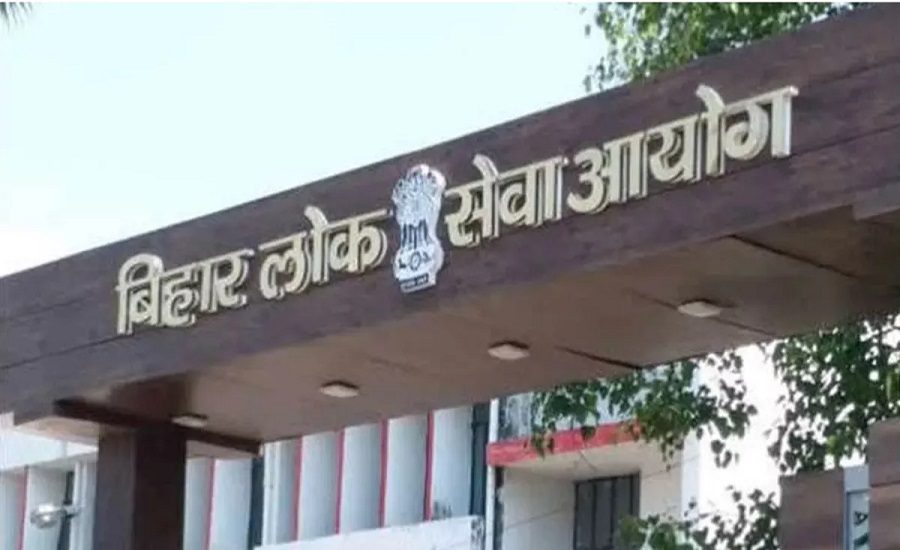
In a significant step towards strengthening the quality and credibility of civil services recruitment, the Bihar Public Service Commission (BPSC) has started including serving IAS and IPS officers in its interview panels.
The change has been introduced during the interview stage of the 70th Combined Competitive Examination (CCE), which began in January and is expected to conclude later this month. The 71st CCE Mains examination is scheduled for later in April, while the 72nd CCE Preliminary examination is expected in July.
Move Aims to Match UPSC Standards
Traditionally, BPSC interview panels have consisted of commission members, retired officials, and subject experts. With the latest change, active senior bureaucrats are also becoming part of the selection process.
According to officials, the move is intended to make the interview process more practical and aligned with the standards followed by the Union Public Service Commission (UPSC).
Serving IAS and IPS officers are considered better placed to assess qualities such as administrative judgement, crisis management skills, leadership ability, and decision-making under pressure.
Officials believe that their presence will help identify candidates who are better prepared for the realities of governance and law enforcement.
Focus on Professional Neutrality and Modern Skills
Sources said the inclusion of senior officers may also reduce concerns around local influence in the recruitment process.
Apart from subject knowledge, candidates are now expected to demonstrate qualities such as empathy, digital awareness, ethical thinking, and an understanding of Bihar’s social and economic challenges.
The new interview panels continue to include academicians and subject specialists, but now alongside serving officers who bring practical field experience.
Officials feel that this combination can offer a more balanced evaluation of candidates, especially for positions such as Deputy Superintendent of Police (DSP) and other state administrative roles.
Series of Reforms Introduced Since 2023
The inclusion of IAS and IPS officers is part of a broader set of reforms introduced by BPSC between 2023 and 2026.
Among the major changes is the introduction of an Integrated Preliminary Examination to speed up the recruitment cycle. Negative marking has also been introduced in the prelims to discourage random guessing.
At the Mains stage, BPSC has increased the emphasis on analytical thinking by introducing a 300-mark essay paper.
The optional subject paper has also been changed. It is now objective in nature and qualifying only, meaning its marks are no longer included in the final merit list. This decision was taken to address long-standing concerns over variation in scoring across different optional subjects.
Annual Calendar and Revised Exam Pattern
BPSC officials said the commission is now following a stricter annual examination calendar, similar to the UPSC model.
The revised pattern reflects a shift away from rote learning and towards a more holistic assessment of a candidate’s suitability for public service.
Under the current structure, candidates first clear a 150-mark preliminary examination. Those who qualify then appear for the Mains, which carries 900 marks across General Studies-I, General Studies-II, and Essay papers of 300 marks each.
Candidates also have to take a 100-mark optional paper, which is qualifying in nature, and a 120-mark personality test or interview.
Meanwhile, BPSC has already declared the results of the 69th Combined Competitive Examination.