New Delhi: The Border Security Force (BSF) has announced the imminent launch of “Operation Sard Hawa”, a specialised winter security drive along India-Pakistan’s border sectors in Jammu, Kashmir and Rajasthan, aimed at fortifying national frontiers as the country approaches Republic Day 2026.
Initiated in response to seasonal vulnerabilities posed by dense winter fog, the operation seeks to significantly strengthen surveillance, patrol, and defensive capabilities to thwart potential infiltration, smuggling, or other illicit cross-border activities.
What Is Operation Sard Hawa?
Operation Sard Hawa—translated as “Cold Wind”—is an established annual winter security exercise undertaken by the BSF along the India-Pakistan International Boundary (IB) and the Line of Control (LoC).
The drive is specifically conducted during the peak winter months when dense fog and limited visibility offer cover for possible infiltration or weapon smuggling attempts.
Traditionally timed between late December and late January, the operation reinforces border defences at critical sectors including:
- Kashmir Frontier
- Jammu Sector
- Rajasthan Desert Frontier (Thar Desert)
By deploying additional personnel and using advanced monitoring equipment, the BSF aims to close gaps exploited by adversarial elements during harsh winter conditions.
What is the Importance of Operation Sard Hawa
Republic Day remains one of India’s most symbolic and strategically sensitive national events, marked by elite military parades and heightened patriotic sentiment, making security preparedness paramount.
Officials have reported that due to severe winter mists on the border, infiltrators may attempt to exploit the reduced visibility to penetrate Indian territory or engage in other unlawful activity. Operation Sard Hawa is therefore being scheduled with precise timing to cover this crucial period leading up to January 26.
The operation’s deployment timeline is expected to run well into late January, ensuring comprehensive coverage of potential threat windows before Republic Day celebrations.
Modern Surveillance and Enhanced Patrols
To reinforce border security, the BSF is reportedly integrating several advanced technological and physical measures, including:
1. High-Tech Monitoring Systems
Here are the following monitoring technology will be used;
- Radar-based sensors
- Thermal imaging tools
- Other electronic surveillance equipment
These technologies will help detect suspicious activity even in low-visibility conditions caused by dense fog.
2. Drone-Assisted Reconnaissance
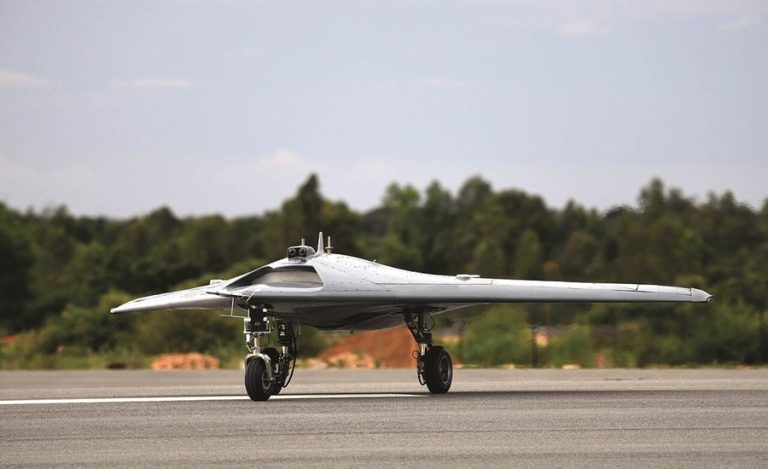
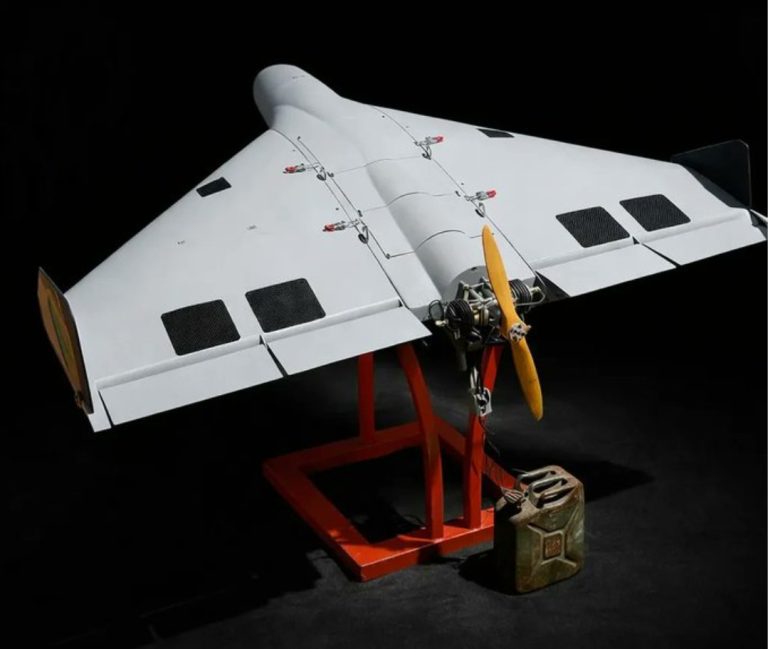
Drone units are being deployed more extensively than in prior iterations, enhancing aerial surveillance along inaccessible stretches of border terrain.
3. Increased Pantrolling
BSF units will intensify both foot and motorised patrols, including traditional camel battalions in the remote Thar Desert sectors, ensuring 24/7 vigilance across challenging landscapes.
4. Intelligence Coordination
BSF’s intelligence apparatus is collaborating closely with national and regional intelligence agencies, analysing patterns of movement, and tracking suspicious cross-border activity in real time.
These steps, officials say, are crucial to maintaining preventive readiness and operational awareness along the border.
Female Personnel Deployment: Durga Wahini and Combat Roles
In a notable development, sources indicate that the BSF’s specialised all-female combat unit — Durga Wahini — will also be deployed as part of Operation Sard Hawa, reflecting an evolving role for women in frontline border security responsibilities.
Their involvement underscores the BSF’s expanding operational strategy that emphasises the inclusion of women personnel in surveillance and rapid-response units.