New Delhi: The Centre for Development of Telematics (C-DOT), under the Department of Telecommunications, has signed a Memorandum of Understanding (MoU) with Delhi Police to strengthen technology-driven policing and enhance public safety in the national capital.
The collaboration marks a significant push towards building an indigenous, secure, and future-ready law enforcement ecosystem aligned with the vision of Atmanirbhar Bharat.
Also read: CM Pushkar Singh Dhami Meets PM Modi, Seeks RRTS Extension and Delhi–Haldwani Expressway for Uttarakhand
Focus on Indigenous and Technology-Driven Policing
The partnership aims to leverage C-DOT’s portfolio of homegrown technologies to improve operational efficiency, secure communications, surveillance, cybersecurity, and emergency response systems within Delhi Police.
Officials said the initiative will enable seamless coordination across units and significantly upgrade policing capabilities through advanced digital tools.
Deployment of Advanced Facial Recognition and Communication Systems
Among the key technologies to be deployed is a Facial Recognition System (FRS)/FraudPro, which will help identify suspects, missing persons, and repeat offenders by matching photographs with existing databases.
C-DOT’s unified communication platform, SAMVAD, will facilitate secure messaging, audio-video calls, and data sharing across departments, ensuring better coordination during routine duties and emergencies.
Additionally, SAMVAD Prime, a specialised secure messaging system, will be used by senior officers for confidential communications during critical operations.
Secure Conferencing and Mission-Critical Communication
C-DOT Meet, a web-based secure video conferencing solution, will support inter-departmental meetings, briefings, and training sessions with features like multi-camera access and collaborative tools.
The Mission Critical Services (MCX) platform will enable low-latency, secure communication tailored for emergency and public safety scenarios, ensuring real-time coordination during large-scale events and disaster response.
Smart Attendance and Public Alert Systems
An Intelligent Attendance System powered by facial recognition will be introduced to streamline administrative processes, prevent proxy attendance, and strengthen access control at sensitive installations.
The Cell Broadcast Solution will allow geo-targeted alerts to be sent to mobile devices and public systems, supporting emergency warnings, traffic updates, and public advisories.
AI-Powered Cybersecurity and Quantum Solutions
On the cybersecurity front, C-DOT will deploy advanced systems like Trinetra ESOC for monitoring endpoints, detecting vulnerabilities, and safeguarding IT infrastructure.
Trinetra 360 will further enhance cyber intelligence, digital risk management, and attack surface monitoring using AI-driven tools.
The collaboration also includes cutting-edge quantum-based security technologies such as Quantum Key Distribution (QKD), Compact Encryption Module (CEM), and Quantum Secure Smart Video Phone (QSSVIP), ensuring future-ready, highly secure communication systems.
Leadership Highlights Vision for Smart Policing
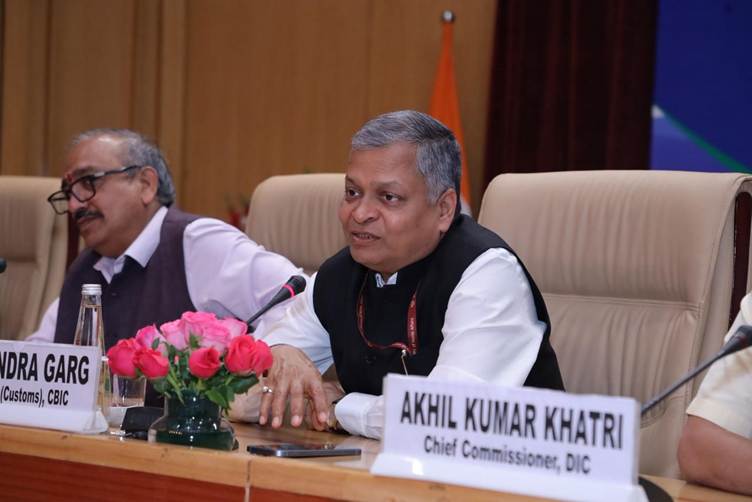
Speaking on the occasion, Rajkumar Upadhyay said the partnership reflects C-DOT’s commitment to translating indigenous innovation into real-world impact.
He emphasised that deploying advanced solutions across AI-driven surveillance, cybersecurity, and quantum communication will help build a safer and more resilient ecosystem in Delhi.
MoU Ceremony and Future Outlook
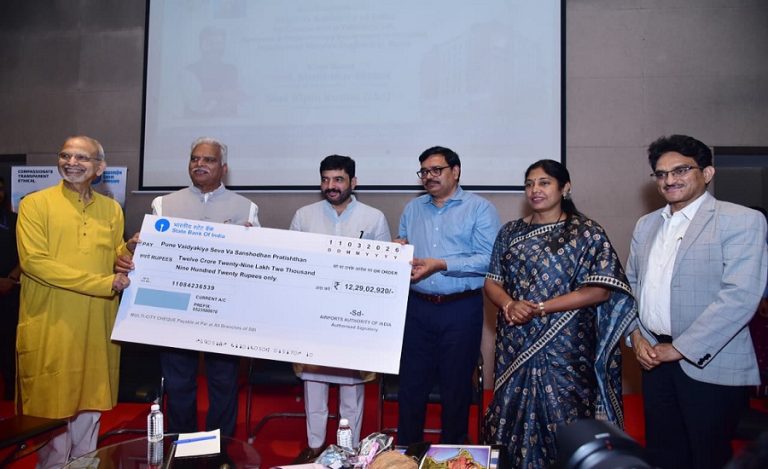
The MoU signing ceremony was attended by Satish Golchha and Dr Upadhyay, along with senior officials from both organisations.
Both sides reaffirmed their commitment to developing a robust, technology-driven policing model, noting that this collaboration could serve as a blueprint for law enforcement agencies across India.
Also read: Who Is Naba Kumar Pal? IFS Officer Appointed India’s Next Ambassador to Chad