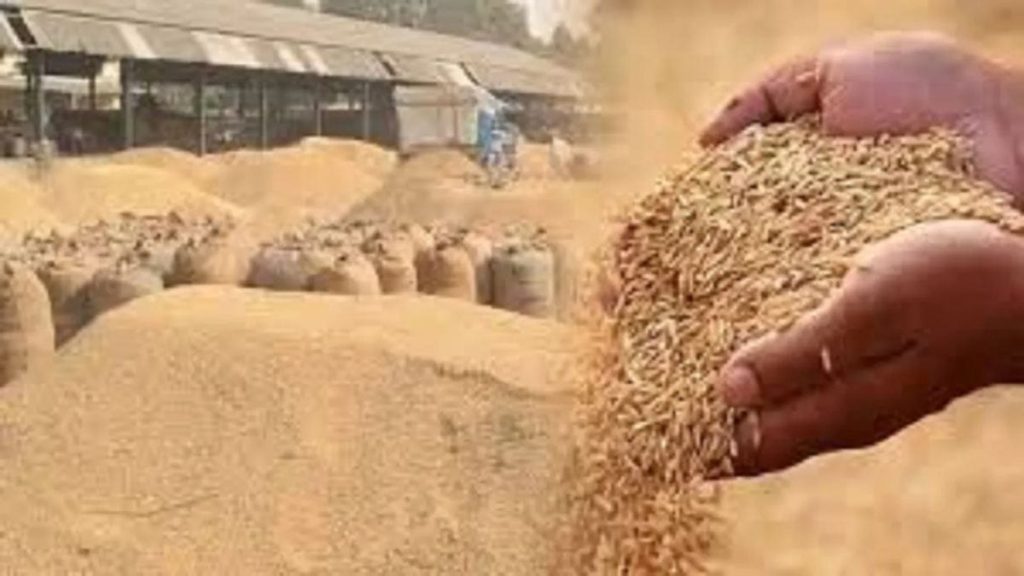
Raipur: The paddy procurement drive in Chhattisgarh during the Kharif Marketing Season 2025–26 has set a historic benchmark, both in terms of quantity procured and payments made to farmers. Under the leadership of Chief Minister Vishnu Deo Sai, the state has achieved its highest-ever paddy procurement and farmer payment figures recorded by January 13 in any year so far.
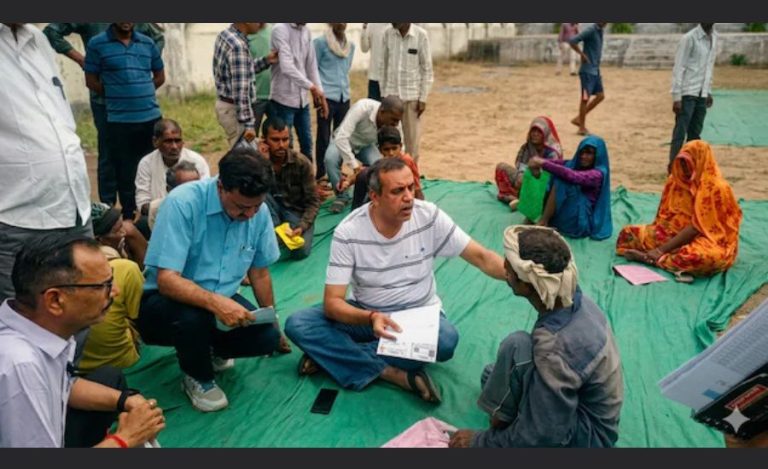
As of January 13, 2026, the state government has procured 105.14 lakh metric tonnes (LMT) of paddy from 17,77,419 farmers, transferring a record ₹23,448 crore directly into their bank accounts.
Highest Procurement and Payments Recorded So Far
The figures achieved this year mark an all-time high compared to previous Kharif marketing seasons for the same period.
2020–21:
- Paddy procured: 72.15 LMT
- Farmers benefited: 17,49,003
- Amount paid: ₹13,550 crore
2021–22:
- Paddy procured: 68.77 LMT
- Farmers benefited: 17,09,834
- Amount paid: ₹13,410 crore
2022–23:
- Paddy procured: 97.67 LMT
- Farmers benefited: 22,14,302
- Amount paid: ₹20,022 crore
2025–26 (as of Jan 13):
- Paddy procured: 105.14 LMT
- Farmers benefited: 17,77,419
- Amount paid: ₹23,448 crore
The data clearly shows that both procurement volume and payment amounts have surpassed all previous records, highlighting the scale and efficiency of the current procurement system.
Transparent System Strengthens Farmers’ Trust
Officials say this unprecedented growth reflects the state government’s transparent procurement process, timely payments, and farmer-centric policies. Farmers are receiving fair prices at the Minimum Support Price (MSP) without delay, strengthening their economic stability and boosting the rural economy.
The government has reiterated its commitment to procure every grain from every eligible farmer and ensure direct, timely payments, enabling farmers to become more prosperous, self-reliant, and secure.
Strict Action Against Irregularities and Drying Losses
The state government has also enforced zero tolerance against corruption, negligence, and irregularities in paddy procurement and storage.
During the Kharif Marketing Year 2024–25, strict actions were taken based on the extent of shortages:
Shortage between 0.5% and 1%:
- Show-cause notices issued to in-charge officers
Shortage between 1% and 2%:
- Departmental inquiries initiated
Shortage above 2%:
- In-charge officers suspended
- Departmental inquiries launched
- FIRs registered where criminal activity was detected
Accountability Measures Over the Last Two Years
In the past two years alone –
- 33 food inspectors and food officers received show-cause notices for irregularities and negligence
- FIRs registered against in-charges of two procurement centres
- One procurement centre in-charge suspended
Additionally, in line with government instructions related to drying losses during the 2023–24 season, show-cause notices were issued to –
- 6 District Marketing Officers
- 6 procurement centre in-charges
These actions underline the government’s focus on administrative accountability and future prevention of negligence.
Central Pool Target and Disposal Challenges
It is noteworthy that the Government of India had set a target of 78 lakh metric tonnes of rice for the central pool. Against this target:
- Approximately 116 lakh metric tonnes of paddy were procured
- Excess paddy was disposed of through auction
Due to limited storage capacity with the Food Corporation of India (FCI) for rice milling, final disposal of centrally procured paddy took 12 to 15 months, which likely contributed to drying losses at procurement centres.
Currently:
- Lifting of paddy stored under Kharif Marketing Season 2024–25 is ongoing
- Disposal of auctioned paddy is also in progress
A final assessment of total drying losses will be possible only after the complete disposal of all procured paddy.
Procurement Scale Grows Under Current Government
For perspective, in 2018–19, a total of 80.38 lakh metric tonnes of paddy were procured from 25.61 lakh hectares of land. Under the present government, the scope, volume, and direct financial benefits to farmers have expanded to historic levels, marking a significant transformation in agricultural procurement.
No Compromise on Farmers’ Money, Grain, and Trust
The state government has sent a clear message that there will be no compromise when it comes to farmers’ money, grain, or trust. The entire process – from procurement and payment to storage and disposal – is being monitored through transparent systems, strict accountability, and technological surveillance.
The government maintains that these measures are essential to ensure timely payments, prevent losses, and safeguard farmers’ interests.